10 Breathable Baby Shoes for Stinky Feet: Keep Little Toes Fresh
Baby foot odor comes from bacteria breaking down sweat, not the sweat itself. Synthetic materials trap moisture and make it worse, while breathable leather, mesh, and open designs with removable insoles actually keep feet fresh.




Published December 28, 2025
AI Summary


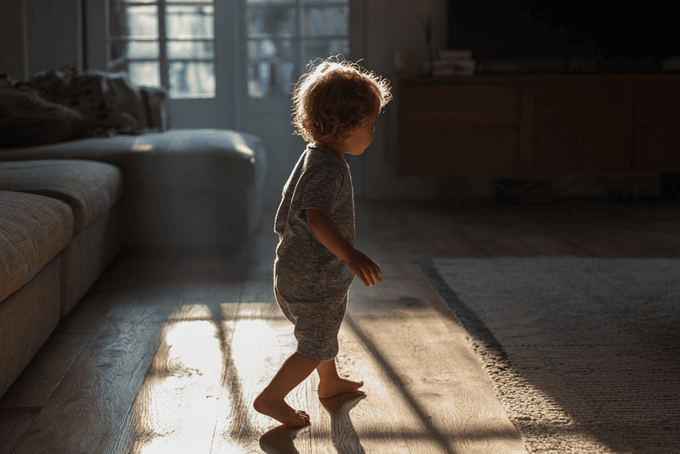
If you take off your baby's shoes after daycare and the smell hits you immediately, you're probably washing their feet daily and changing socks. But still, those little shoes smell terrible by the end of each day.
Baby foot odor isn't about poor hygiene; it's about bacteria thriving in warm, moist environments. Each foot has about 250,000 sweat glands, and when shoes trap that moisture against the skin, bacteria multiply and create that unmistakable stinky smell.
The good news is that the right breathable shoes actually prevent the problem instead of just masking it.
Our Picks for the 10 Best Breathable Baby Shoes
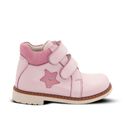
Petit Coralie Boots
Ankle boot with air valves and anti-bacterial insoles.
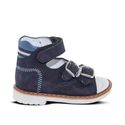
Andy Blue Sandals
Open sandal with nubuck leather and ventilation system.
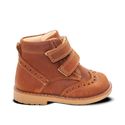
Louis Grim Boots
Calfskin boot with integrated air valves and moisture control.
Show more
Why Baby Feet Get Stinky
This happens when bacteria on your baby's skin break down sweat into smelly compounds. The sweat itself doesn't smell; it's the bacteria's waste products that create that odor [1].
Baby feet have just as many sweat glands as adult feet, concentrated in tiny spaces. When shoes trap that moisture, you've created a warm, humid environment where bacteria thrive. They multiply rapidly and produce those volatile compounds that smell like cheese or vinegar.
When it comes to the best toddler shoes for development, the shoe material matters hugely. Research shows polyester fabrics produce significantly more intense odors than cotton after activity.
Synthetic materials actually absorb more of the oils bacteria feed on, creating worse smells even when they seem dry on the outside [2].
What Makes Baby Shoes Truly Breathable
Natural Materials That Let Feet Breathe
Leather, canvas, and mesh actually let moisture vapor escape instead of trapping it inside. Leather's porous structure wicks moisture away from skin while allowing air circulation, something synthetic PVC or polyester simply can't do.
You should look for genuine leather uppers, mesh panels in the toe box, or canvas construction. Avoid shoes marketed as "easy clean" synthetics as they trap heat and humidity.
Strategic Ventilation Holes That Actually Work
Decorative holes punched in the surface don't help. You need perforations that go completely through the material, positioned where your baby's foot sweats most: the toe box, along the sides, and near the arch.
Holes are placed where foot movement creates a bellows effect, pushing stale air out and drawing fresh air in with each step.
Removable Insoles You Can Actually Dry
Fixed foam insoles absorb sweat all day but can't be taken out for drying. They stay damp, bacteria colonize them, and the smell becomes permanent, no matter how many times you wash your baby's feet.
Removable insoles matter because you can extract the insole nightly for complete air-drying and replace it when odor persists despite cleaning.
Flexible Soles That Promote Airflow
Rigid soles or shoes with hard bottoms restrict natural foot flexion, reducing the pumping action that circulates air inside the shoe. Thin, flexible soles made from natural rubber or TPR with micro-perforations along the sidewall promote better airflow.
Some designs have drainage channels or breathable membranes between the insole and outsole, preventing moisture from pooling at the bottom.
What Makes Stinky Feet Worse in Babies
Synthetic Linings Trap Moisture
Polyester and nylon don't absorb sweat; they let it pool on the skin instead. That trapped moisture creates moist conditions where odor-causing bacteria multiply like crazy.
The worst part is that bacteria actually stick to synthetic fibers better than natural ones, establishing colonies that survive even after the shoe dries and start up again during the next wear.
Fully Enclosed Designs With No Escape Routes
Shoes made from solid synthetic leather, PVC, or rubber create sealed chambers around the feet. Without perforations or mesh, heat and humidity have nowhere to go. Internal temperatures can rise dramatically within minutes.
The result is perfect incubation conditions for the bacteria that create that characteristic "cheesy" foot odor.
Too-Tight Fits That Eliminate Air Gaps
When shoes press firmly against skin, they absorb sweat directly while preventing evaporative cooling. Tight fits also restrict natural foot movement, reducing the bellows effect that pumps air through shoes during walking.
The common mistake parents often make when measuring a baby's shoe size is choosing baby shoes that are too small to prevent slipping, and accidentally creating a sealed environment that maximizes bacterial activity.
10 Best Breathable Shoes for Babies With Stinky Feet
1

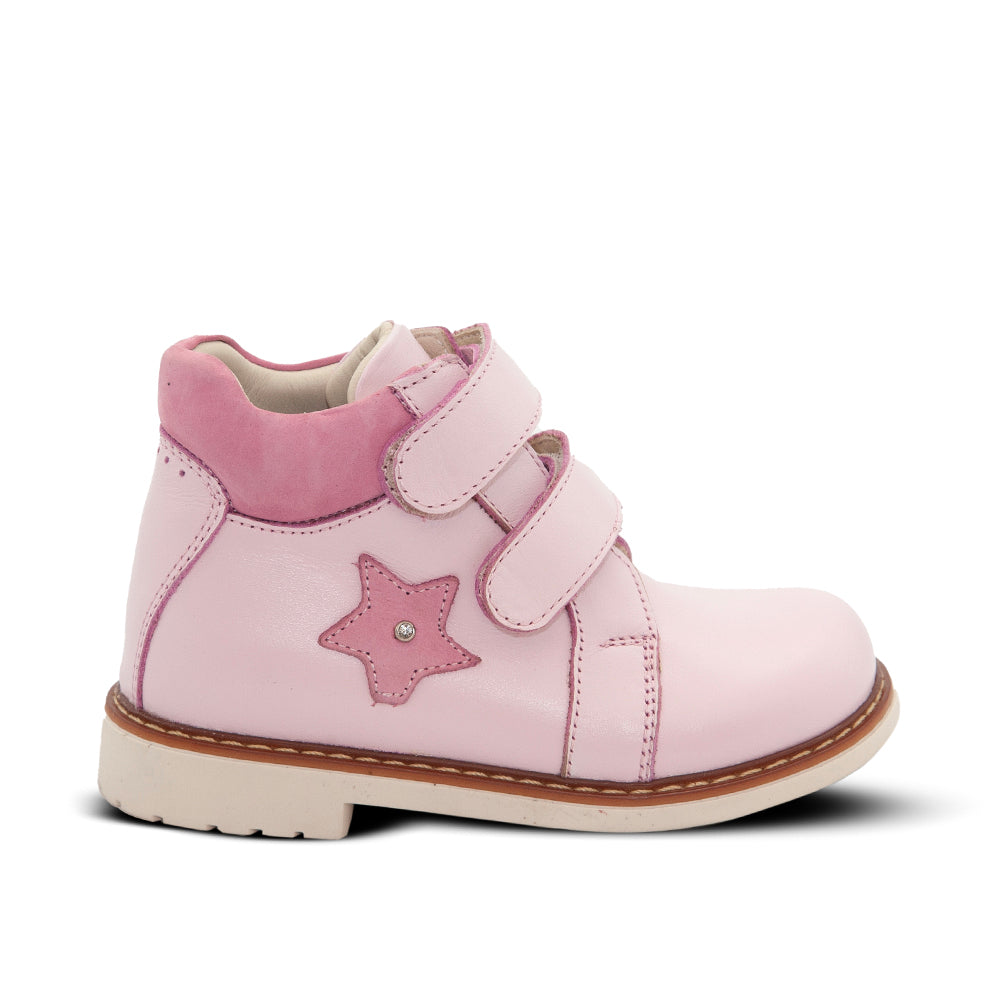
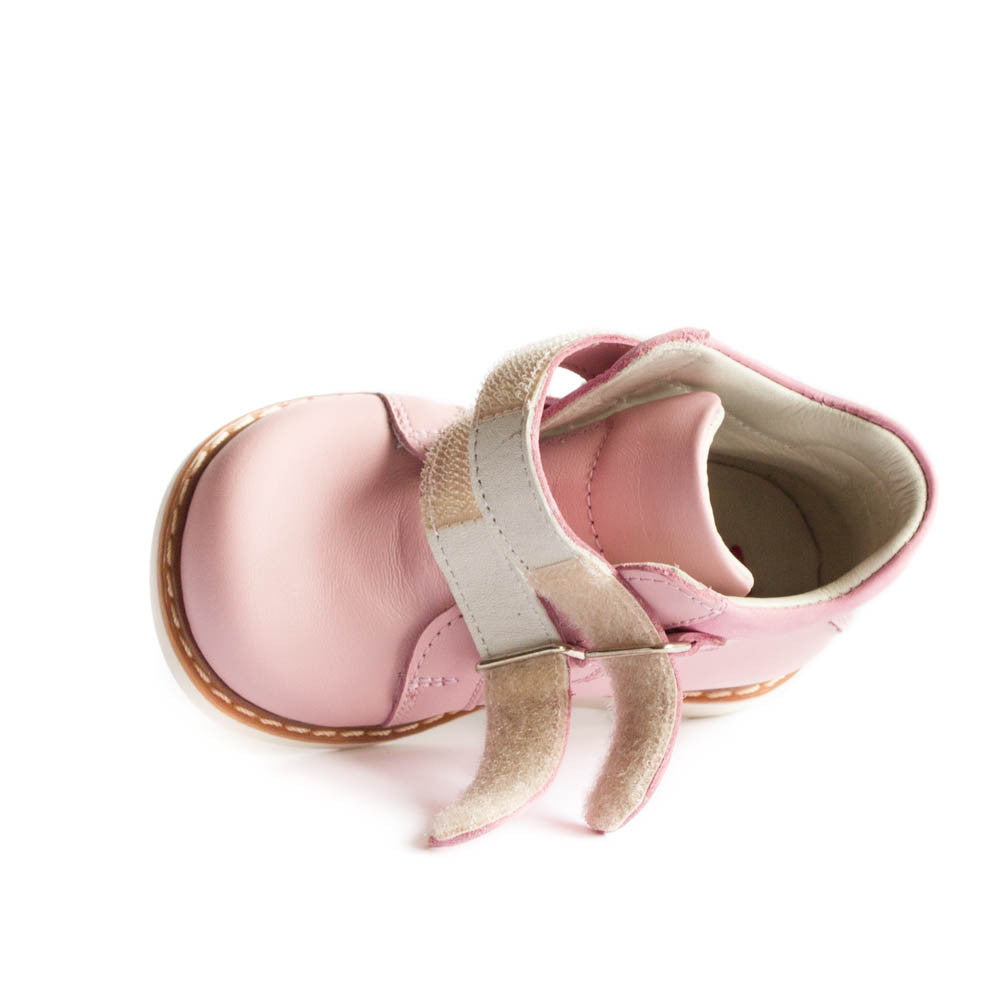
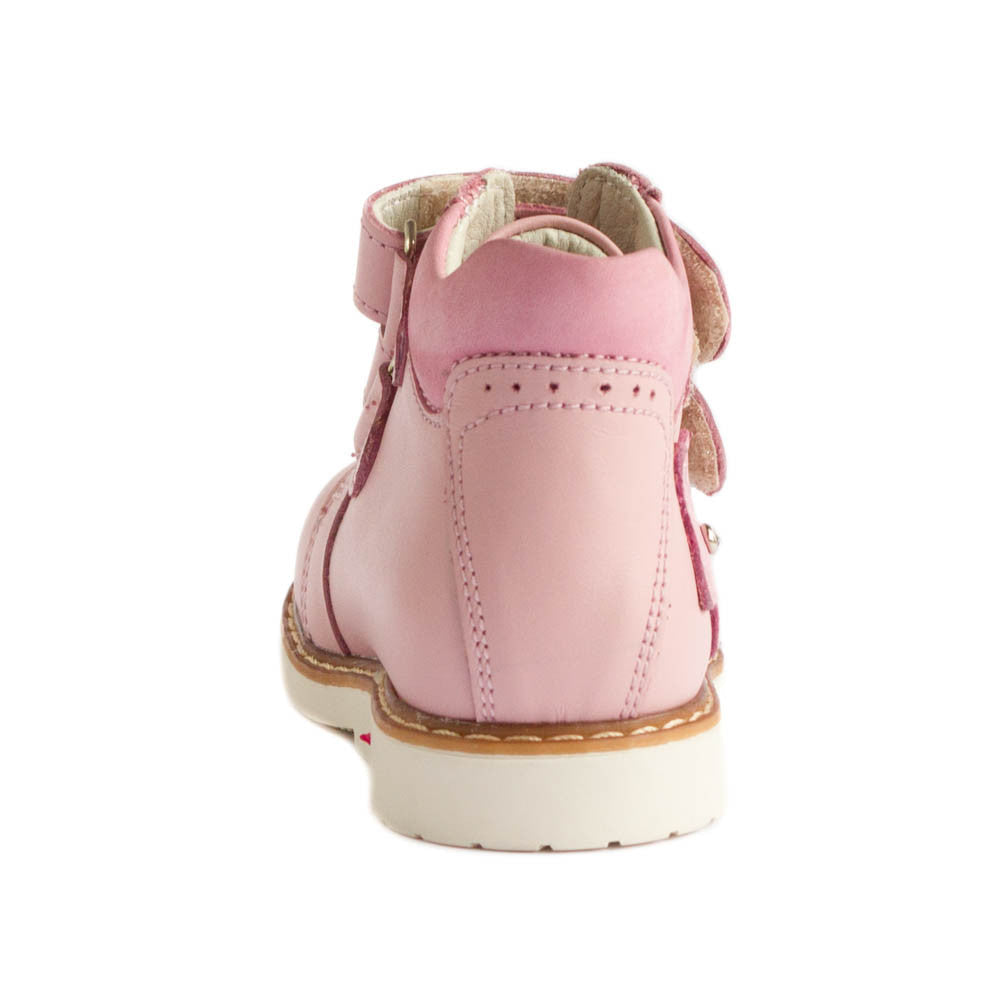
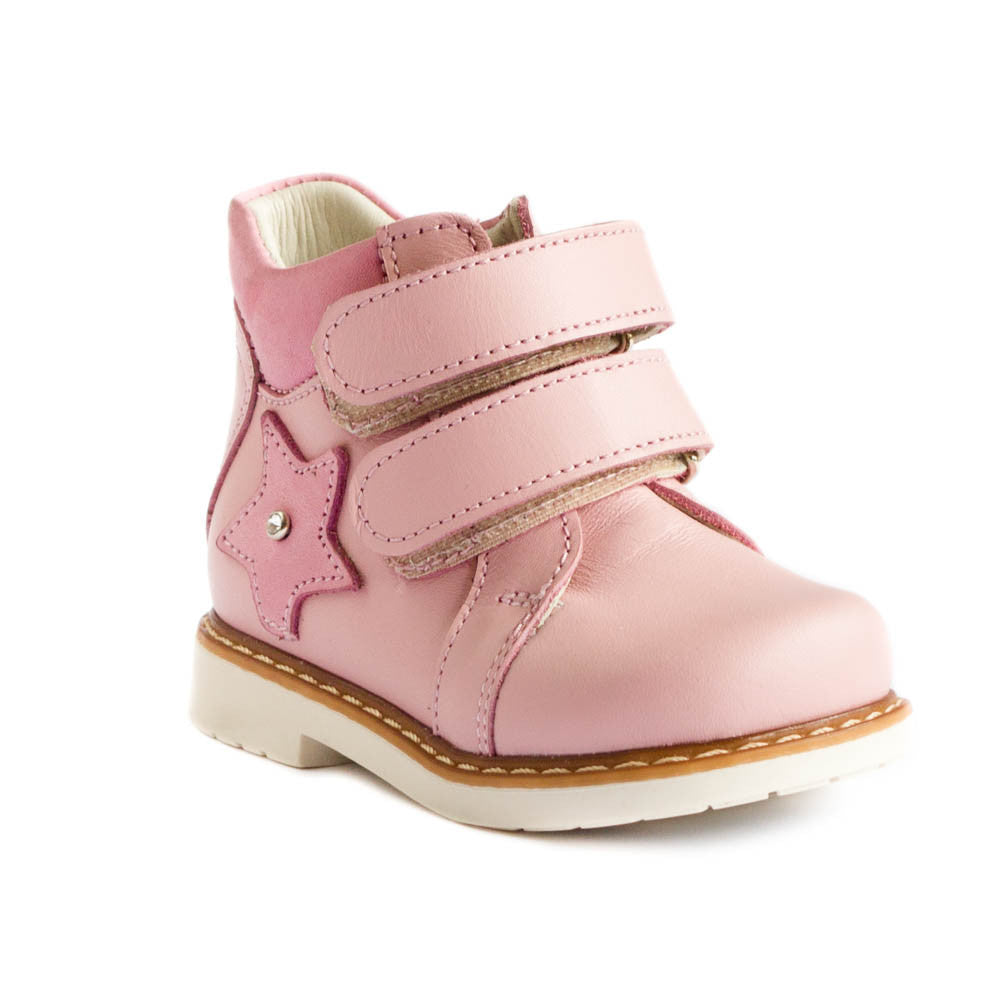
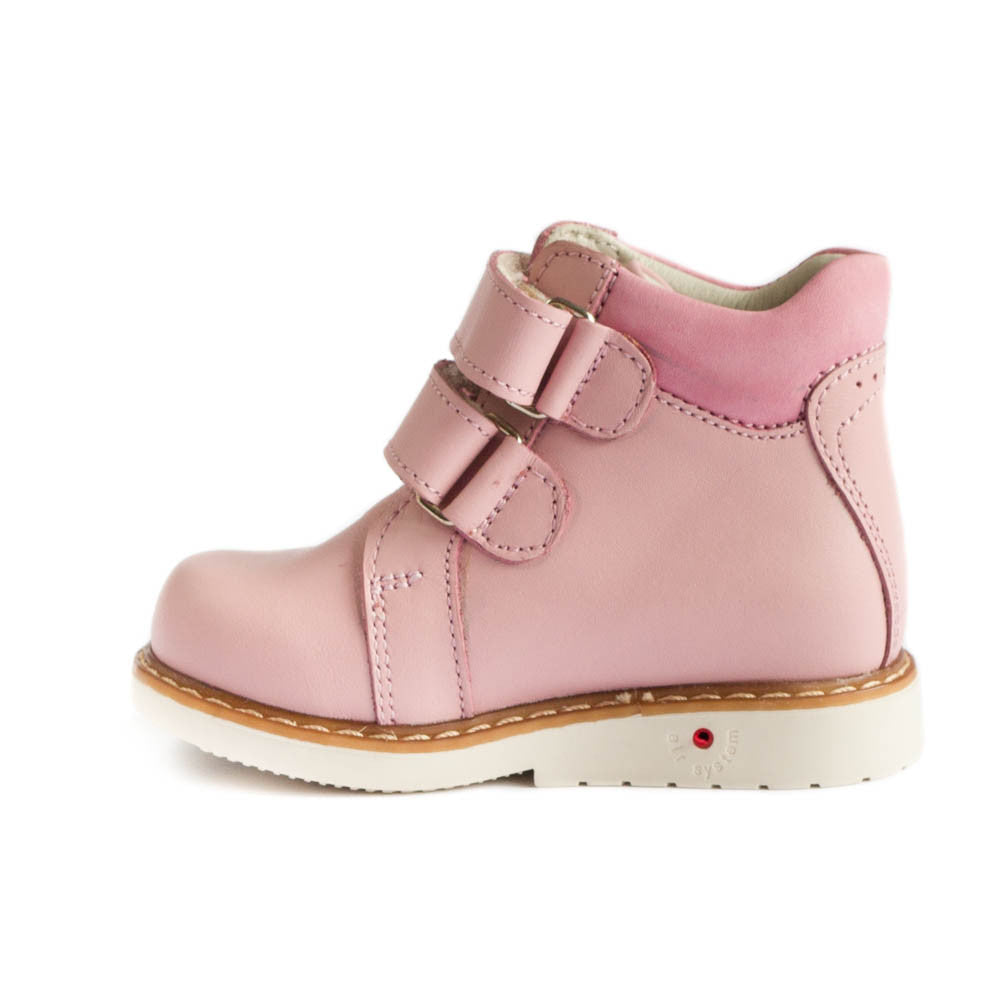
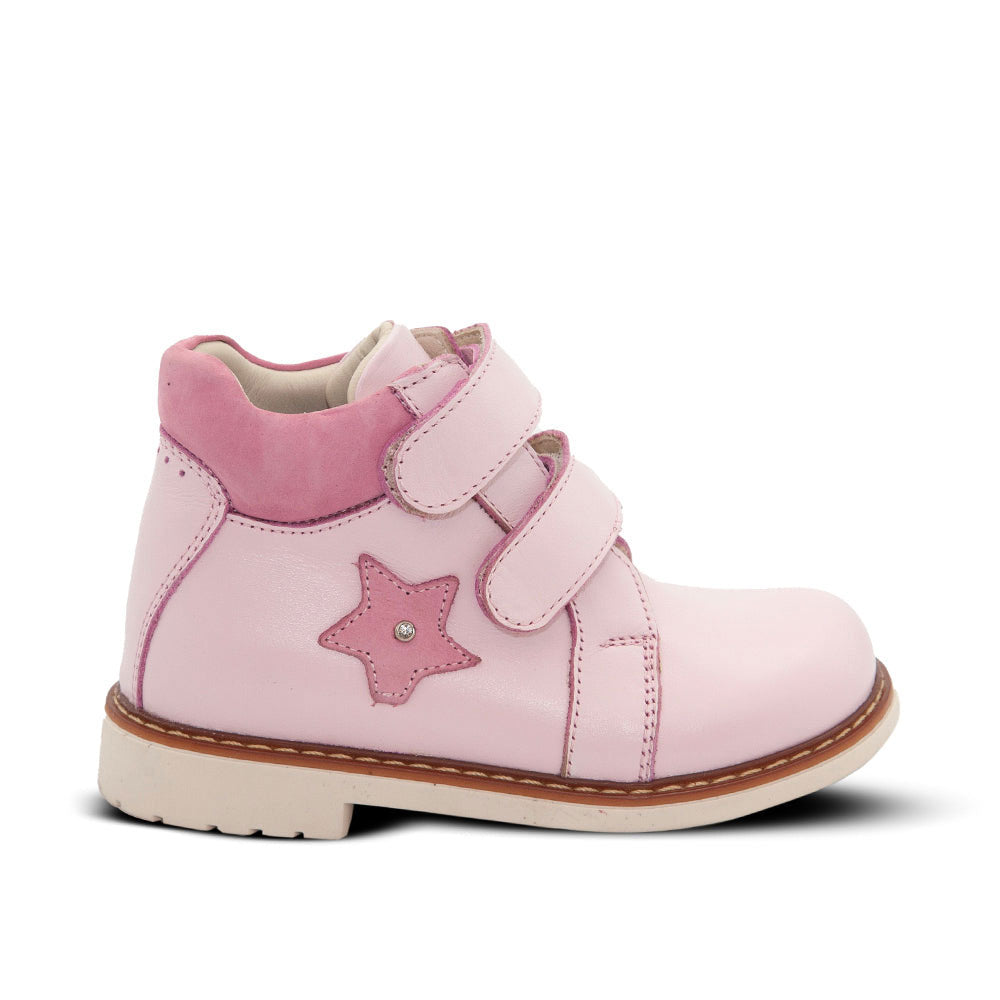
Petit Coralie Boots
All-day moisture management for daycare and beyond.
Type
Boots
Material
Leather
Sizes
18–30 (EU) | 2–11.5 (UK)
Benefits for kids needing breathable shoes
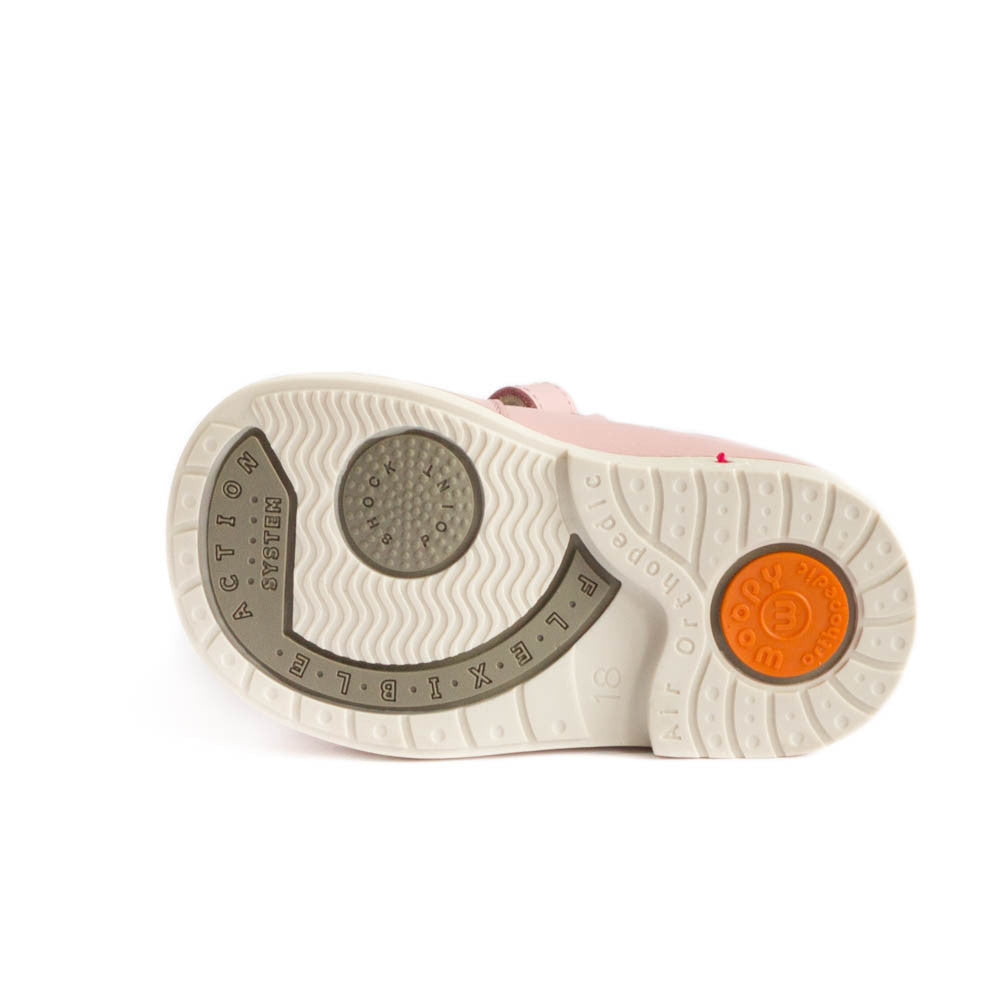
- Built-in air valves actively release moisture during movement
- Anti-bacterial insoles stop bacteria before they create odor
- Genuine leather allows natural vapor transmission
- Prevents a humid microclimate that accelerates smell development
- Extended wear without the stale boot smell
Why they're a top choice
The Petit Coralie tackles odor through multiple layers. The air valves do what most boots don't—actively let moisture escape instead of trapping it inside. Combined with anti-bacterial insoles that target bacteria at the source, this boot stays fresh during 8+ hour daycare sessions.
The genuine leather construction makes a real difference here. Unlike synthetic boots that seal moisture in, leather breathes naturally while resisting the bacterial adhesion that creates persistent odors. Perfect for full-day wear when you can't intervene mid-day to air out shoes.
2
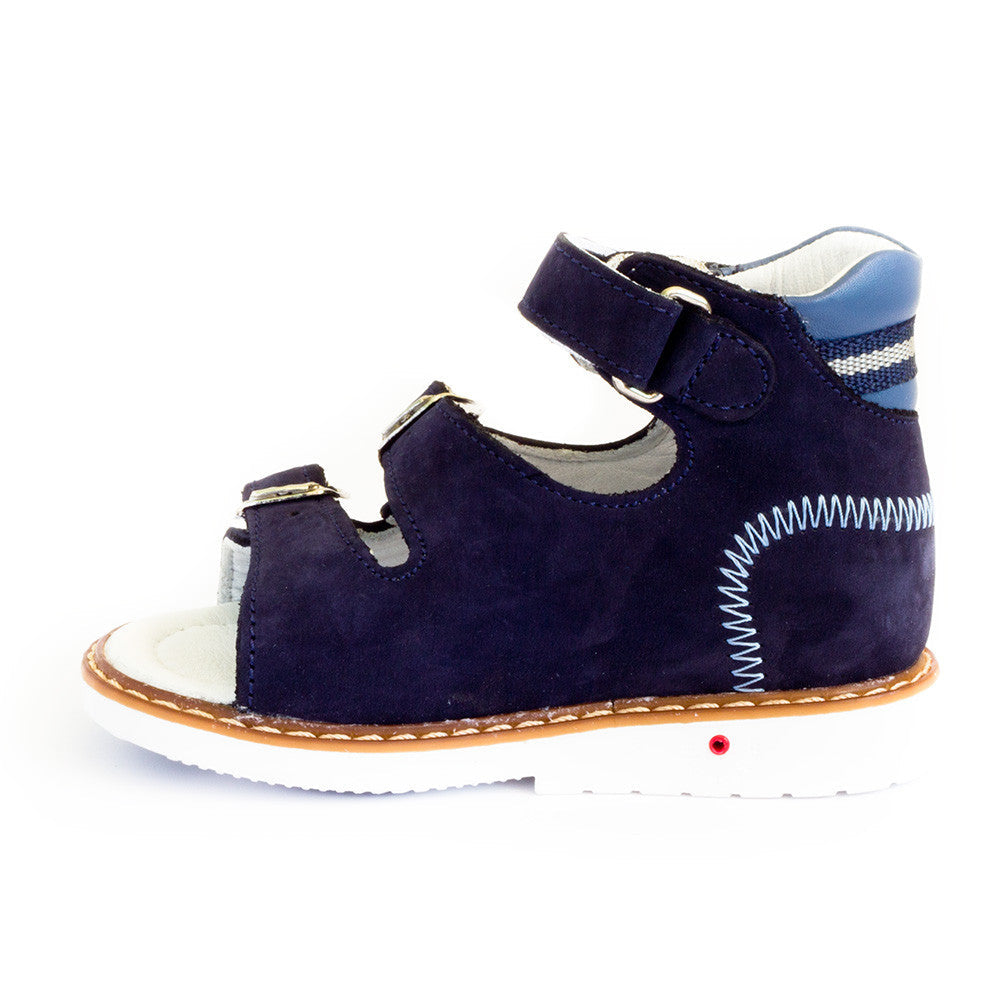
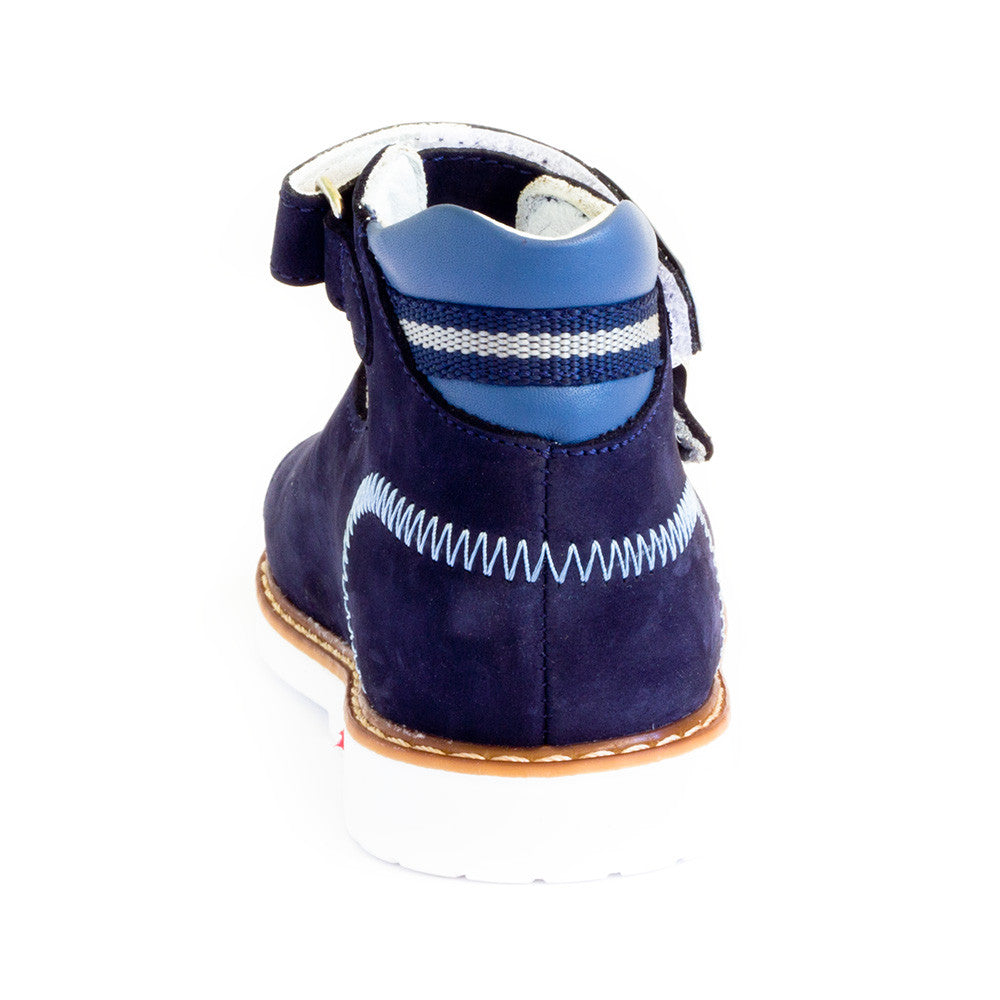
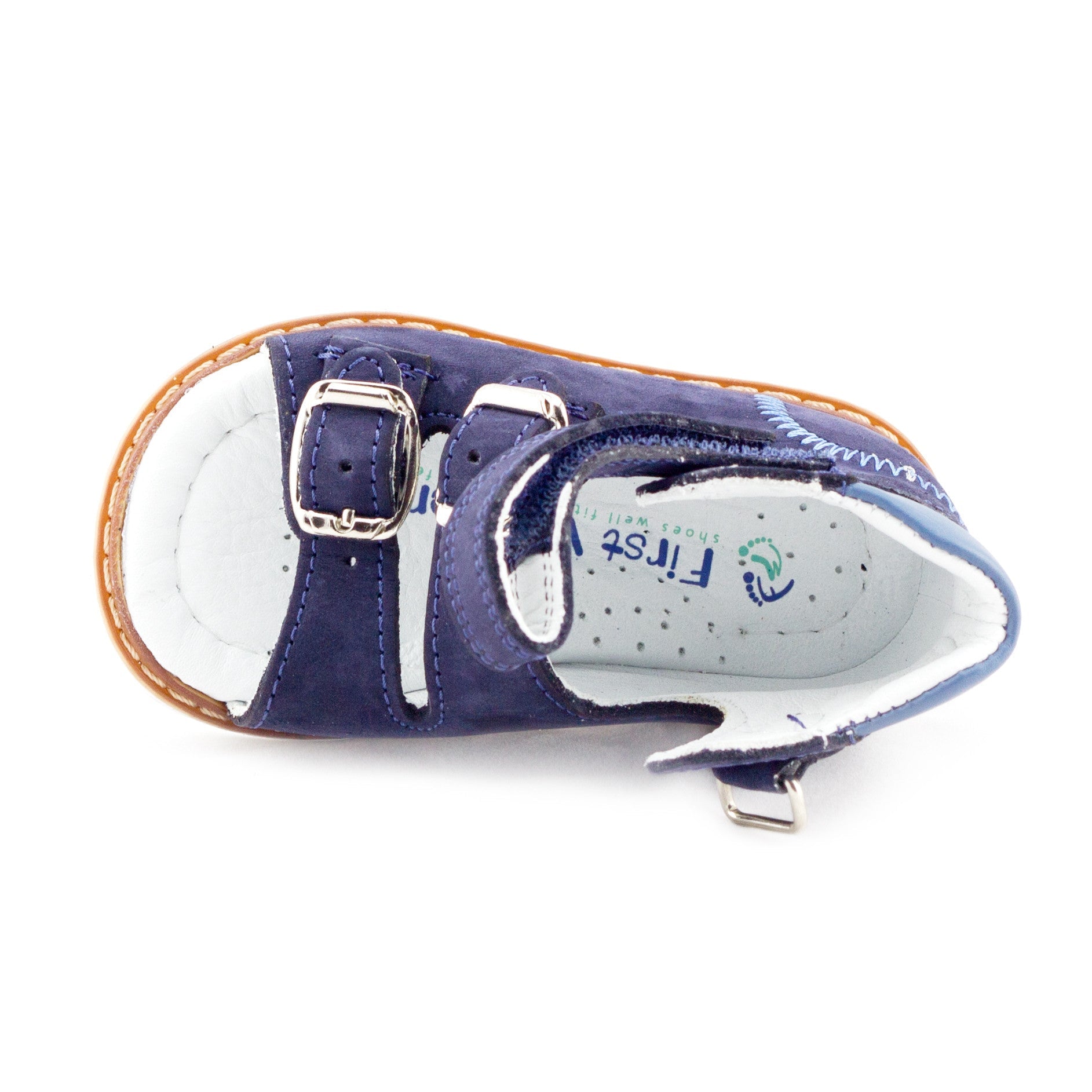
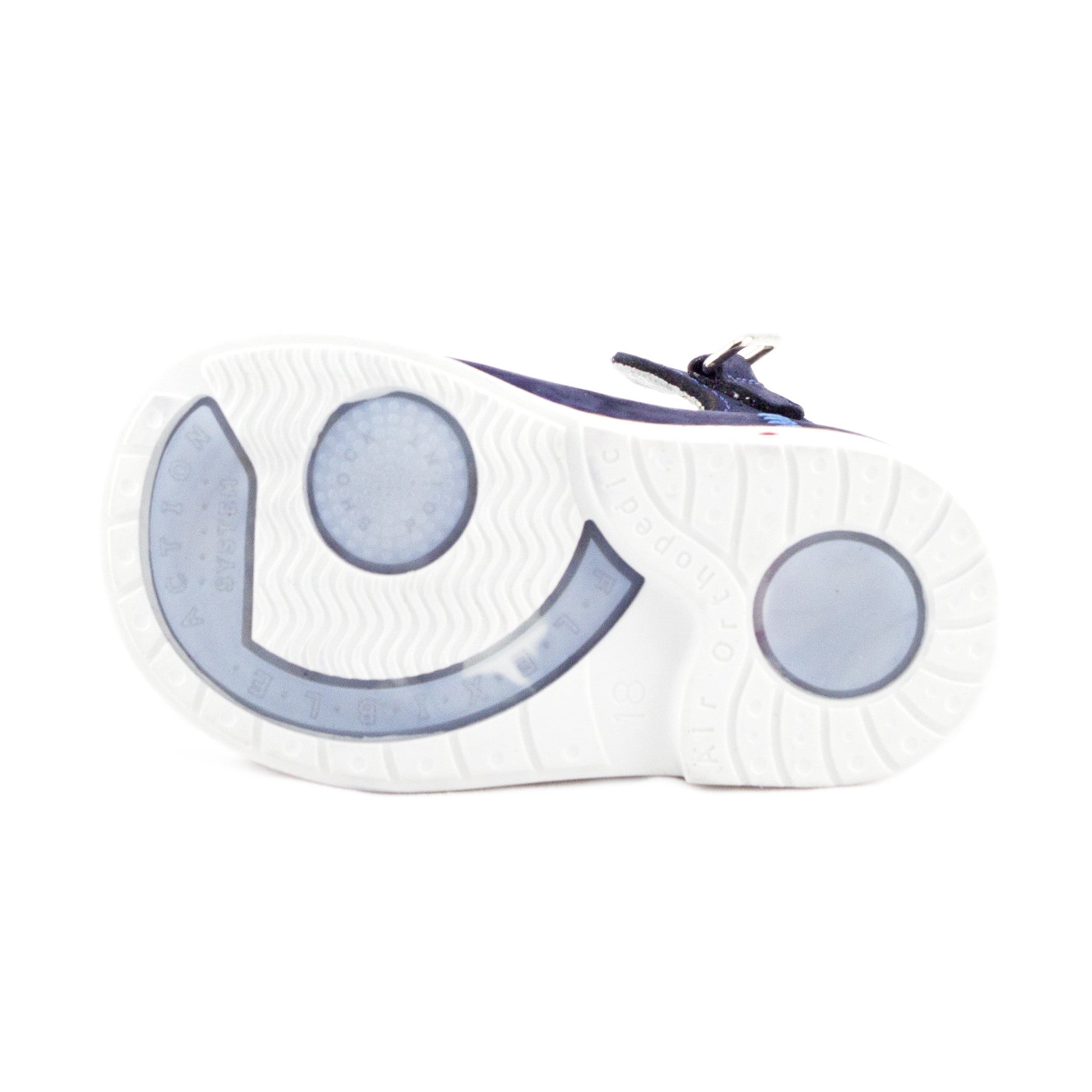
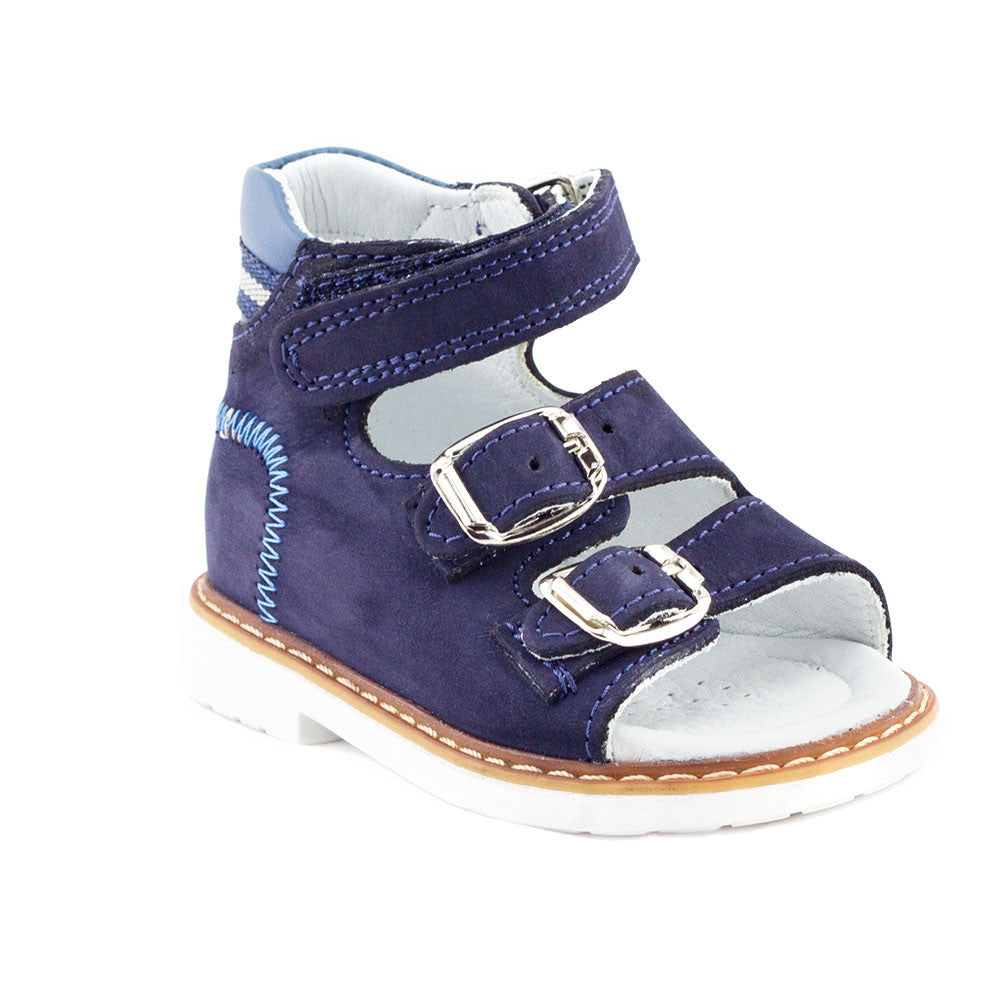
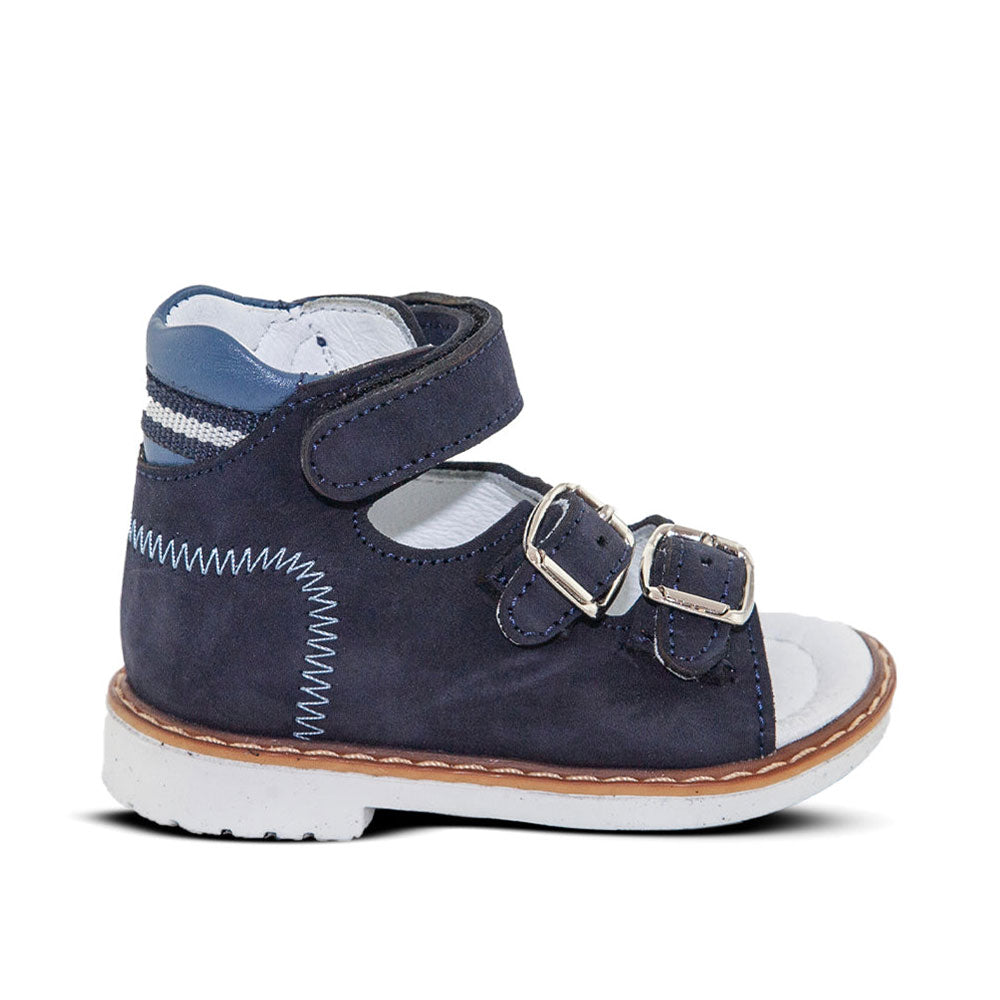
Andy Blue Sandals
Unrestricted airflow for indoor play sessions.
Type
Sandals
Material
Nubuck Leather
Sizes
18–30 (EU) | 2–11.5 (UK)
Benefits for kids needing breathable shoes
- Open sandal design allows direct air circulation across the feet
- Nubuck leather offers superior vapor exchange
- Anti-bacterial insoles capture sweat before it pools
- Air valves in the footbed release trapped humidity
- Keeps feet significantly drier than closed shoes
Why they're a top choice
The Andy Blue's open architecture delivers airflow that closed shoes simply can't match. Ambient air circulates directly across foot surfaces, preventing heat and humidity from building up during active indoor play.
That nubuck leather upper adds breathability without sacrificing structure. The buffed surface permits better vapor exchange than smooth leather, while removable anti-bacterial insoles let you dry them completely between wears. Great for extended indoor play when climate control creates a false sense of dryness, but feet still sweat plenty.
3
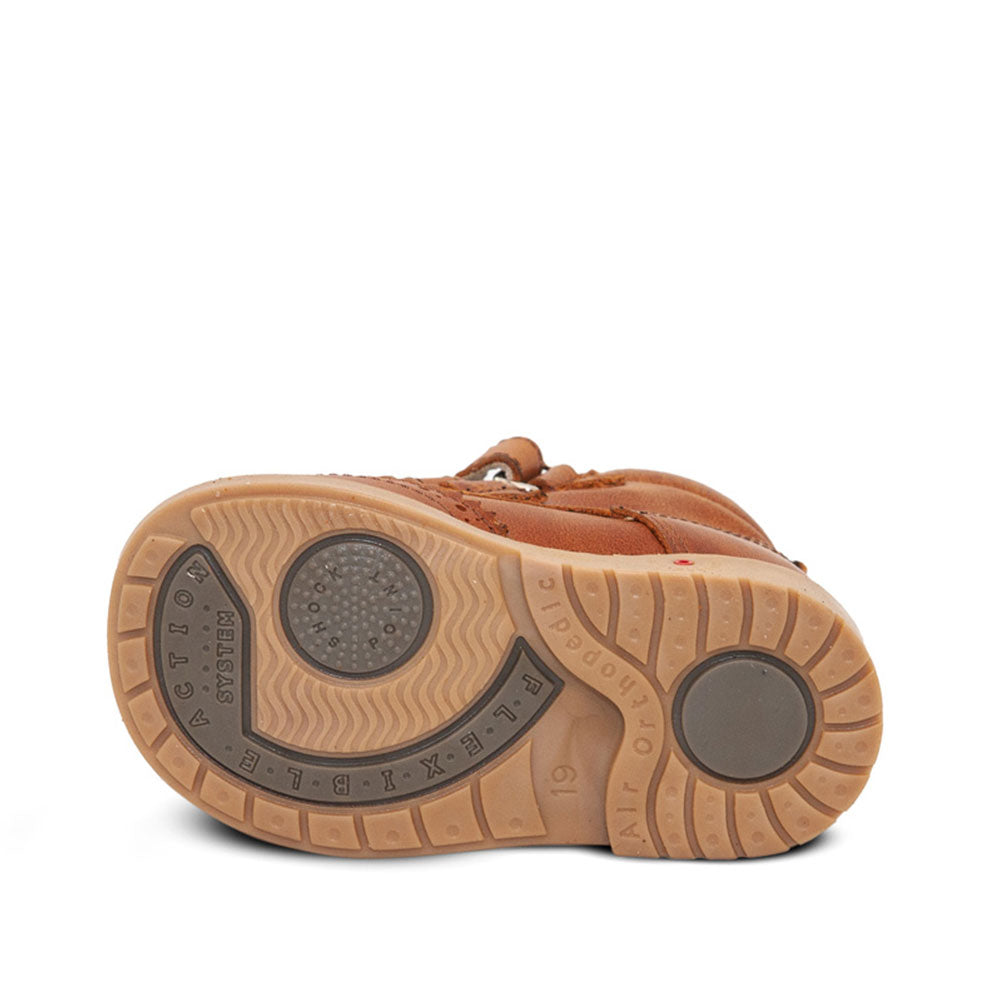
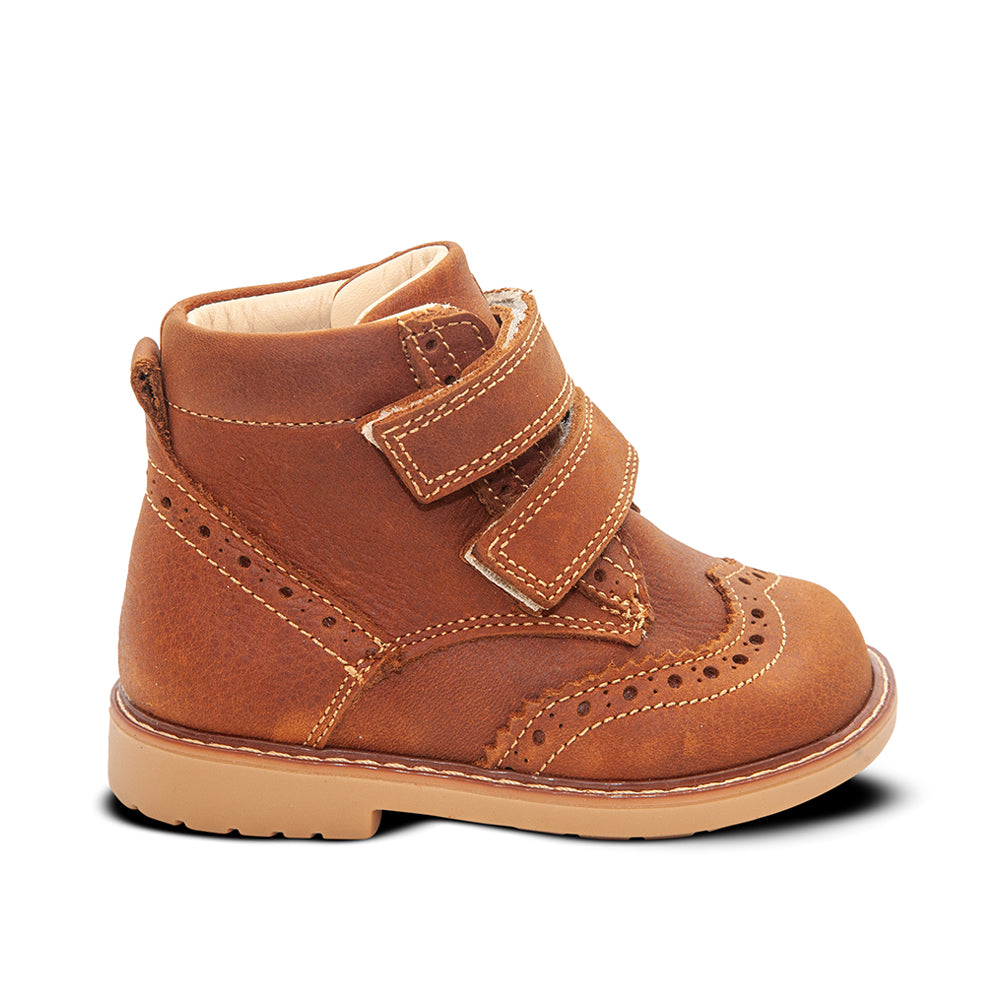
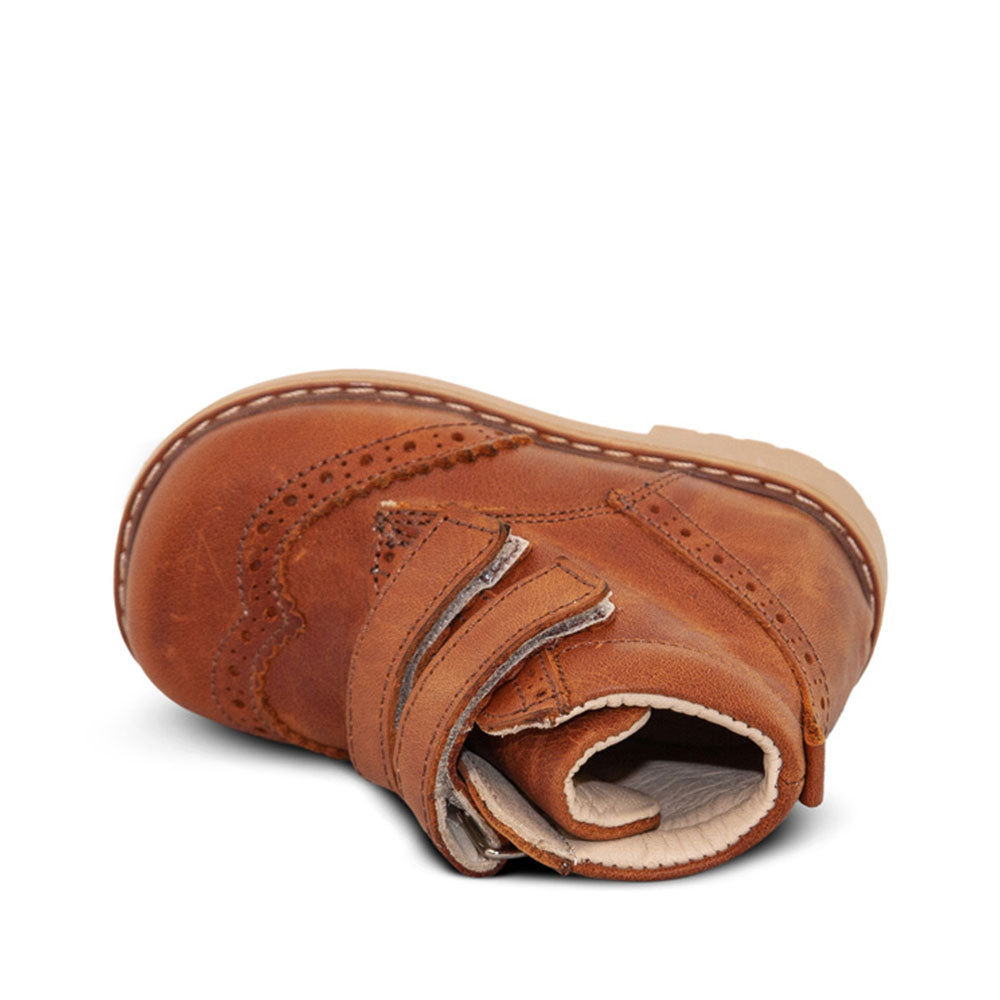
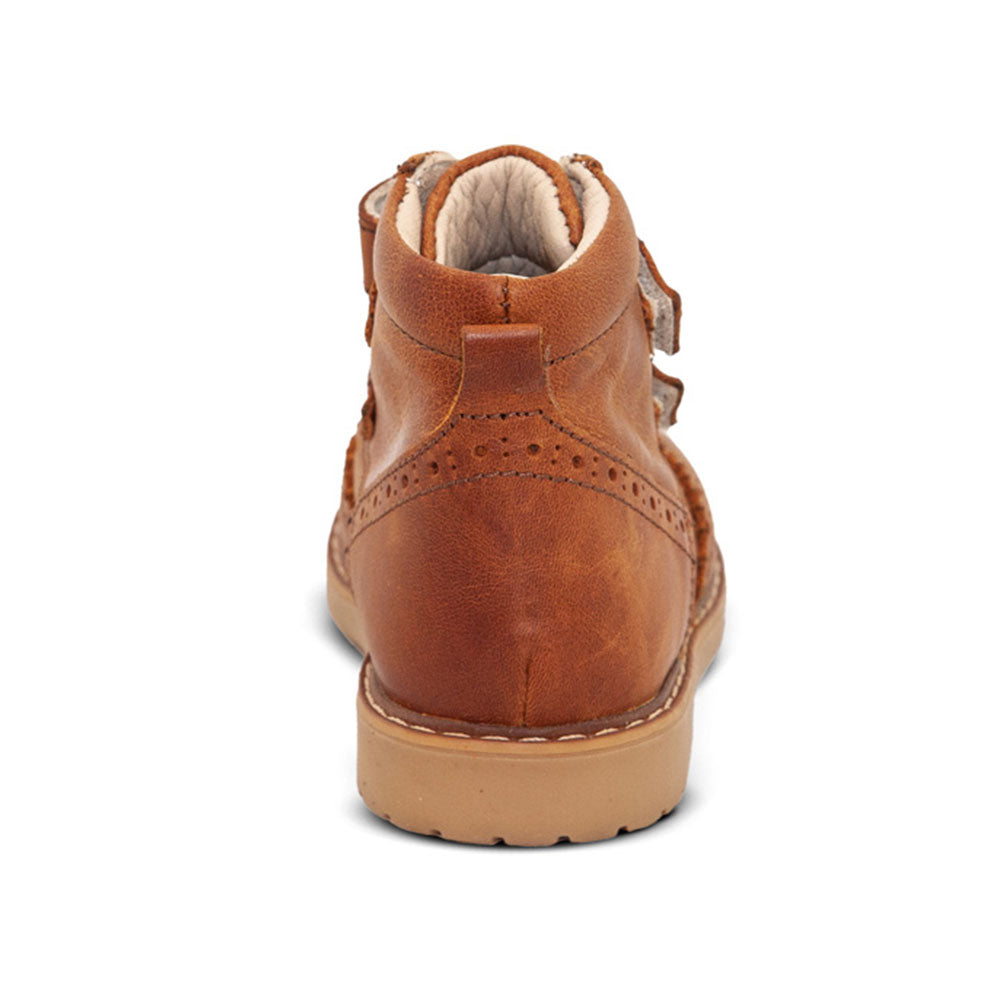
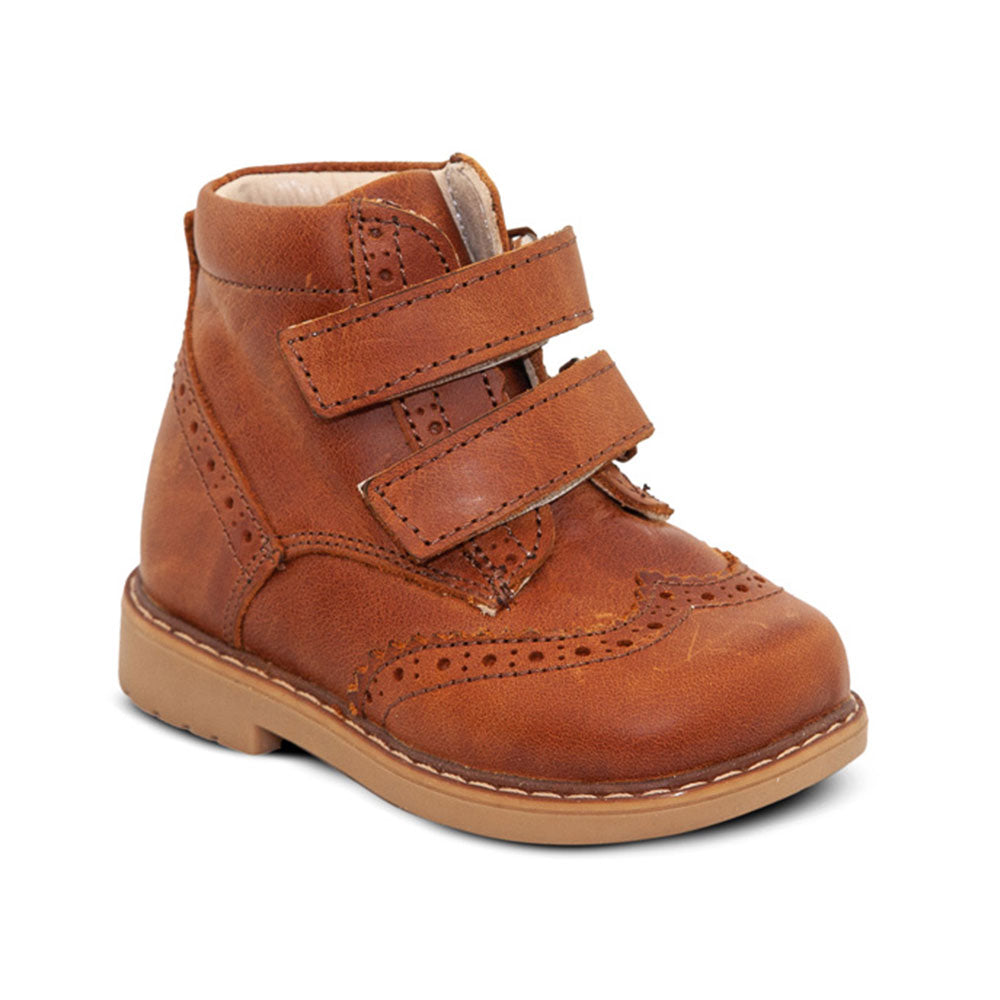
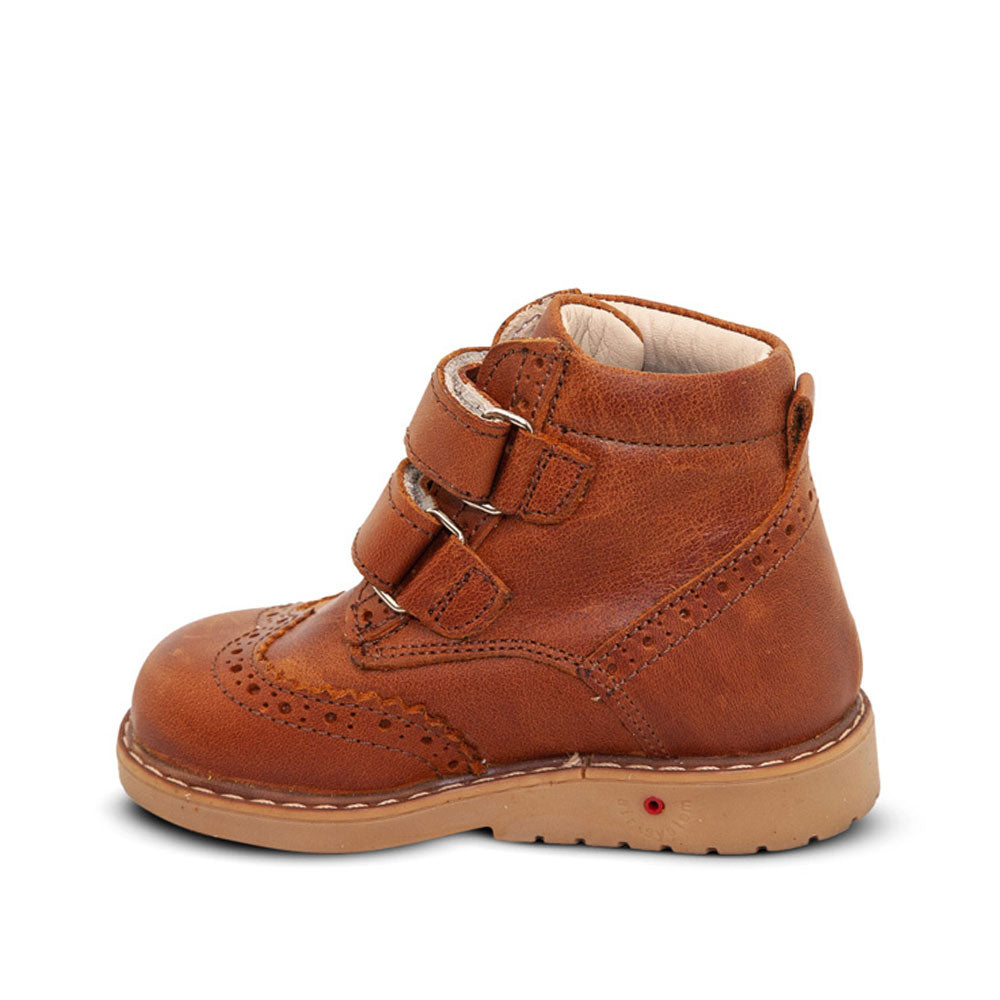
Louis Grim Boots
Premium leather breathability for outdoor adventures.
Type
Boots
Material
Leather
Sizes
18–30 (EU) | 2–11.5 (UK)
Benefits for kids needing breathable shoes
- High-quality calfskin regulates moisture during vigorous play
- Tight grain creates a barrier against outside wet while letting inside vapor escape
- Integrated air valves work with anti-bacterial insoles
- Prevents condensation when moving between cold and warm spaces
- Stays fresh even during extended outdoor sessions
Why they're a top choice
The Louis Grim's calfskin construction provides exceptional moisture regulation during active outdoor play. Calfskin creates a natural barrier against rain and puddles while still letting internal moisture vapor escape—critical when your baby moves between cold outdoor air and heated indoor spaces.
Regular boots trap condensation during these temperature changes, but calfskin's breathability prevents moisture from getting trapped inside. The air valves work together with anti-bacterial insoles to manage the sweat that happens even in cool weather, keeping boots fresh through hours of outdoor exploration.
4
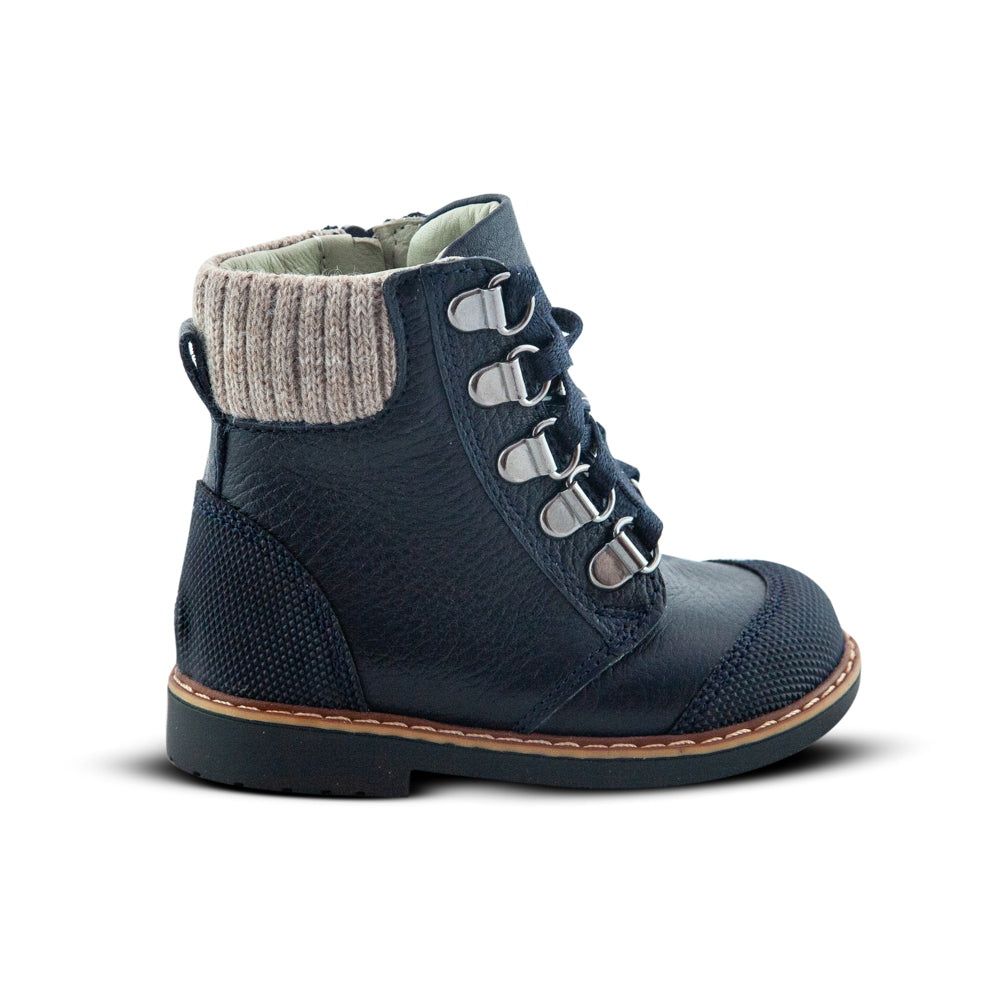
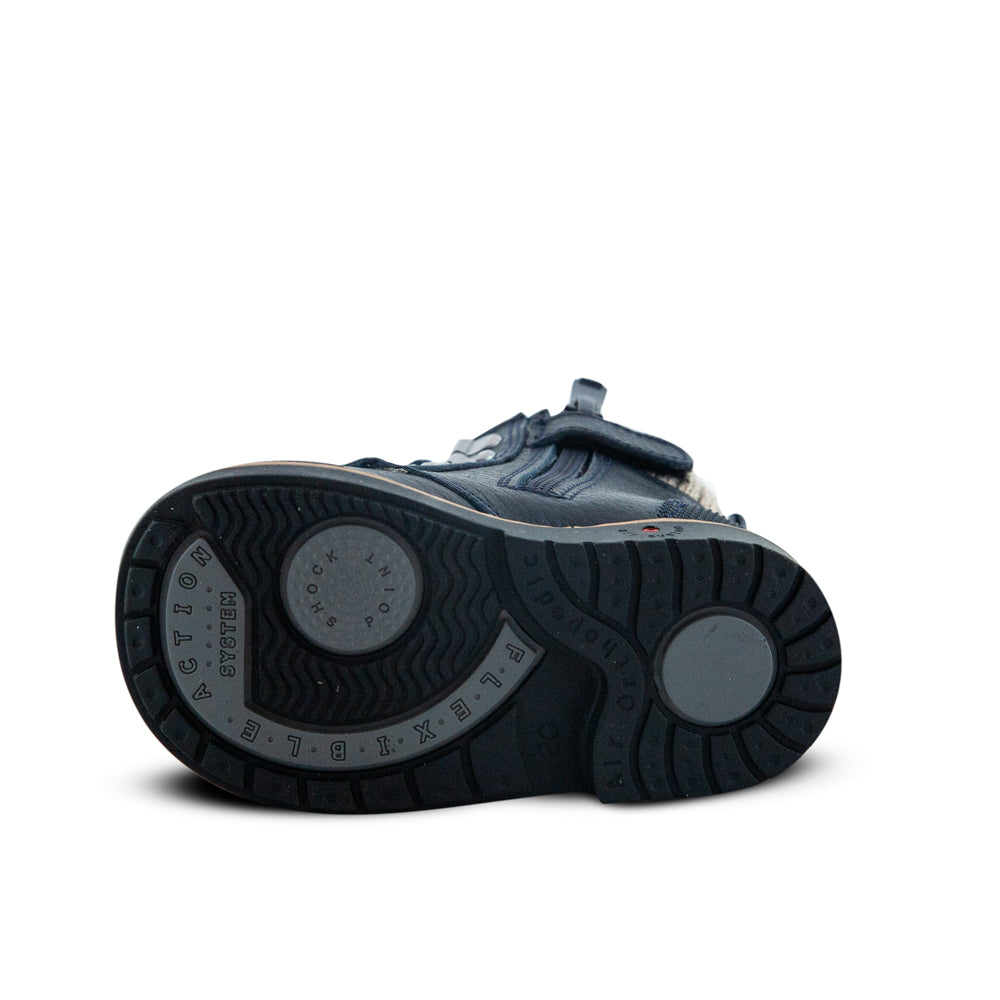
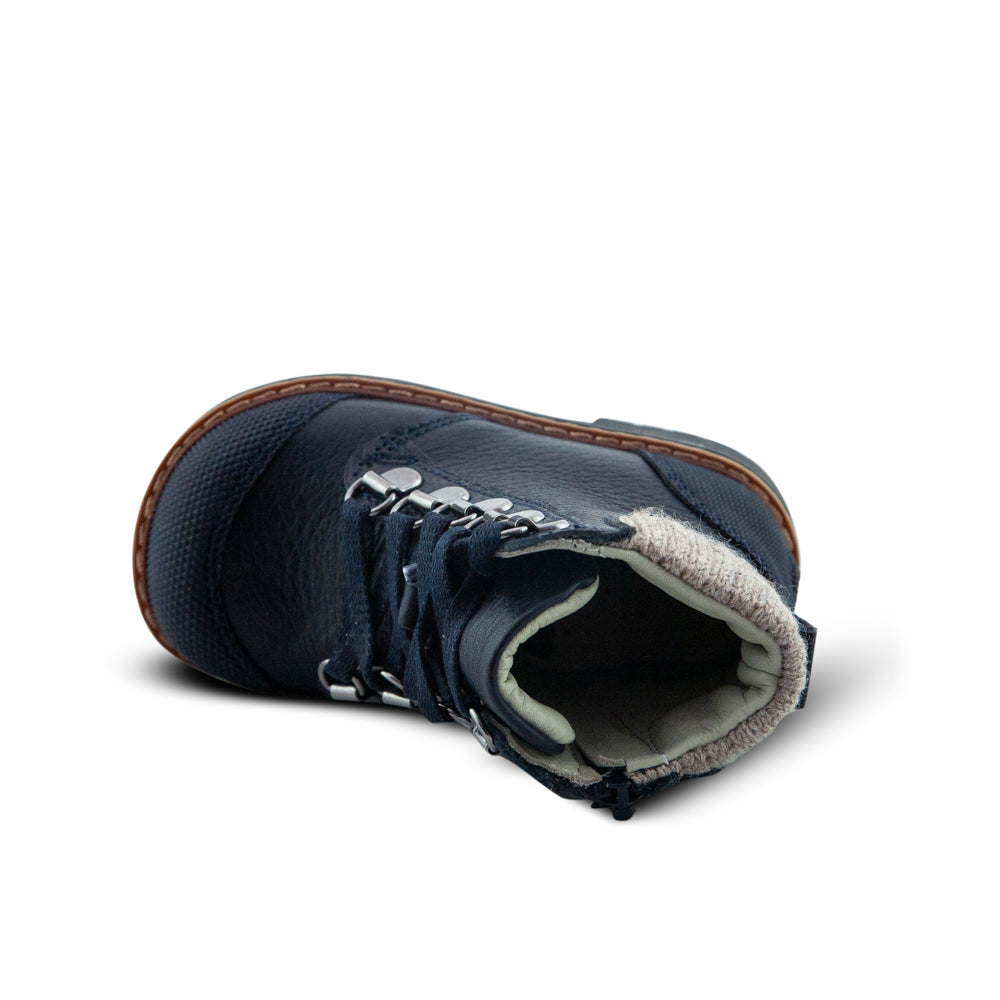
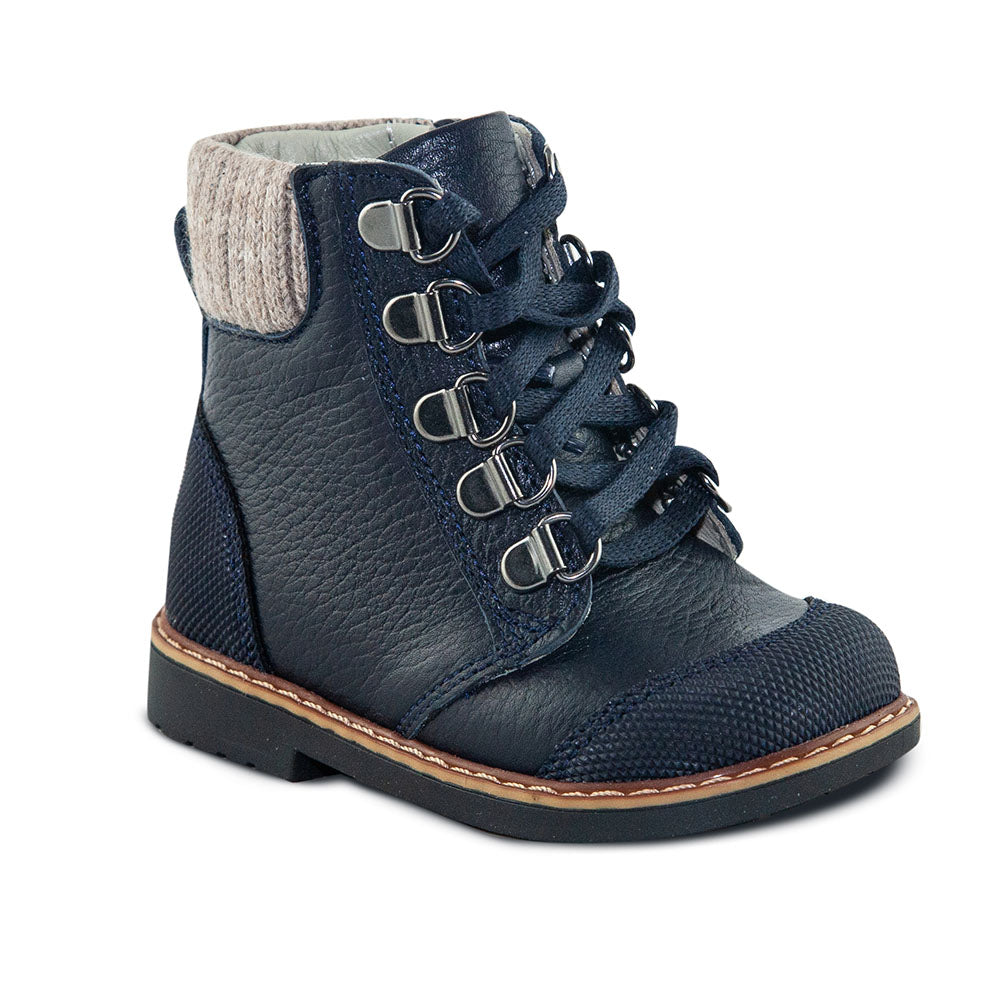
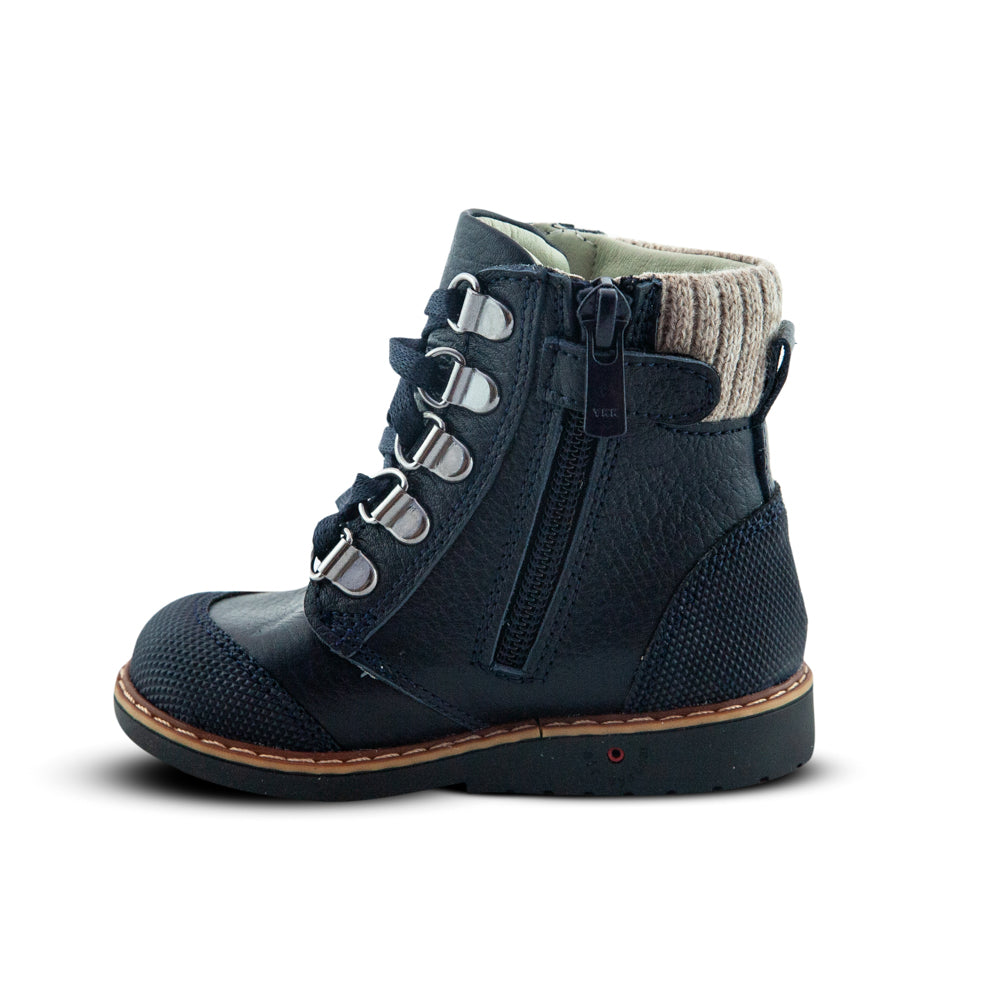
Supreme Josh Boots
Warmth without the swampy boot syndrome.
Type
Boots
Material
Leather
Sizes
18–30 (EU) | 2–11.5 (UK)
Benefits for kids needing breathable shoes
- Soft knitted ankle collar insulates while letting vapor escape
- Open weave structure prevents the "steaming" effect
- Genuine leather stays porous even in cold temperatures
- Air valves release moisture at the sole level
- Anti-bacterial insoles work in a warm boot interior
Why they're a top choice
The Supreme Josh solves winter's biggest boot problem: how to keep feet warm without creating a swamp inside. The knitted ankle collar provides thermal insulation, but its open weave lets vapor escape where heat and humidity concentrate during wear.
This matters tremendously when your baby moves from freezing outdoor conditions to heated stores or cars. Regular insulated boots trap all that moisture, creating soggy socks and a smell. The Supreme Josh's breathability releases built-up moisture during indoor intervals, resetting the environment before heading back outside.
5
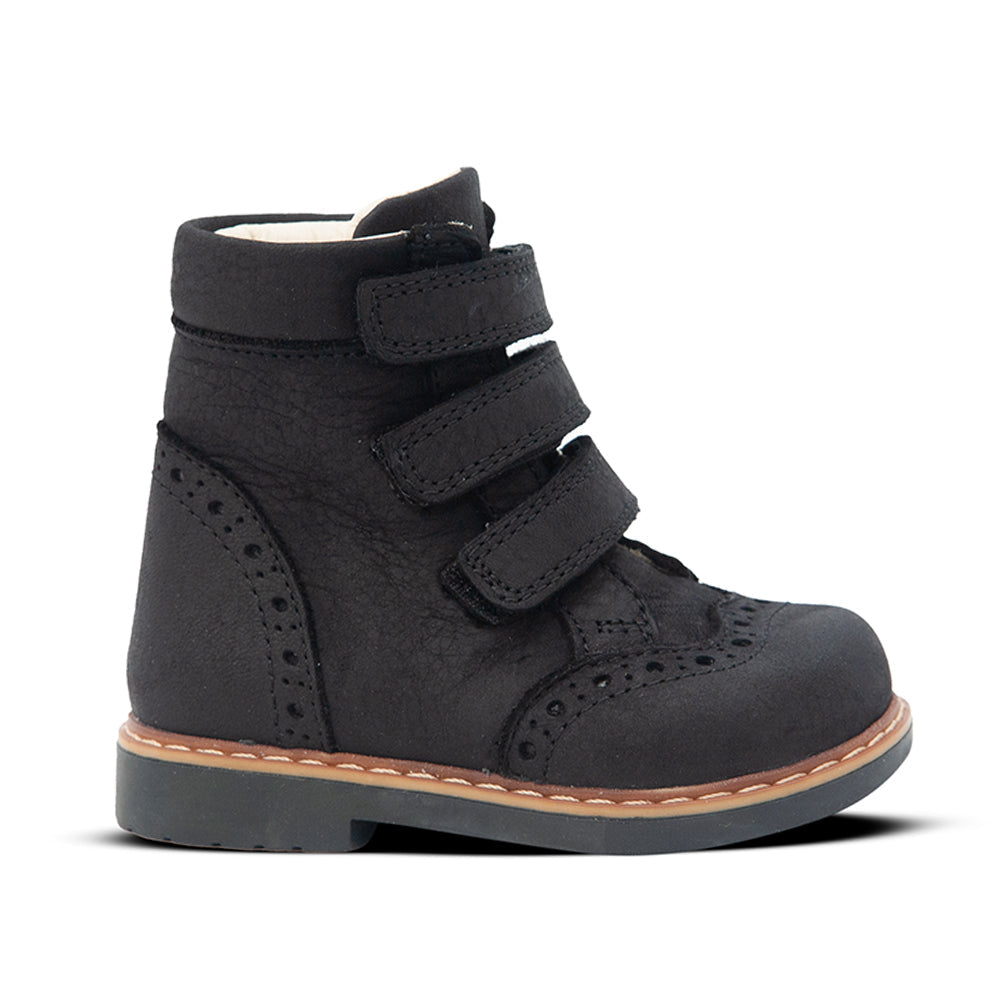
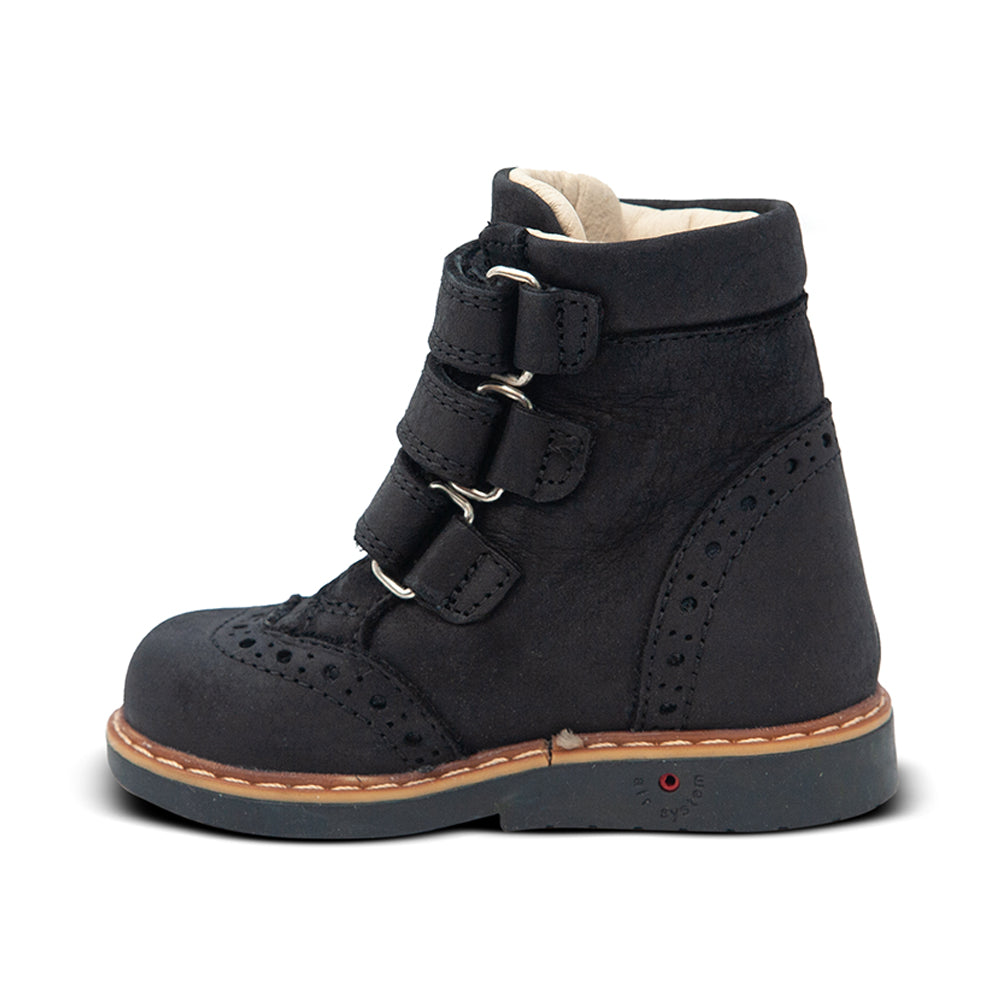
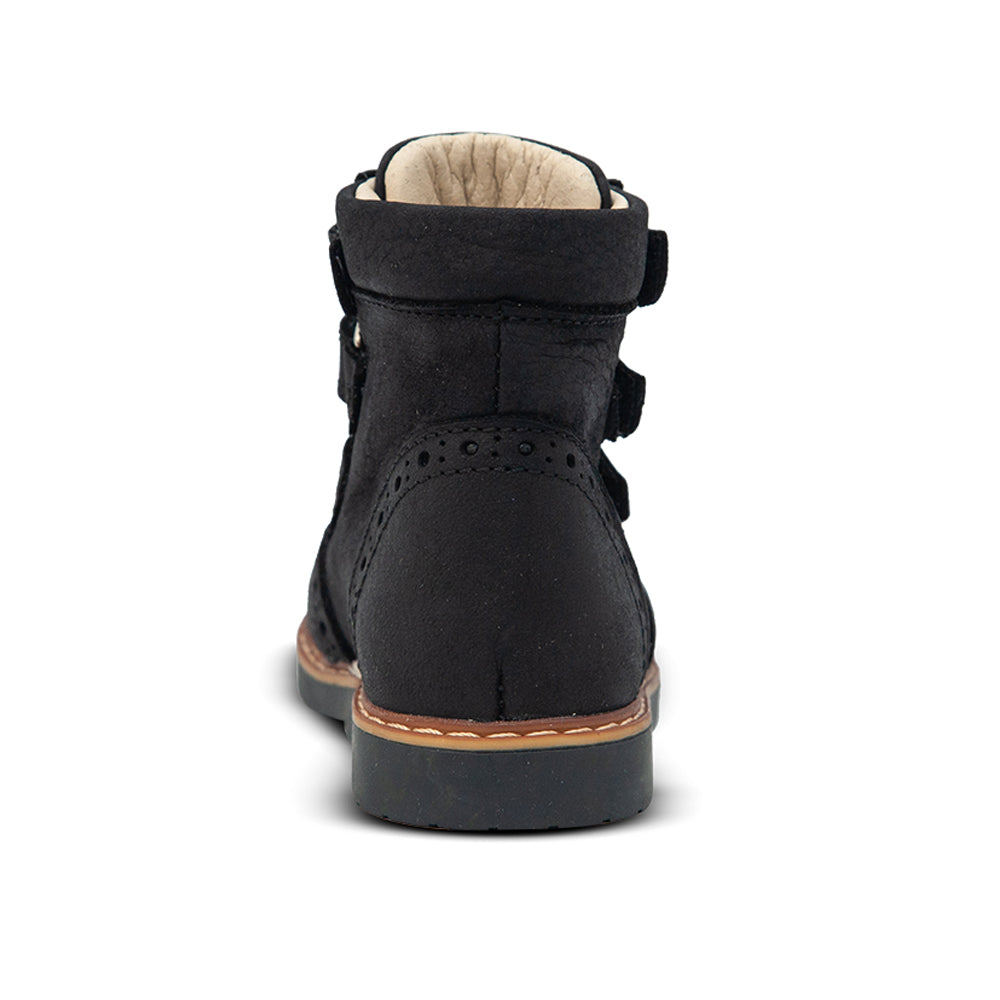
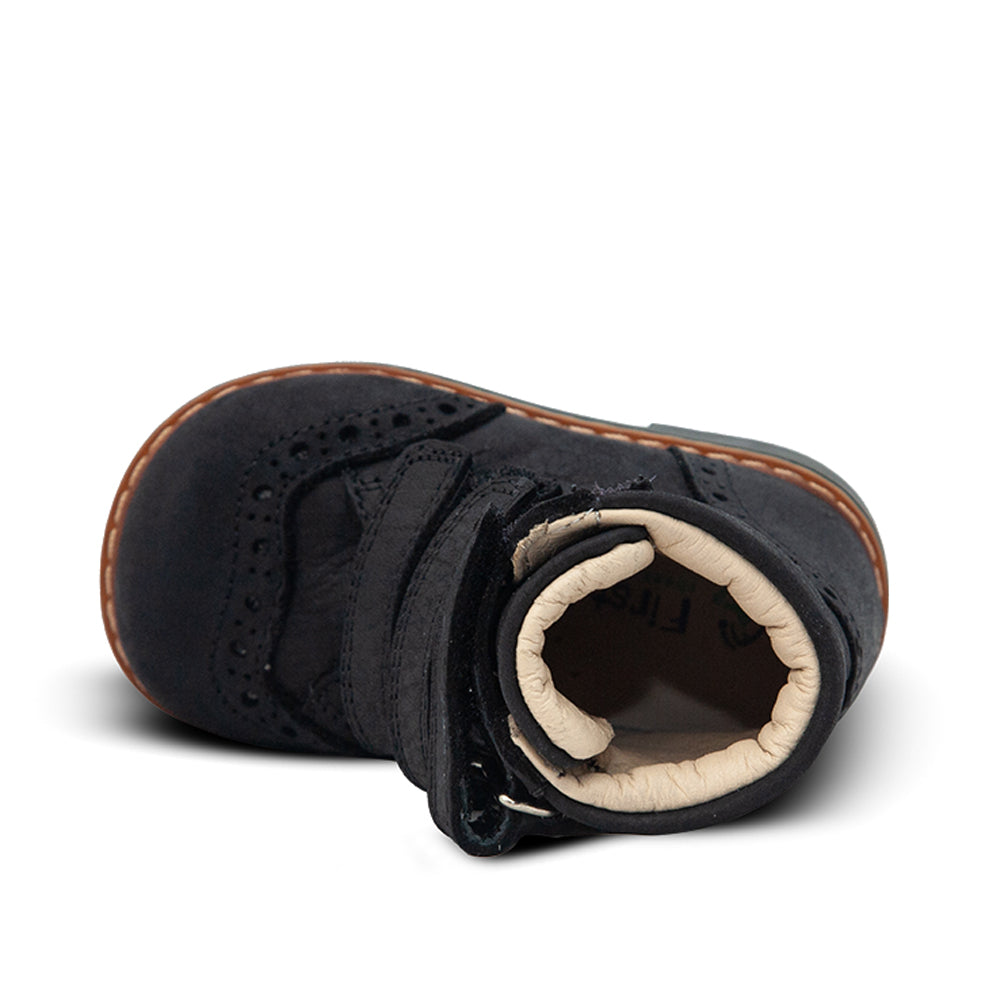
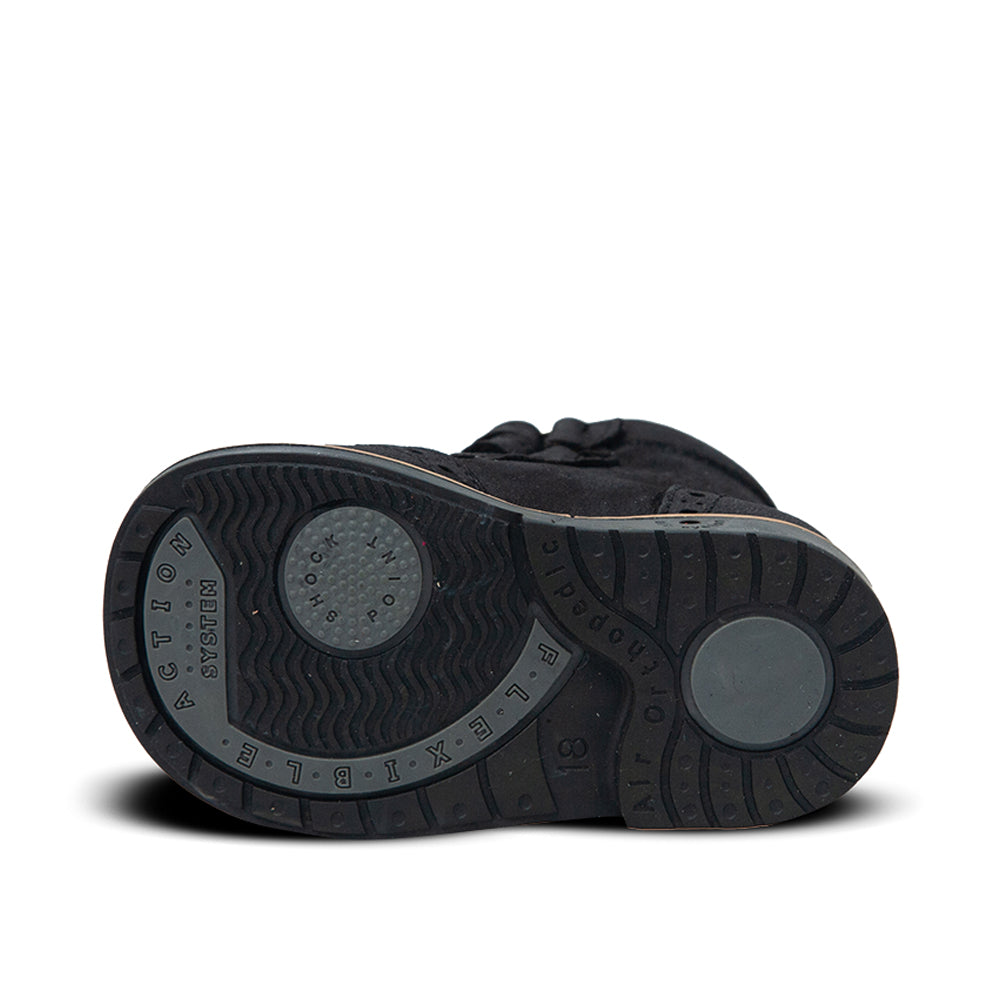
Dacota Trinket Boots
Handles rain and puddles without trapping sweat inside.
Type
Boots
Material
Leather
Sizes
18–30 (EU) | 2–11.5 (UK)
Benefits for kids needing breathable shoes
- Leather repels external water while allowing internal vapor out
- Removable anti-bacterial insoles dry completely after wet outings
- Air valves continue releasing humidity even when the exterior gets wet
- Prevents saturated-sock conditions that supercharge bacteria
- Bidirectional moisture management
Why they're a top choice
The Dacota Trinket solves a tricky challenge: keeping outside water out while letting inside moisture escape. The leather construction creates a barrier that repels rain and puddles while still allowing sweat vapor to migrate outward.
Those removable insoles prove particularly valuable here. After damp outings, you can extract and completely dry them instead of leaving moisture trapped overnight. The air valves keep working even when the boot's outside contacts wet surfaces, preventing the saturated conditions that make bacteria multiply rapidly.
6
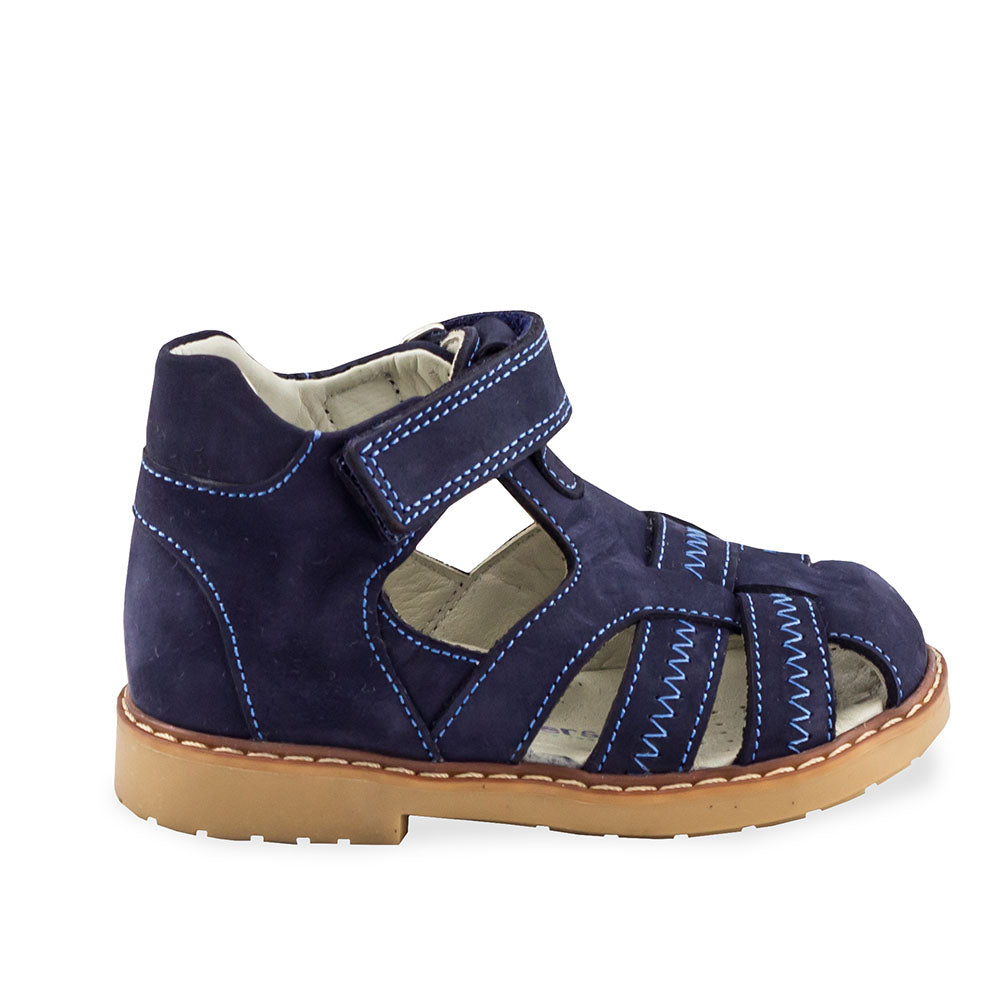
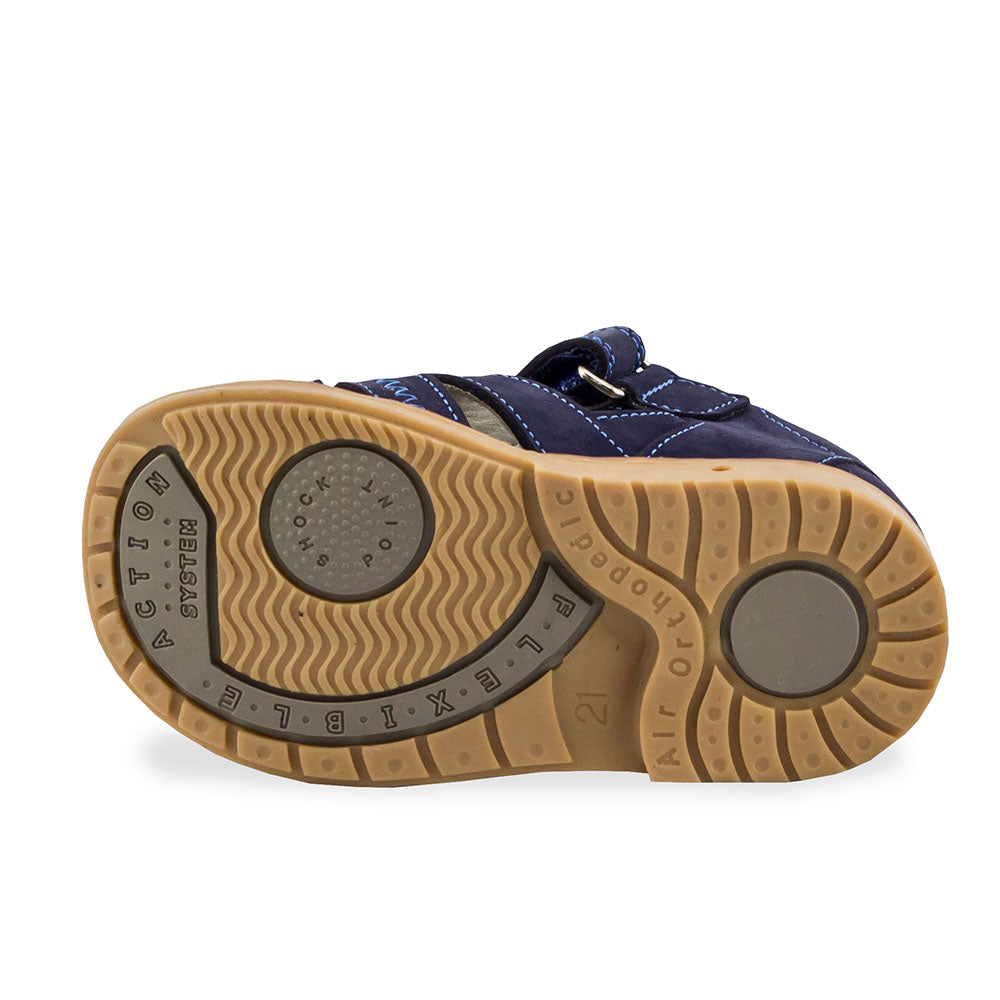
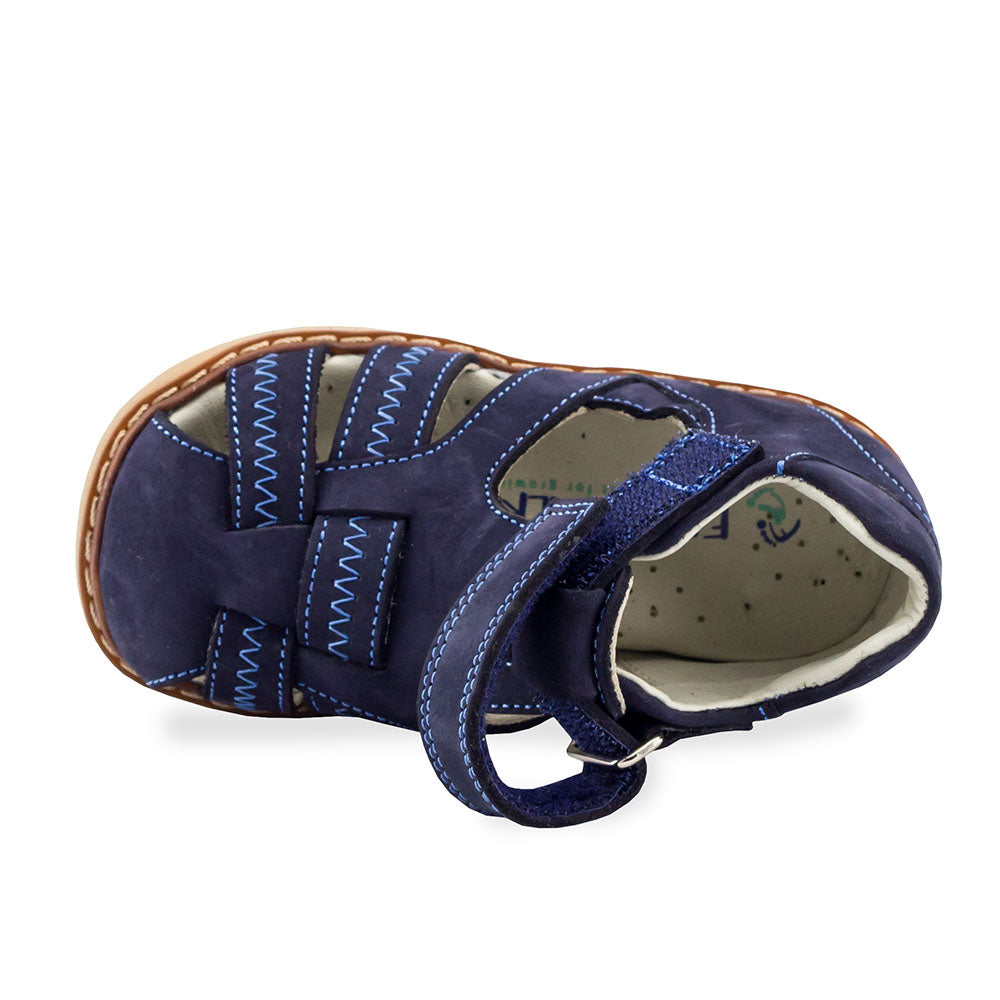
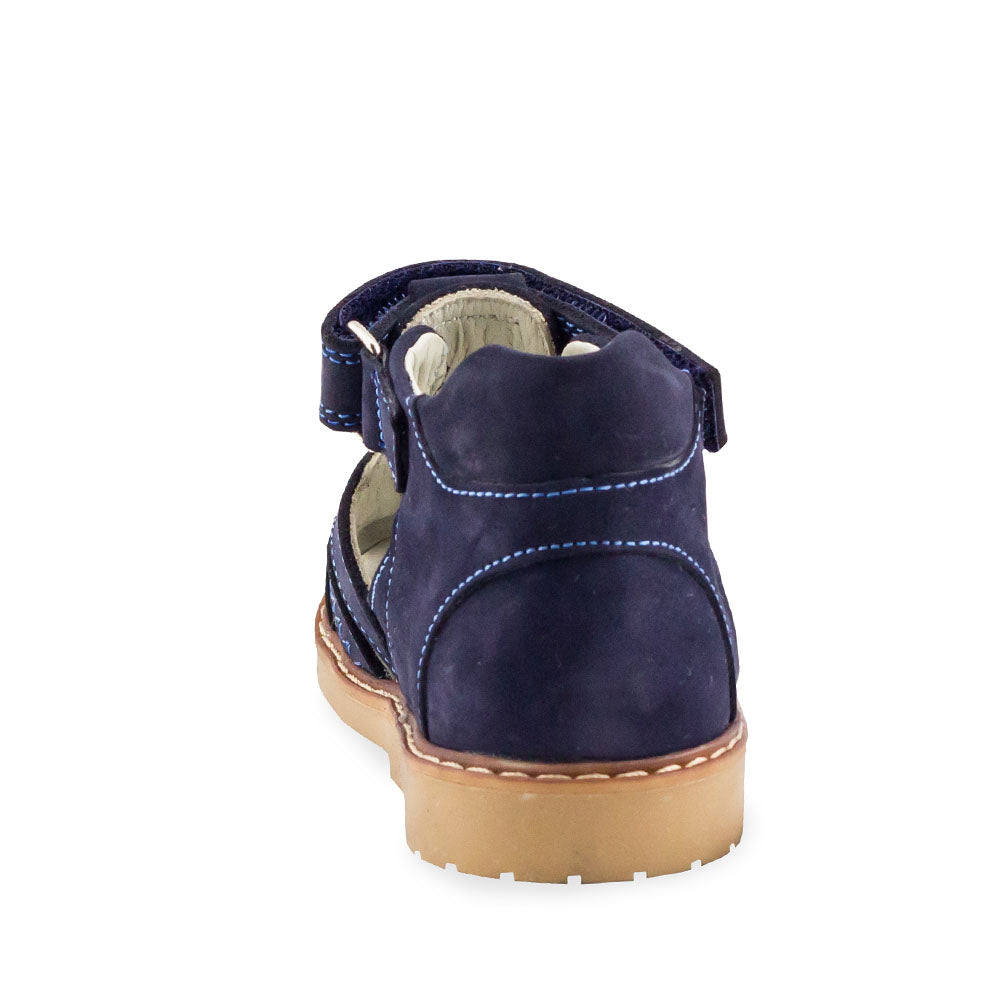
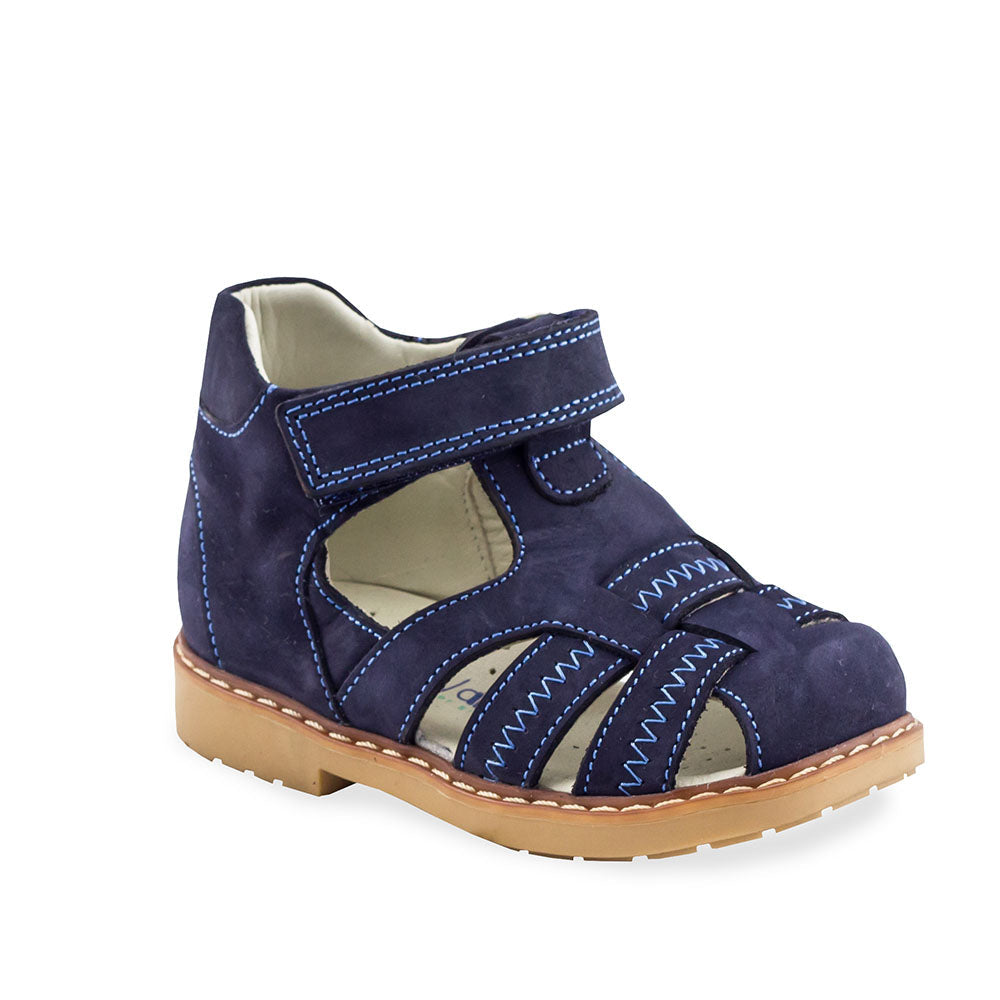
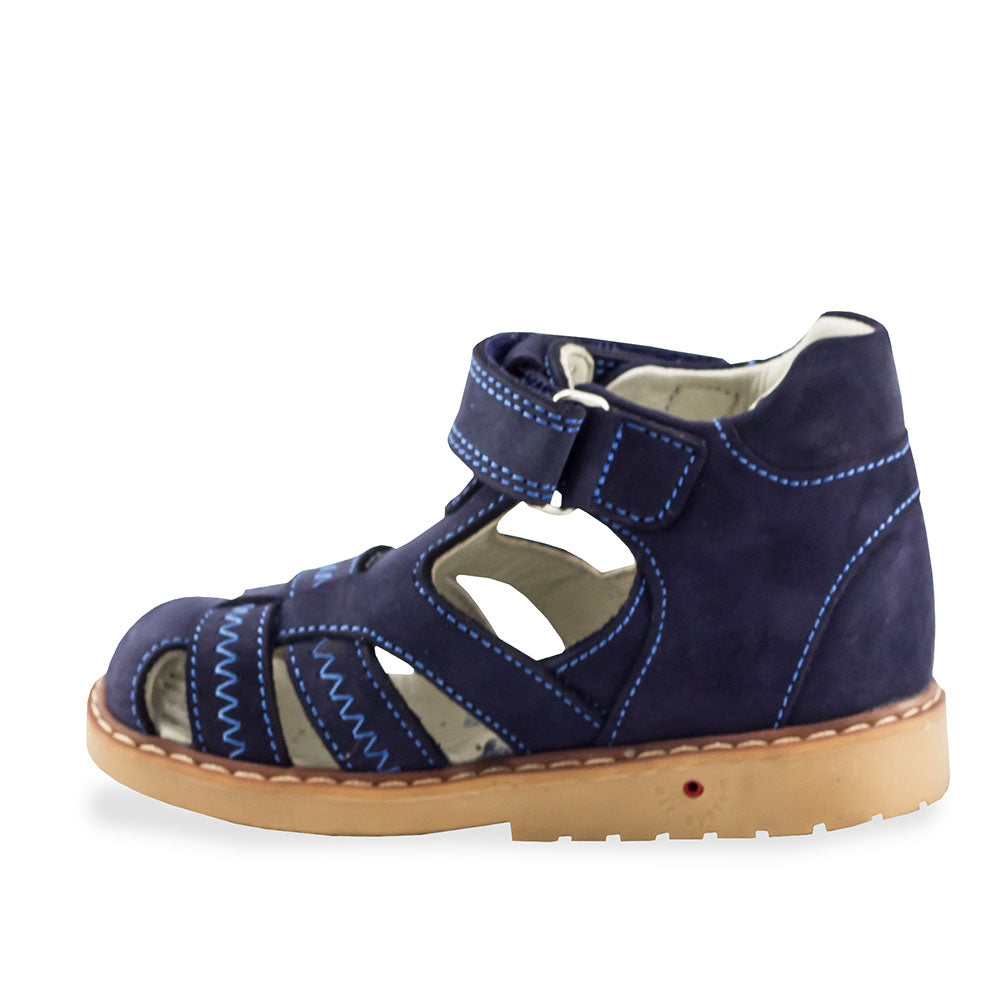
Dandy Dominic Sandals
Maximum heat dissipation for summer play.
Type
Sandals
Material
Nubuck Leather
Sizes
18–30 (EU) | 2–11.5 (UK)
Benefits for kids needing breathable shoes
- Open-sided sandal creates a chimney effect for hot air escape
- Closed front protects toes while sides stay ventilated
- Nubuck leather's texture increases evaporative cooling
- Anti-bacterial insoles neutralize odor in warm conditions
- Air valves release moisture before it saturates the insole
Why they're a top choice
The Dandy Dominic maximizes cooling through its hybrid design—protected toes with completely open sides. Hot air rises and exits through the open areas while cooler air enters from multiple angles, creating constant circulation.
The nubuck leather amplifies this cooling action. Its brushed texture has more surface area for evaporative heat transfer than smooth leather. Perfect for summer outdoor play when toddlers generate serious body heat and ambient temperatures compound the problem. The open design means airflow increases as your baby moves more.
7
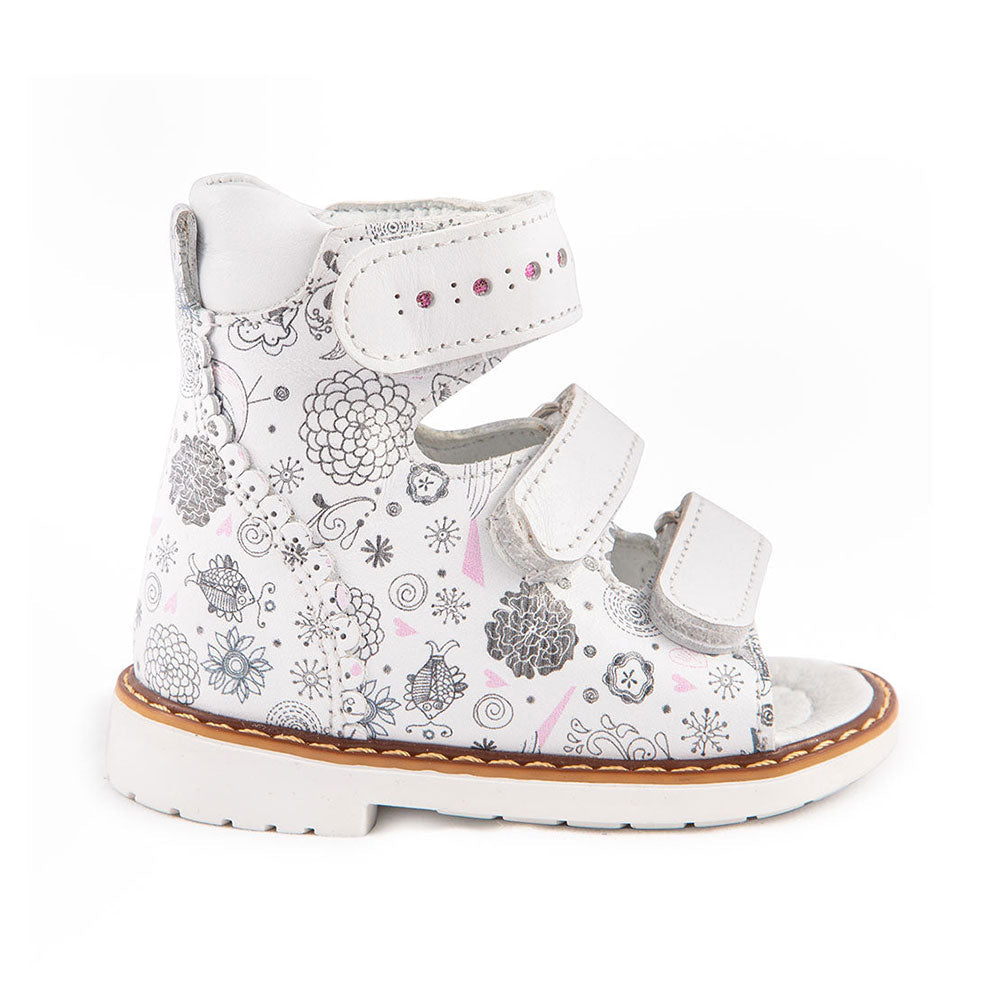
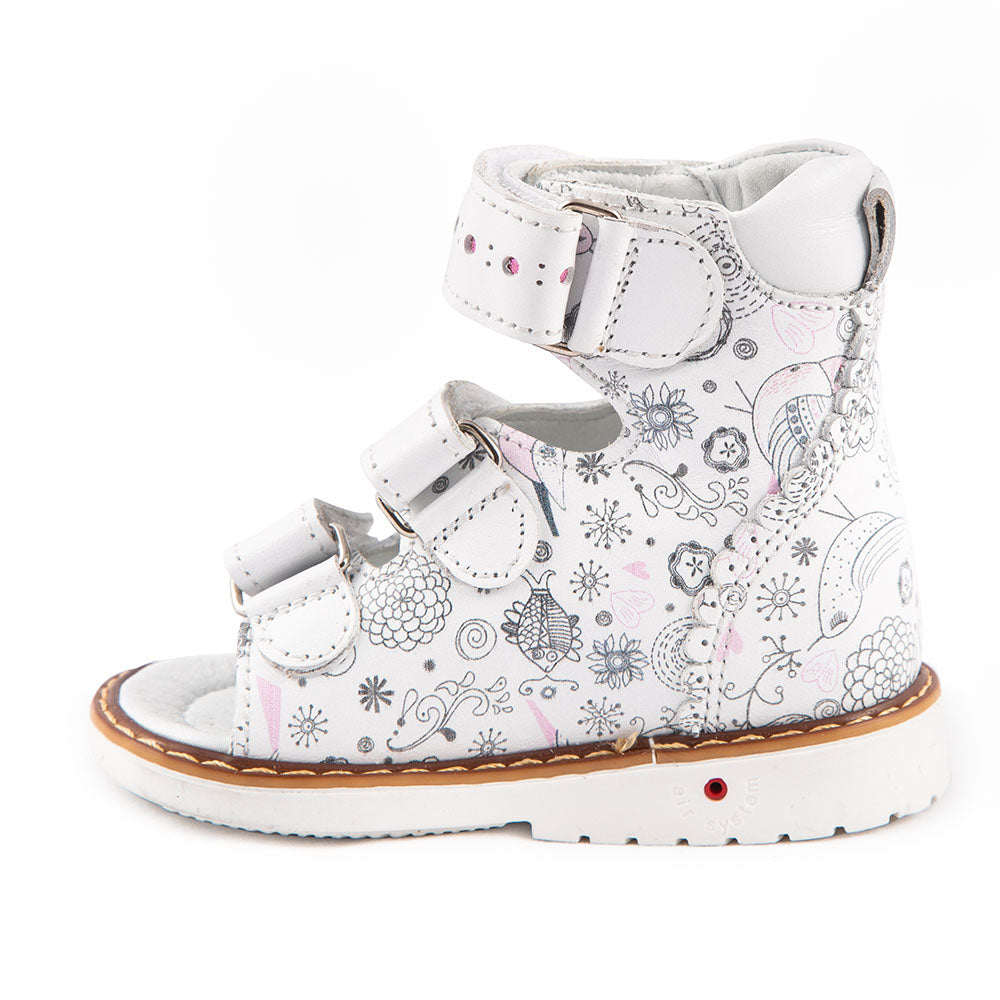
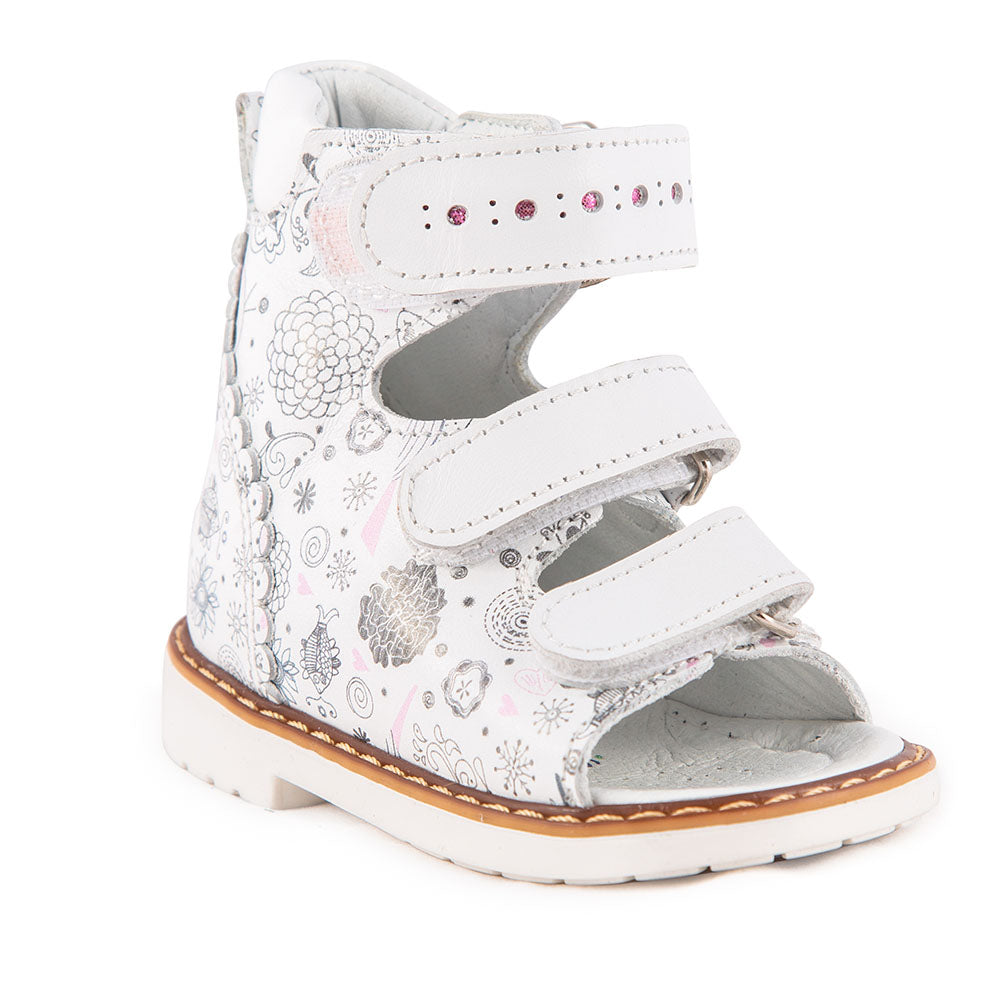
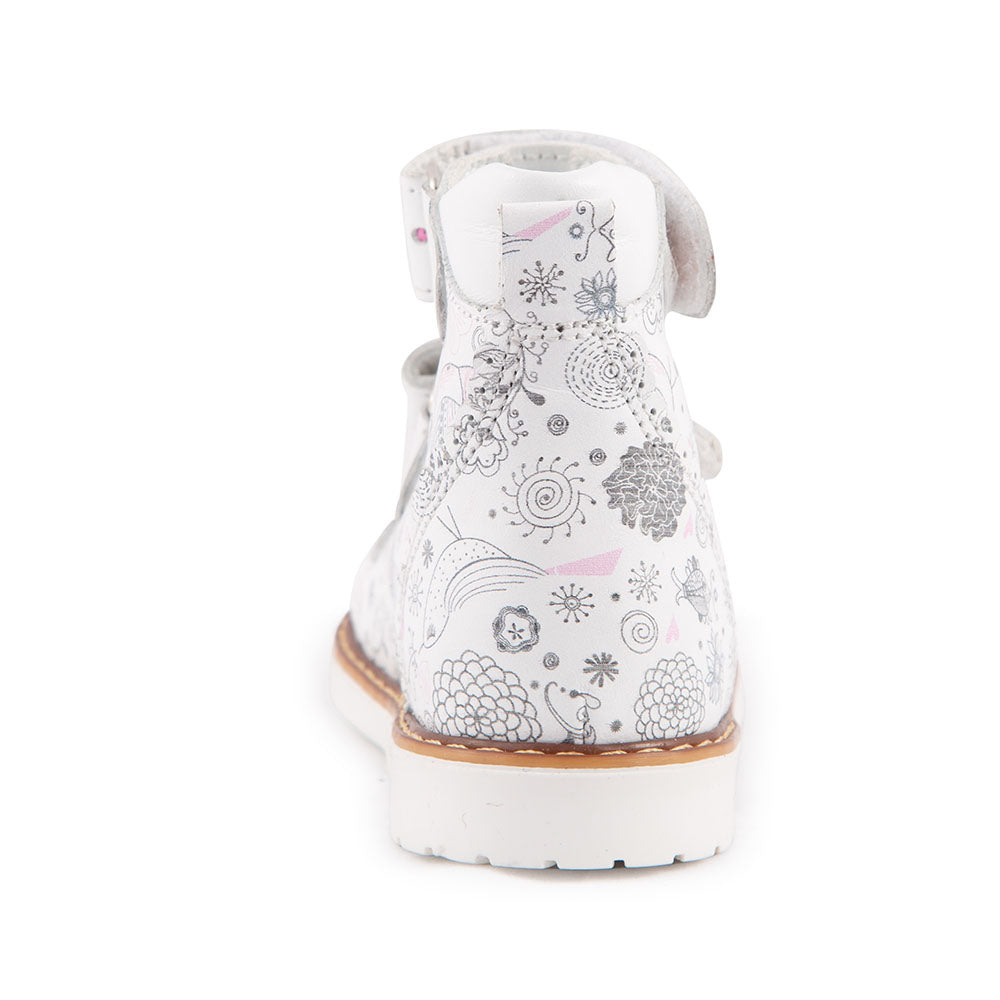
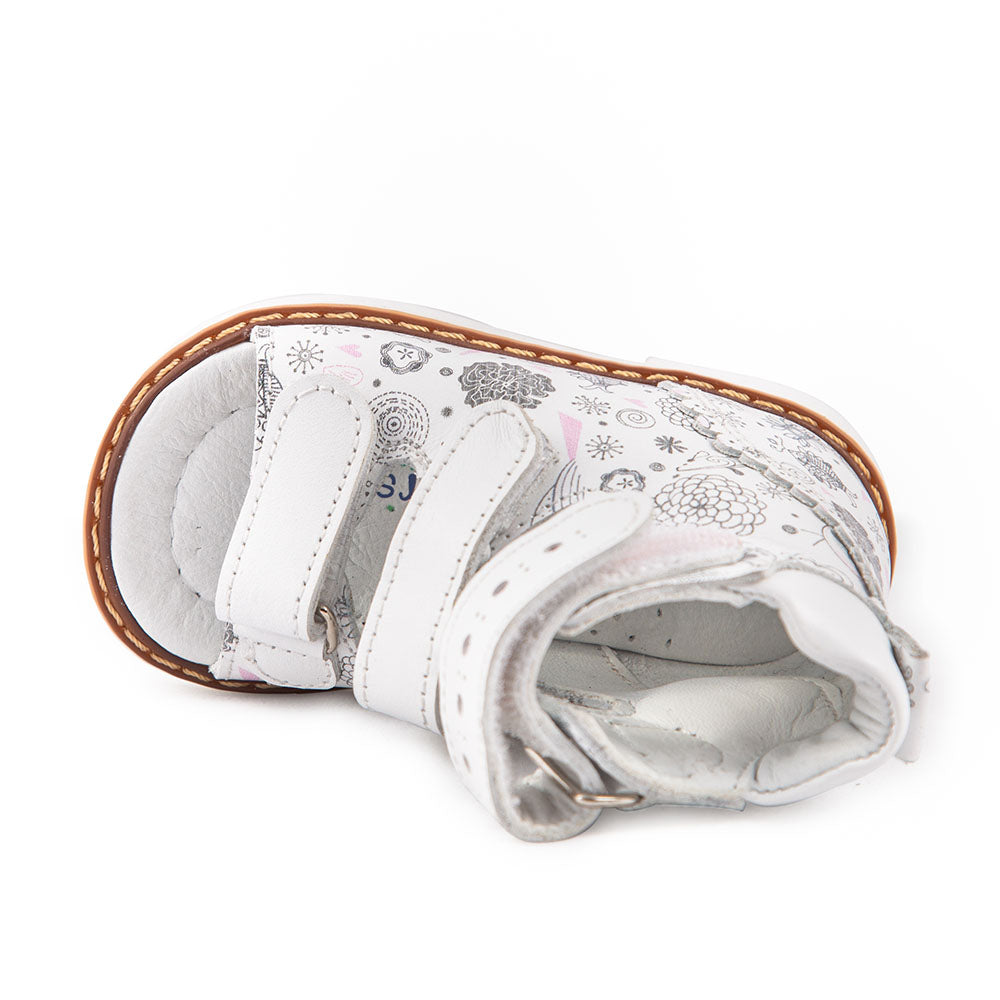
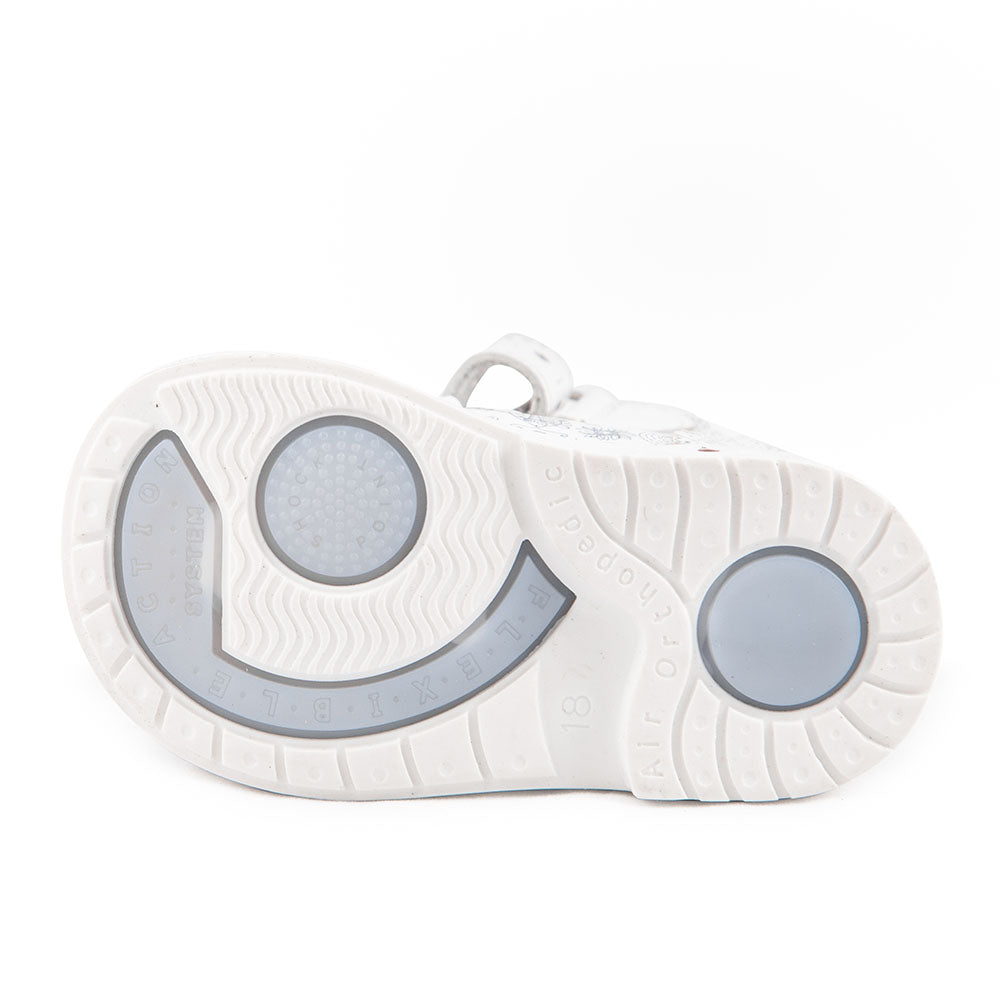
Miki Angela Sandals
Party-ready freshness with high-top support.
Type
Sandals
Material
Leather
Sizes
18–30 (EU) | 2–11.5 (UK)
Benefits for kids needing breathable shoes
- High-top ankle support with open-toe and open-sided construction
- Direct skin exposure to circulating air for immediate evaporation
- Genuine leather structural elements stay naturally breathable
- Anti-bacterial insoles target moisture under the arch
- Layered ventilation from multiple angles
Why they're a top choice
The Miki Angela combines ankle support with sandal breathability—high-top coverage without sacrificing ventilation. The open construction exposes skin directly to air, letting sweat evaporate immediately instead of saturating linings.
This direct evaporative cooling works far better than perforations alone. Perfect for social occasions and special events where you want stylish footwear that won't smell terrible after hours of excited play. The artistic print design means it reads as fashionable rather than medical, meeting expectations for dressy events.
8
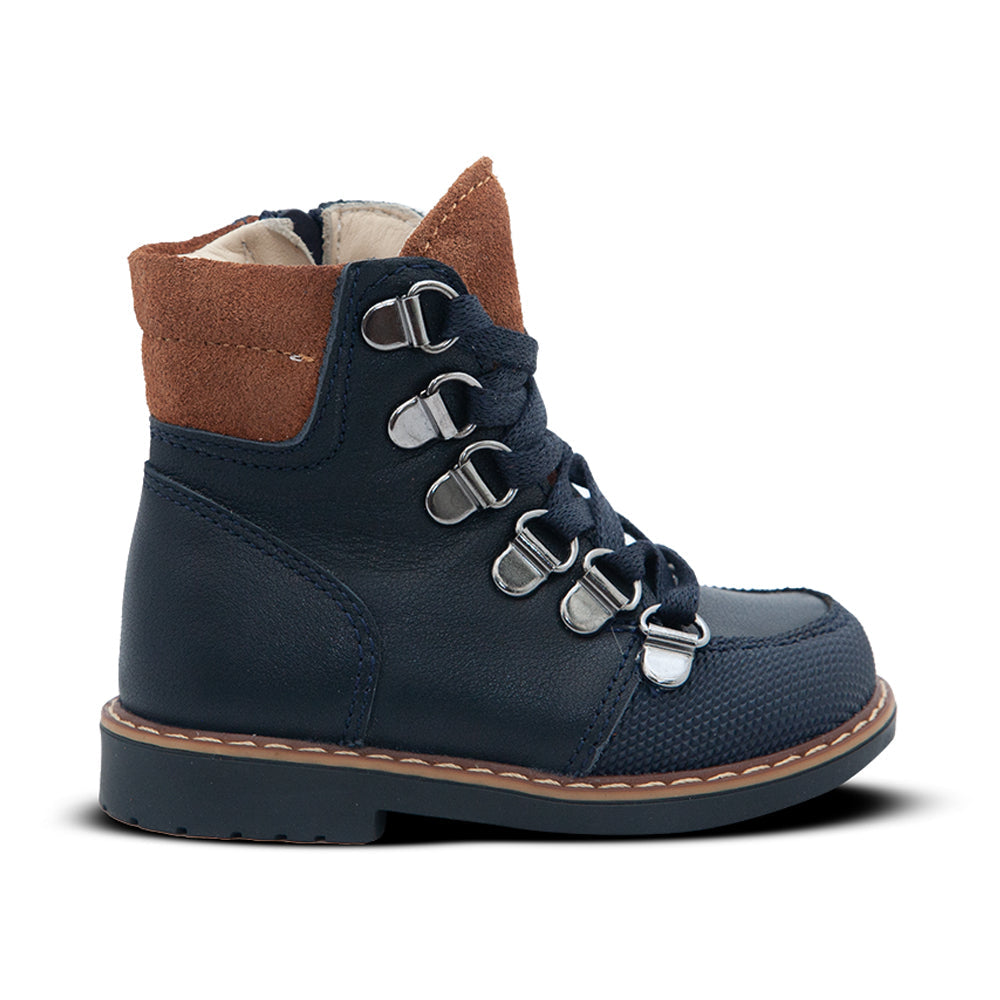
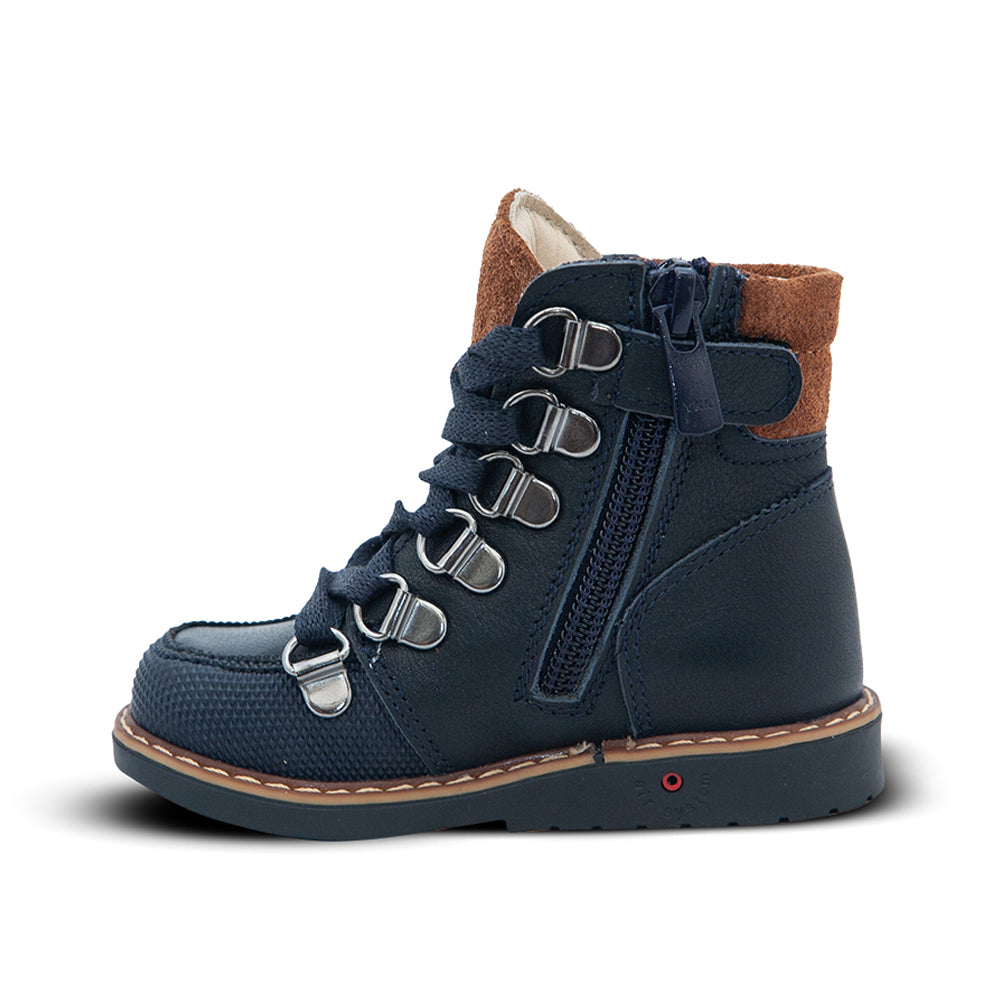
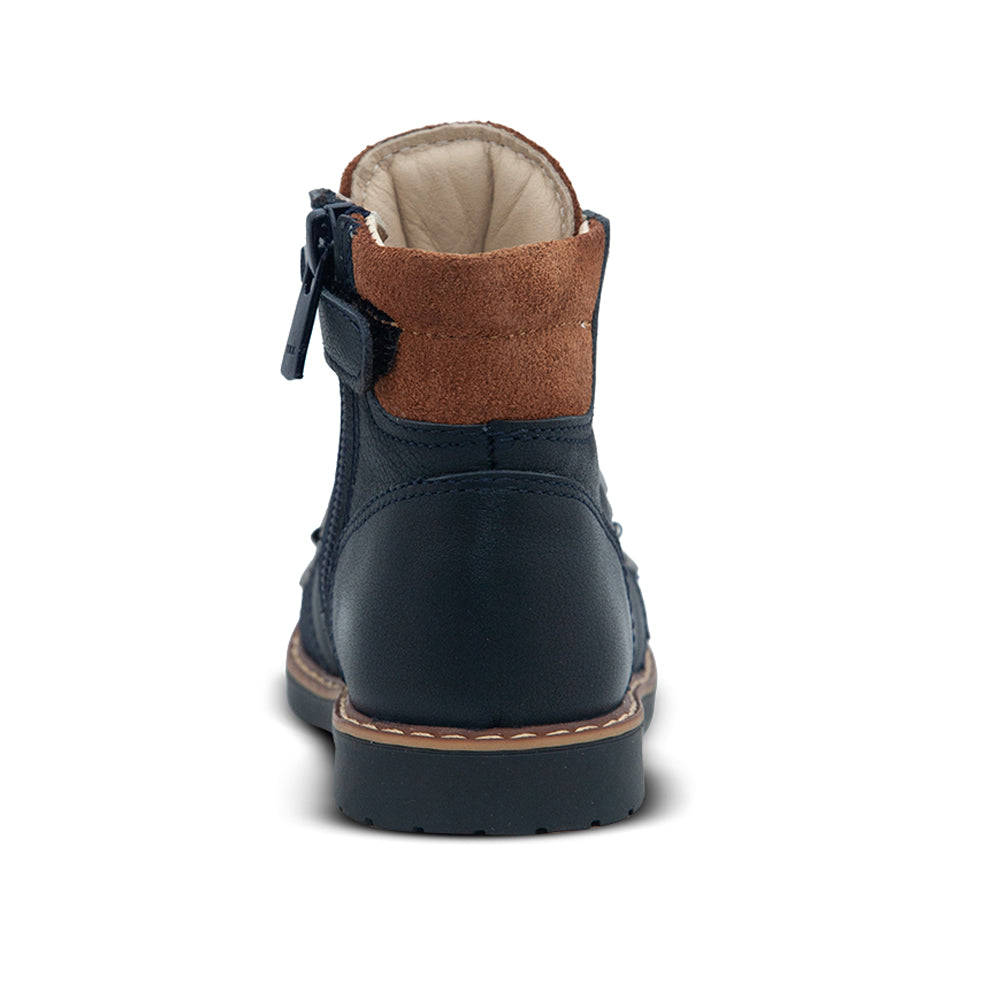
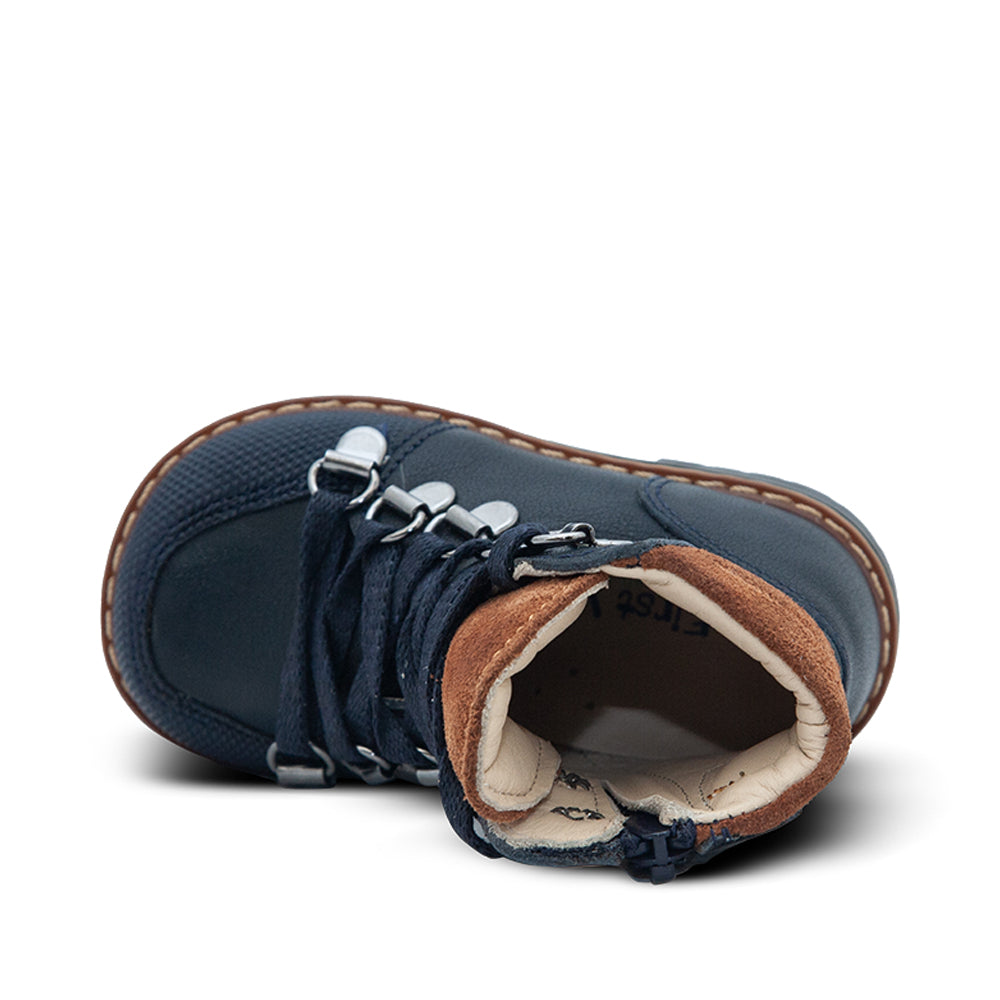
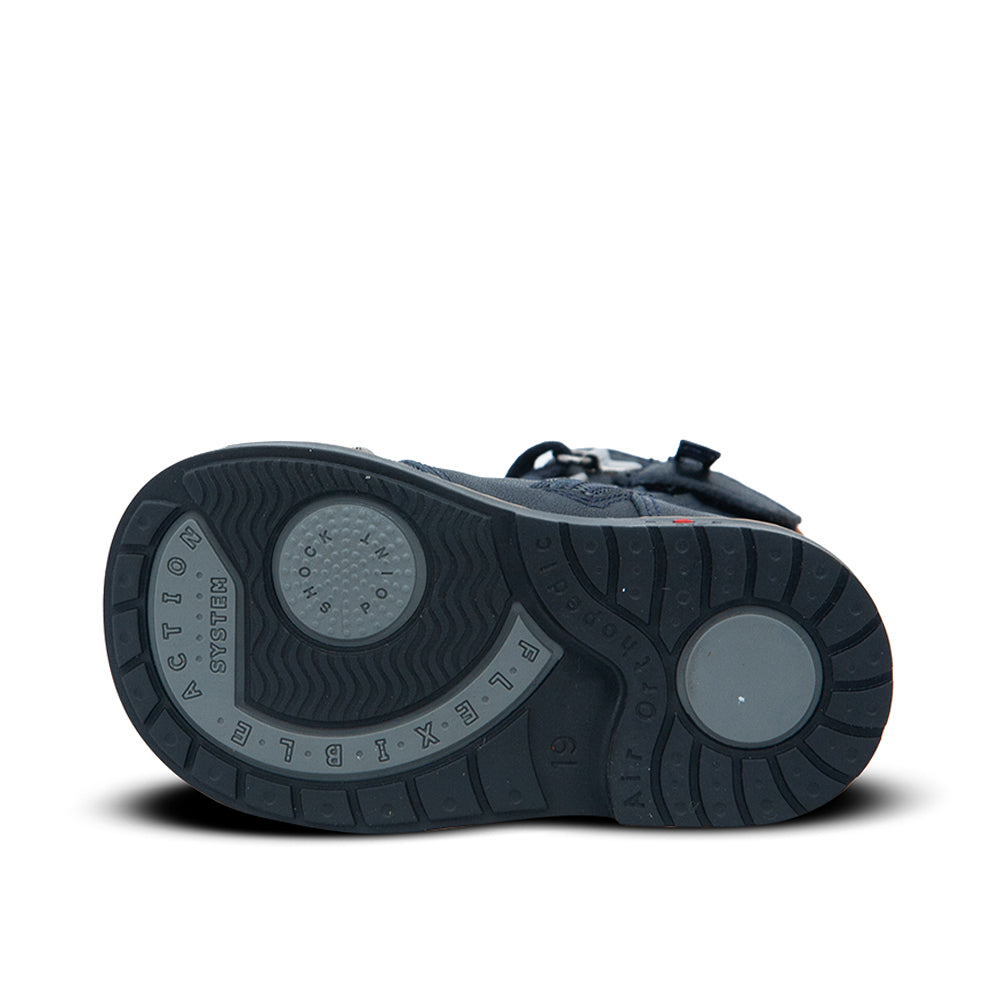
Rocky Rick Boots
Dual-leather zones for smart breathability
Type
Boots
Material
Leather + Nubuck Leather
Sizes
18–30 (EU) | 2–11.5 (UK)
Benefits for kids needing breathable shoes
- Smooth leather and nubuck create different ventilation zones
- Removable anti-bacterial insole extracts daily for complete drying
- Integrated air valves release humidity from the footbed
- Nubuck zones enhance airflow where heat builds up
- Multi-layer moisture management
Why they're a top choice
The Rocky Rick's dual-material construction positions breathability strategically. Nubuck's textured surface offers enhanced airflow in heat-prone areas, while smooth leather provides durability where it's needed most.
That removable insole is key for odor-prone feet. You can extract it every night for complete air-drying instead of hoping moisture evaporates through the upper alone. Great for transitional seasons when temperatures fluctuate—cool mornings that warm considerably by afternoon cause feet to sweat in boots chosen for morning conditions.
9
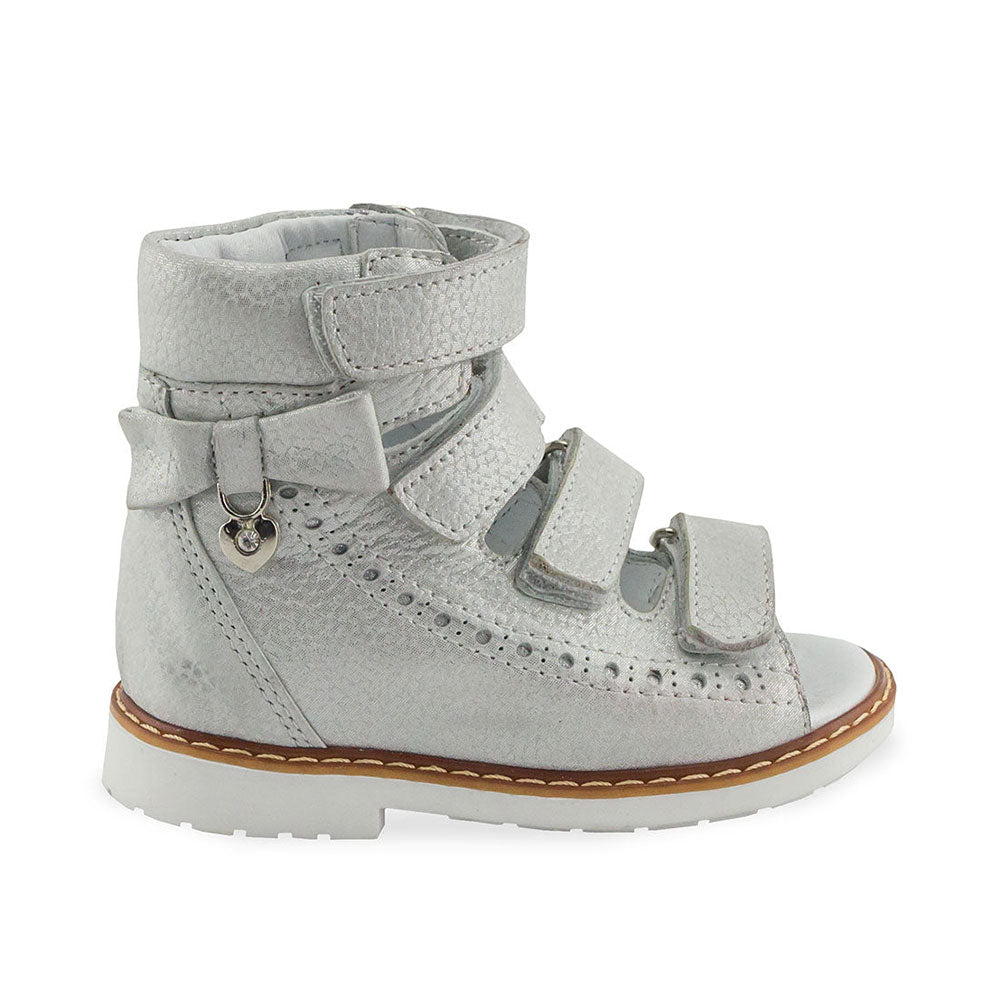
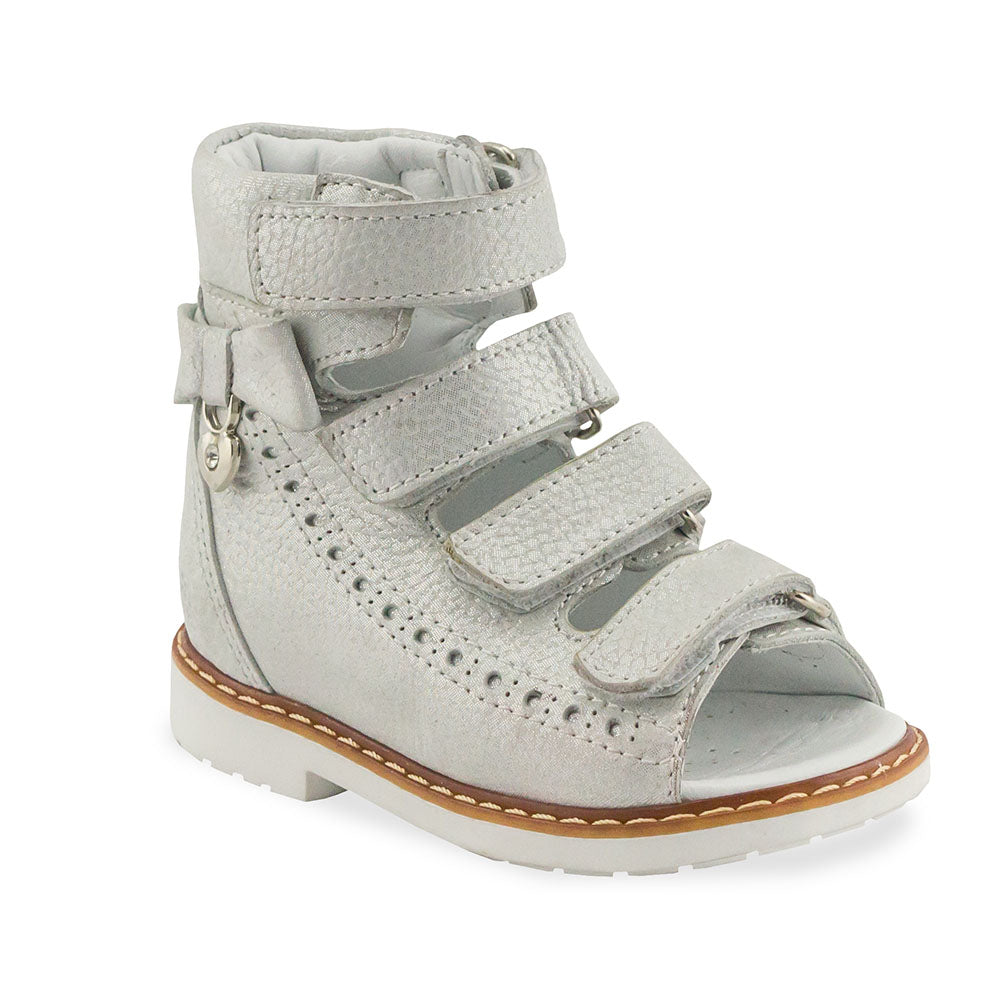
Cluey Lucy Sandals
Precision fit meets maximum airflow
Type
Sandals
Material
Leather
Sizes
18–30 (EU) | 2–11.5 (UK)
Benefits for kids needing breathable shoes
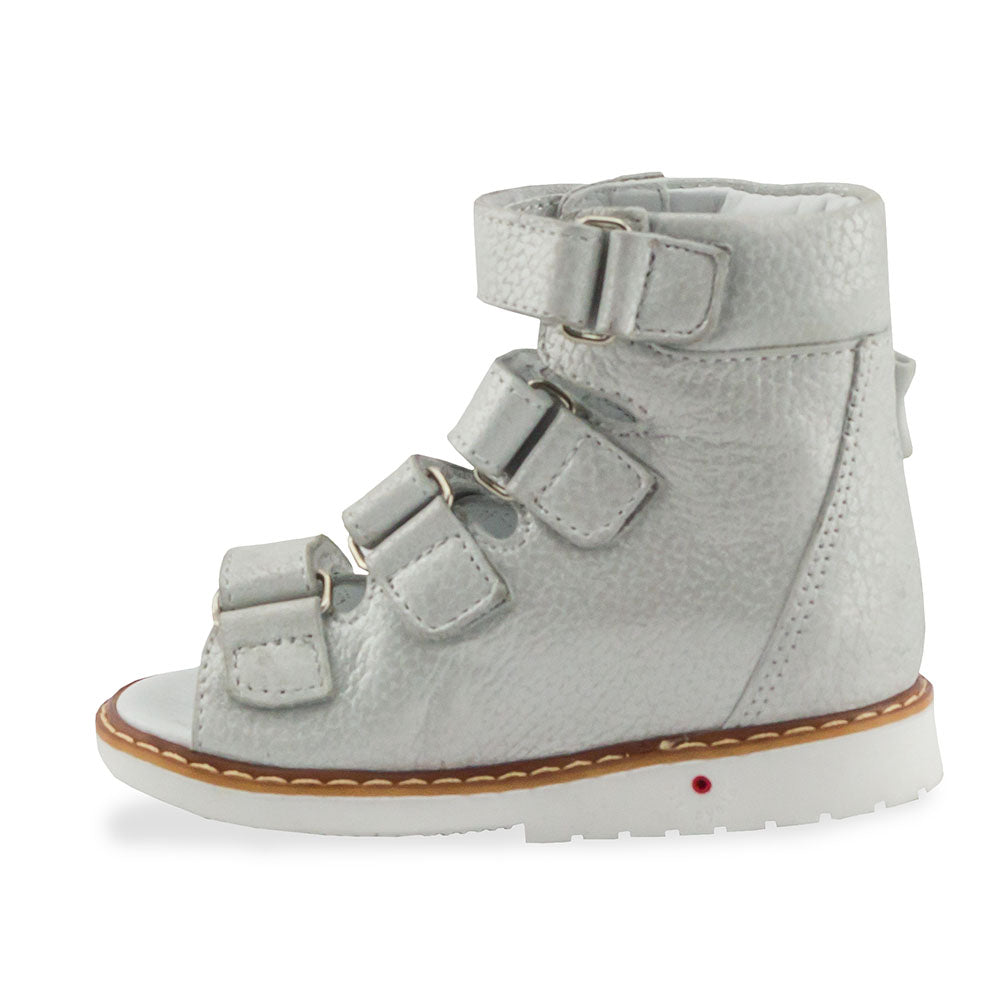
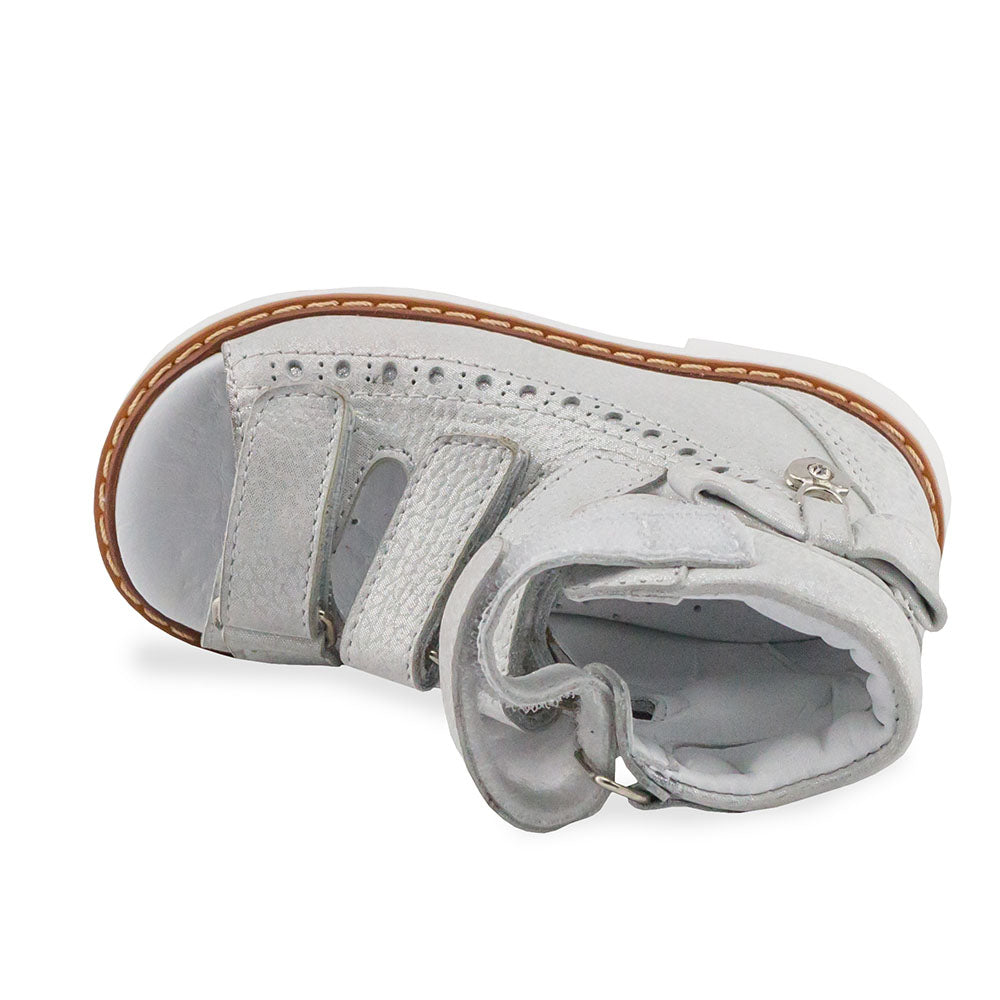
- Four independent straps cinch securely around slim feet
- Eliminates sliding that generates friction-induced sweating
- Open sandal architecture maintains maximum airflow
- Precise fit prevents compensatory toe-gripping that increases sweat
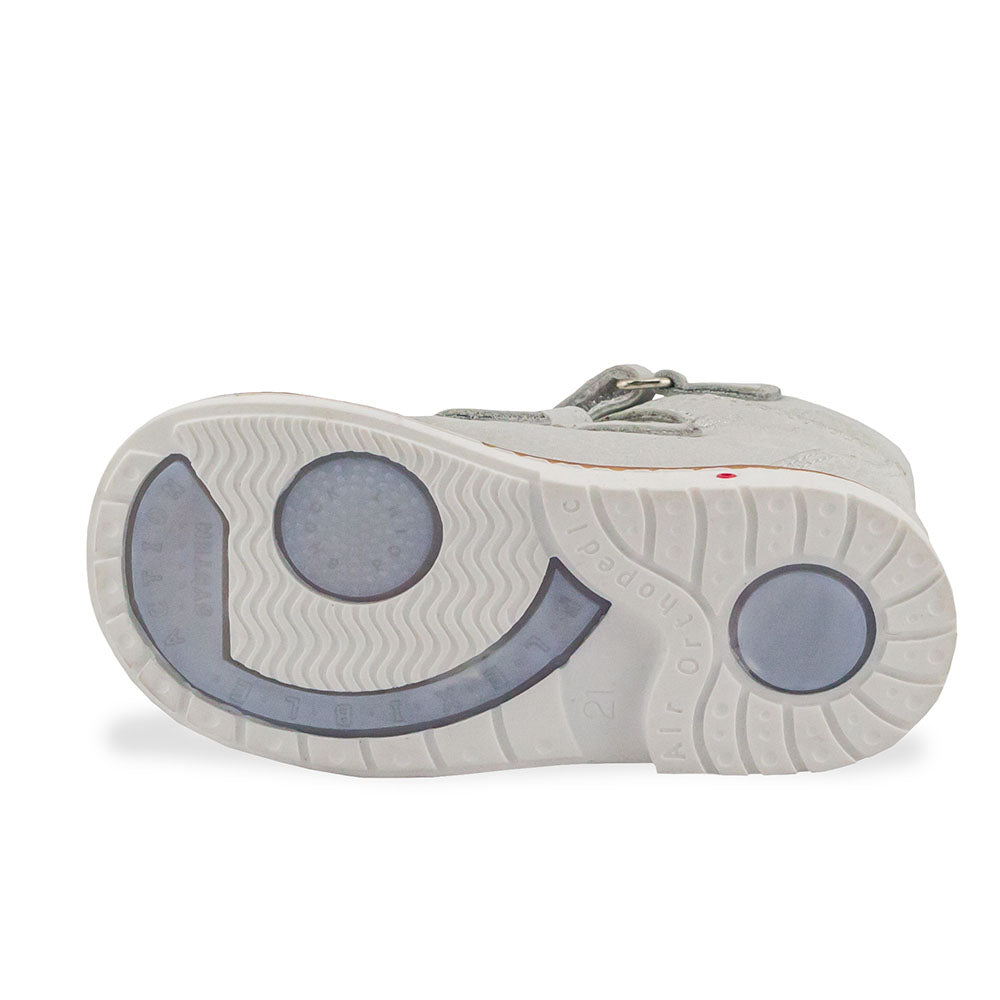
- Anti-bacterial insoles and air valves target odor development
Why they're a top choice
The Cluey Lucy's four-strap system addresses narrow feet specifically. Loose sandals seem breathable, but feet slide around, creating friction that causes sweating. These straps cinch full-grain leather securely, eliminating movement-related sweat while the open design maintains airflow.
This precise fit matters more than you'd think. Narrow-footed children develop compensatory movements in poorly-fitted shoes—toe-gripping and foot tensing—that increase perspiration. The Cluey Lucy eliminates those behaviors while keeping feet as ventilated as possible.
10
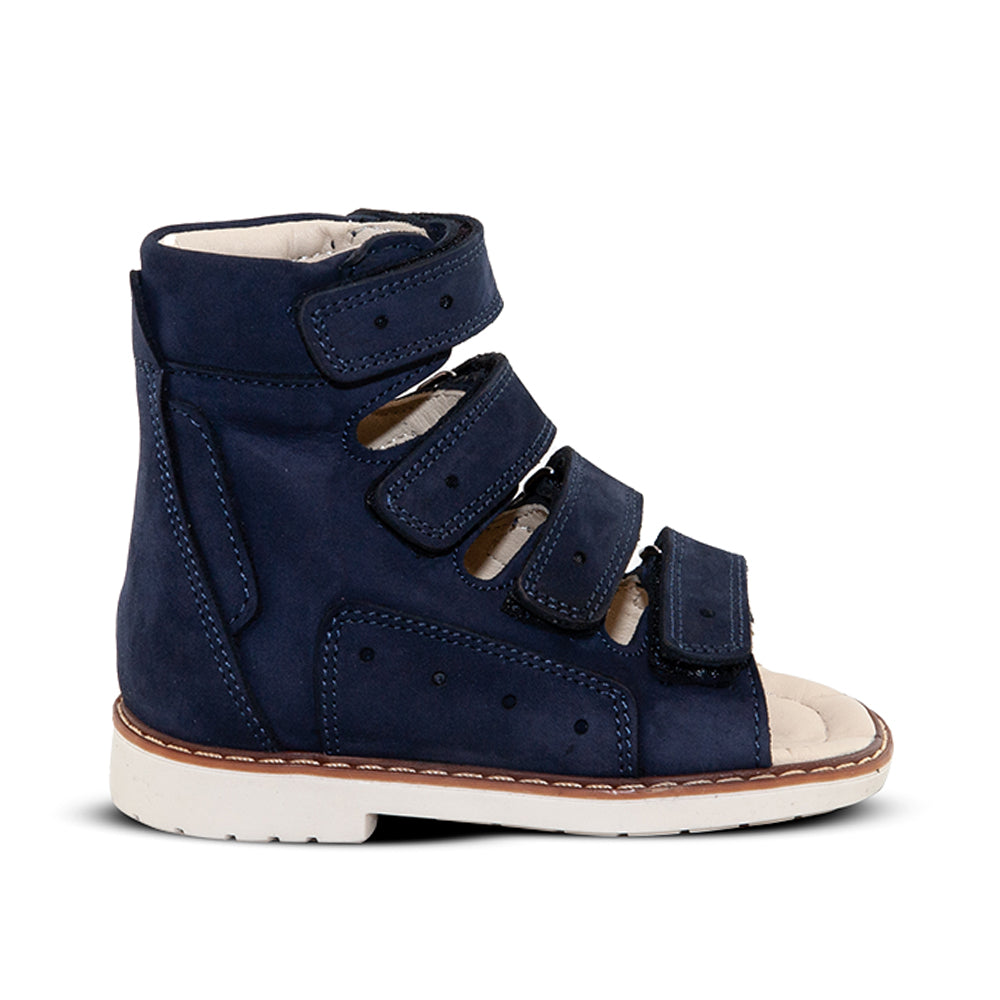
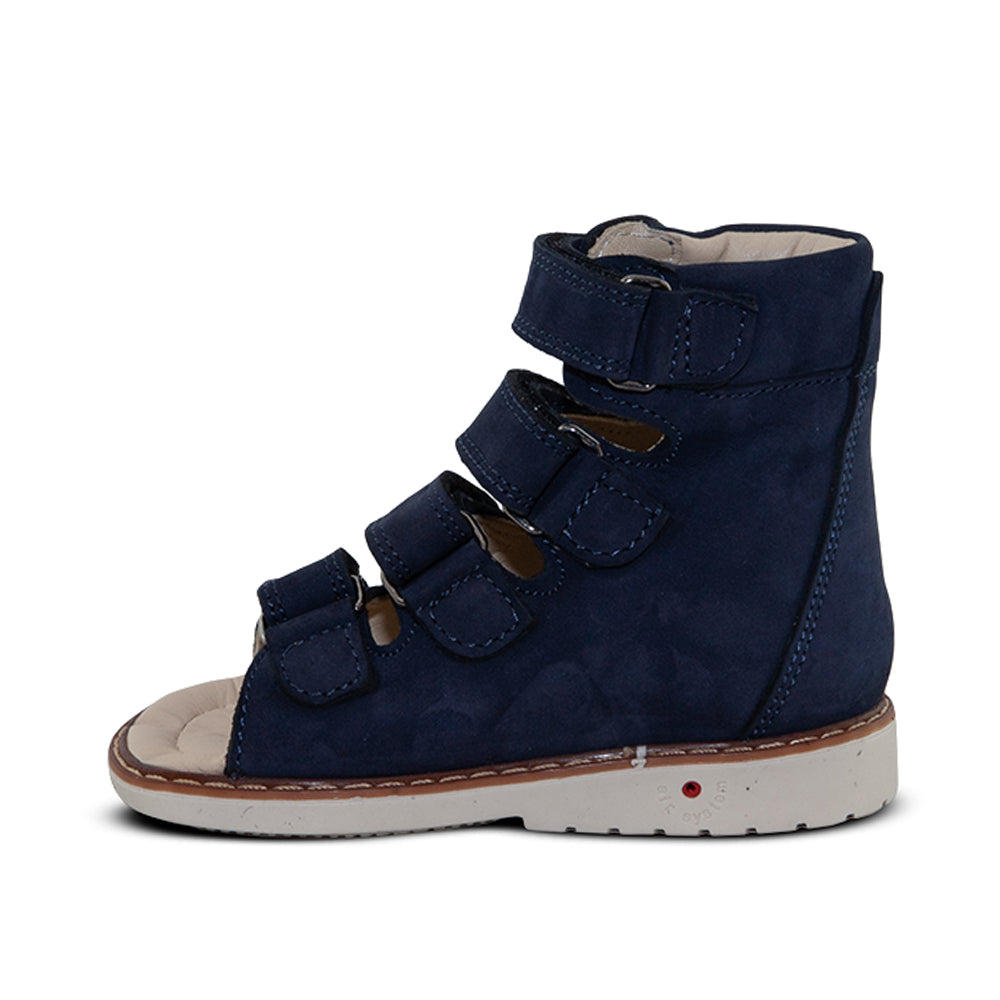
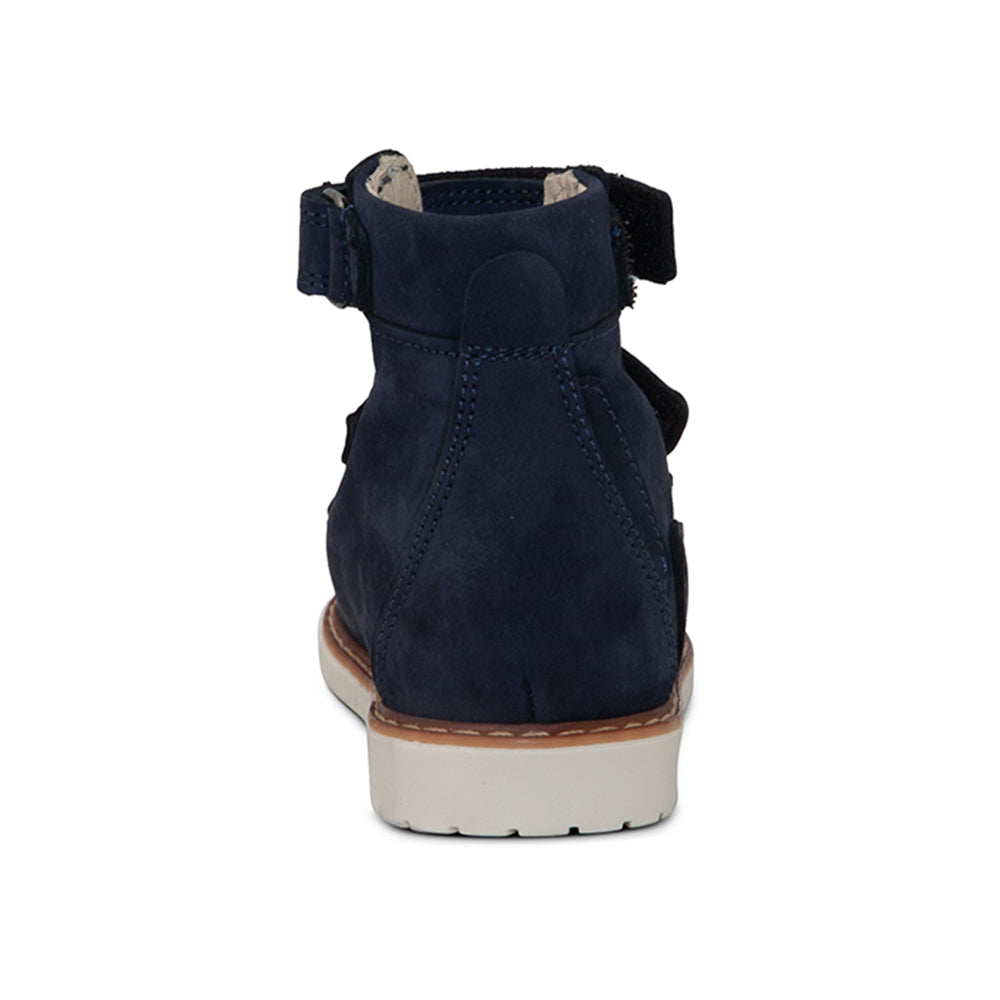
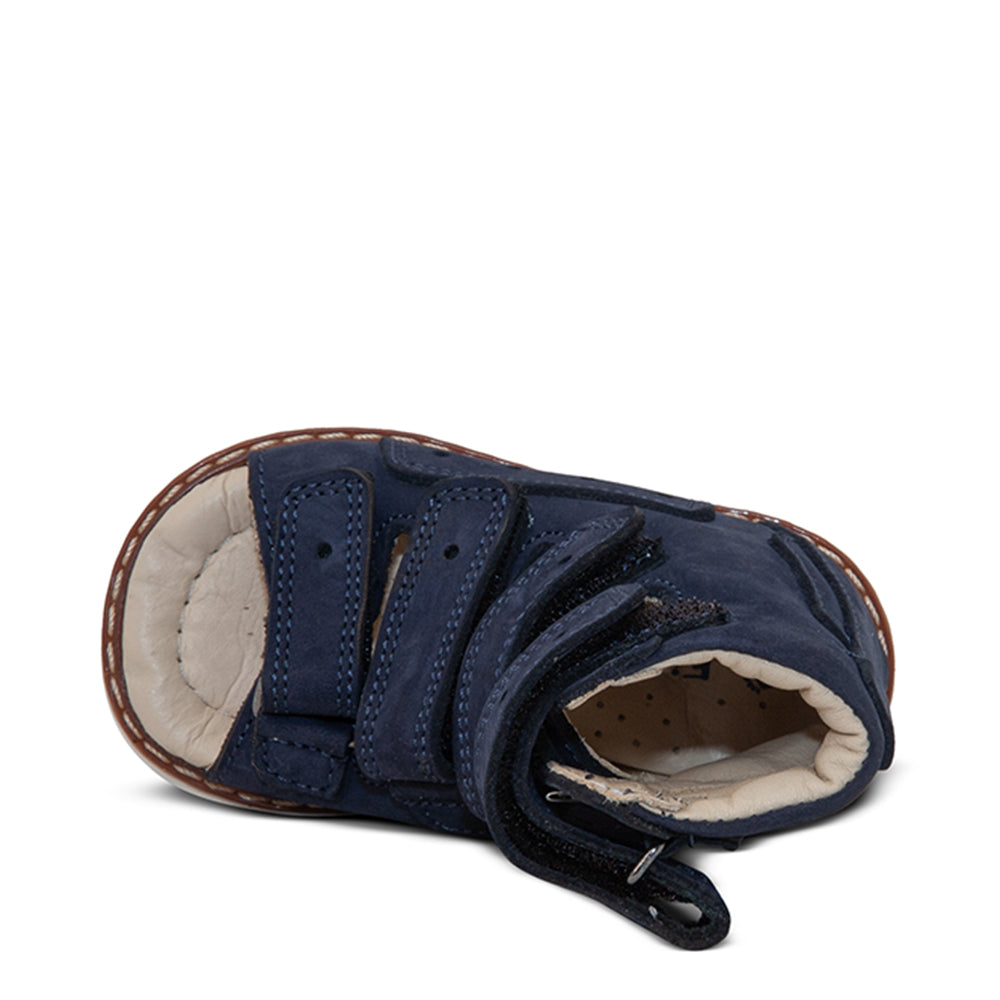
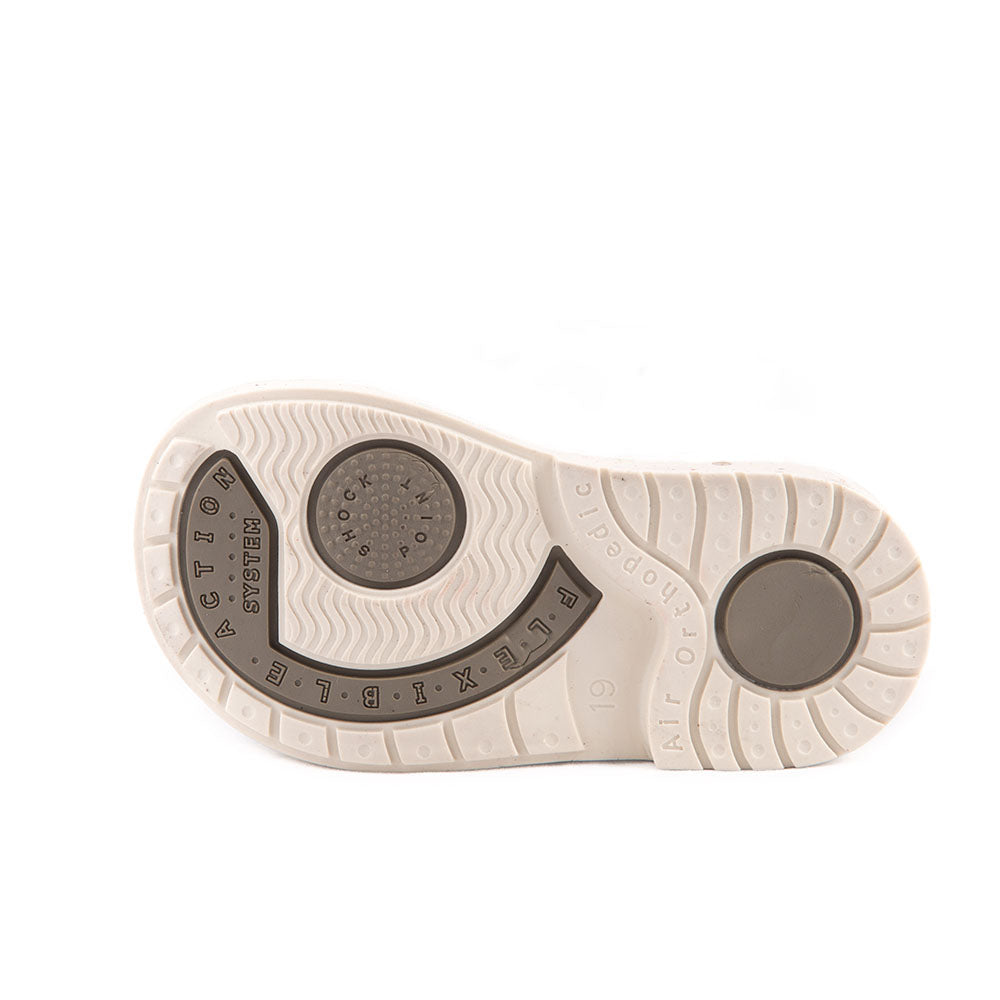
Neptune Evelyn Sandals
Wide-foot accommodation without sacrificing ventilation.
Type
Sandals
Material
Nubuck Leather
Sizes
18–30 (EU) | 2–11.5 (UK)
Benefits for kids needing breathable shoes
- Four straps adjust independently for wide foot contours
- Precise fit eliminates pressure points that trigger localized sweating
- Soft nubuck enhances vapor permeability
- Anti-bacterial insoles and air valves manage moisture
Why they're a top choice
The Neptune Evelyn delivers essential accommodation for wide feet without trapping moisture. Each strap adjusts independently, customizing fit to actual foot contours instead of forcing flesh into rigid structures.
This precise fit eliminates the pressure and friction that trigger sweating in poorly-fitted footwear. Wide feet contact more of the insole surface than narrow feet, making the anti-bacterial treatment and air valves proportionally more important. Perfect for wide-footed babies who need both comfort and freshness.
Getting Rid of Baby's Stinky Feet
Breathable baby shoes prevent stinky feet by addressing the root cause: trapped moisture where bacteria thrive. Natural materials like leather and canvas, strategic ventilation, and removable insoles keep feet genuinely fresh instead of just masking odors temporarily.
The Petit Coralie offers the most comprehensive all-day moisture management for babies who wear shoes 8+ hours during daycare, while the Dandy Dominic provides maximum cooling ventilation for hot summer days. Both tackle odor at multiple levels so feet stay fresh even during active play.
End Stinky Feet
Explore our collection of genuinely breathable footwear designed for little feet.
References
1. Why do feet stink? (for kids). (n.d.). Nemours KidsHealth. https://kidshealth.org/en/kids/feet-stink.html
2. Callewaert, C., De Maeseneire, E., Kerckhof, F., Verliefde, A., Van De Wiele, T., & Boon, N. (2014). Microbial Odor Profile of Polyester and Cotton Clothes after a Fitness Session. Applied and Environmental Microbiology, 80(21), 6611–6619. https://doi.org/10.1128/aem.01422-14
FAQs
Why do my baby's feet smell so bad?
Bacteria on skin break down sweat into smelly compounds. Each foot has 250,000 sweat glands, and when shoes trap that moisture, bacteria multiply rapidly and create that odor. The sweat itself doesn't smell—it's the bacterial waste products.
Do synthetic shoes make foot odor worse?
Yes. Research shows polyester produces significantly more intense odors than cotton. Synthetic materials trap moisture against skin and actually absorb more of the oils bacteria feed on, creating worse smells even when they seem dry.
Can I just wash the shoes to fix the smell?
Sometimes, but it's temporary if the shoes trap moisture. Machine-washable synthetic shoes often dry quickly but trap more moisture during wear, potentially worsening the problem. Better solution: breathable leather with removable, washable insoles.
How often should I rotate baby shoes?
Daily for persistent odor issues. A single pair worn every day never fully dries, creating perpetually damp conditions that sustain bacteria indefinitely. Two pairs alternating daily allows 48-hour drying cycles that break the moisture-bacteria cycle.
Should babies wear socks with breathable shoes?
Yes, but choose natural fibers. Merino wool, bamboo, or cotton blends absorb sweat and release it gradually. Polyester socks trap humidity against skin and accelerate bacterial growth, undermining even the best breathable shoes.