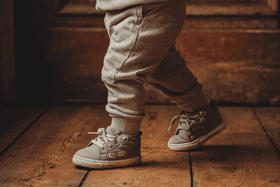
10 Best Ankle Support Shoes for Toddlers: Stable First Steps
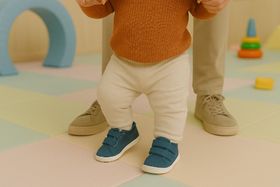
Toddlers need ankle support because their feet are mostly cartilage and their balance systems are still developing. The right shoes provide external stability during this stage while allowing natural movement and strength building.




Updated August 7, 2026
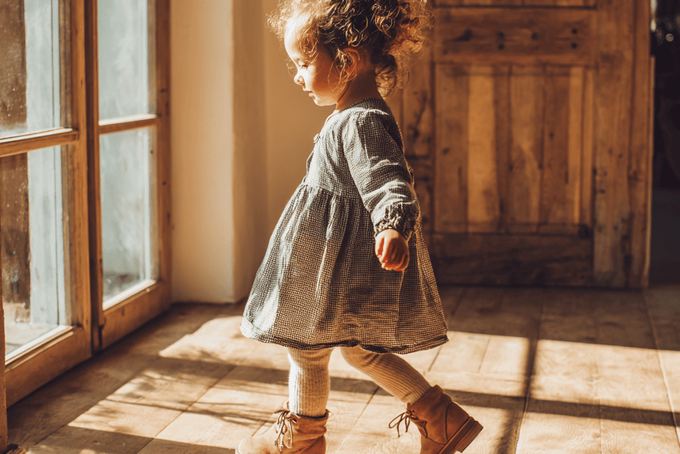
AI Summary


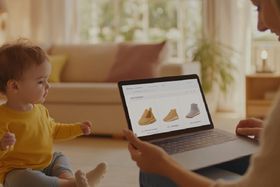
Your toddler just started walking, but every few steps end with a wobble, a stumble, or a full sit-down. If it seems like their ankles roll inward, you're probably wondering if the right shoes could help them feel steadier and confident.
Ankle support matters more during these early walking months than at any other time. Your toddler's feet are mostly cartilage right now, and their balance systems are learning on the job [1]. Good ankle support shoes for toddlers provide external stability while those systems mature, reducing falls and building the confidence they need to keep practicing.
Our Top Picks for Best Ankle Support Shoes for Toddlers
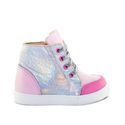
Iris Charm Sneakers
High-top with dual closure and shock-absorbent sole.
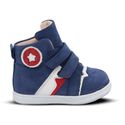
Cap Levi Sneakers
Dual Velcro with extended ankle support and nubuck durability.
Ivory Abi Sneakers
High-top with grip sole for tile and hardwood surfaces.
Show more
Why Toddlers Need Ankle Support Shoes
Your toddler's feet are about 80% cartilage right now [1]. The bones are still forming and won't fully harden until they're much older. That soft structure means their feet need external help staying stable during these crucial early walking months.
Here's what's happening when toddlers' feet develop:
- Wide-based gait for balance
- Flat-footed stepping instead of heel-to-toe
- Arms held high for stability
- Frequent falls as their system learns
Proper ankle support provides the external stability that toddlers' with developing bones and immature balance systems from a wide gait can't yet provide on their own.
What Happens Without Proper Ankle Support
When your toddler wears shoes that don't provide enough stability, their bodies compensate in ways that can affect natural gait development. You might notice:
- Shoes wearing down unevenly (especially at the toes)
- Your child getting tired quickly after walking
- Audible foot slaps on hard floors
- More tripping and falling than seems typical
- One area of the shoe is breaking down faster than others
These signs tell you the shoes aren't doing their job. Your toddler's developing body is working overtime to make up for the lack of support, which can delay the natural progression toward mature walking patterns.
Key Features in Ankle Support Shoes for Toddlers
- Firm Heel Counter for Stability: Holds the heel securely to prevent side-to-side slipping. Should resist compression without being too hard or too soft.
- High Shaft Height for Ankle Containment: Wraps around the ankle to limit rolling while allowing natural bending. Balanced support without restricting movement.
- Non-Slip Outsoles That Actually Grip: Textured rubber with good tread prevents sliding but remains flexible at the ball of the foot for stability and natural motion
- Secure Fastening Systems: Shoes with Velcro, laces, or buckles keep feet locked in place and allow an adjustable fit for swelling during play
What to Avoid in Toddler Ankle Support Shoes
- Overly Rigid Shoes That Prevent Movement: Block essential ankle motions needed for strength and coordination, weakening muscles instead of supporting them.
- Slippery or Worn Outsoles: Lack grip and cause unpredictable footing, leading to falls, fatigue, and potential ligament strains.
- Fashion-Forward Designs That Sacrifice Function: Elevated heels, platforms, and heavy decorations raise the center of gravity and disrupt natural walking mechanics. Always prioritize function over style
10 Best Ankle Support Shoes for Toddlers
1

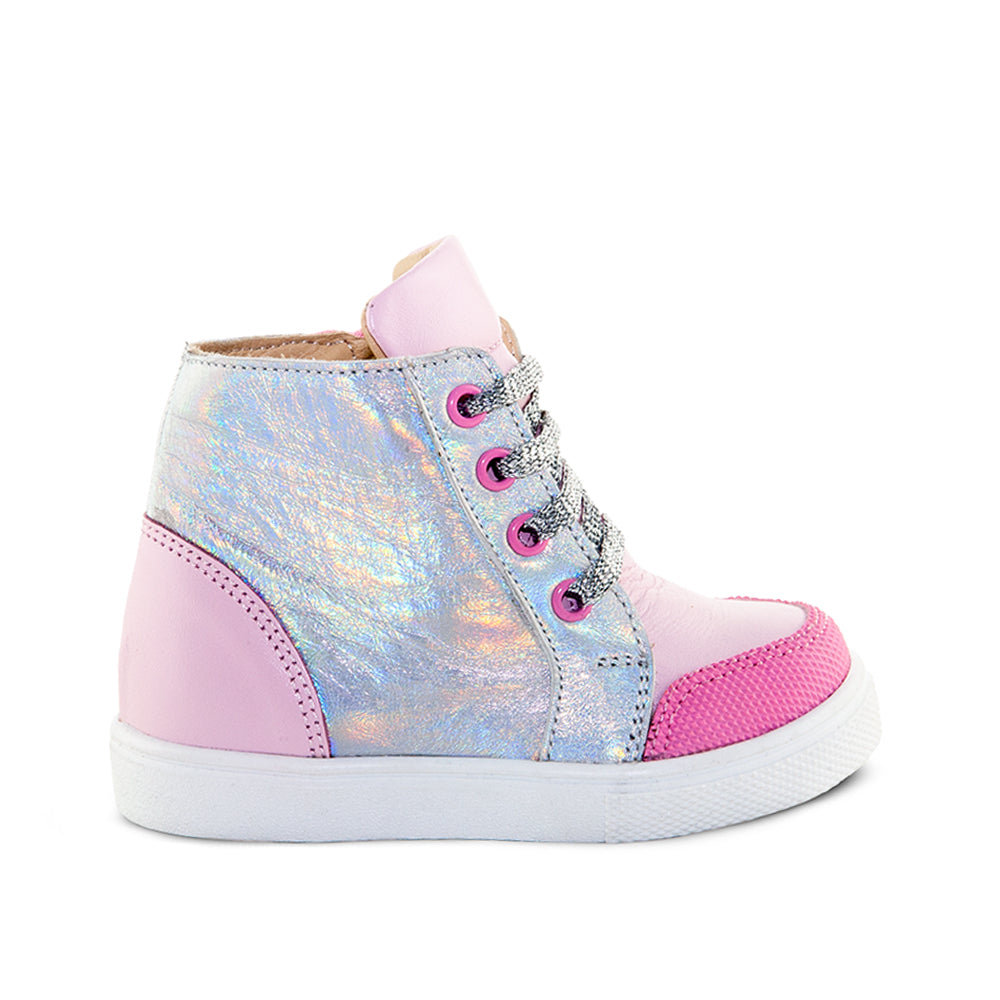
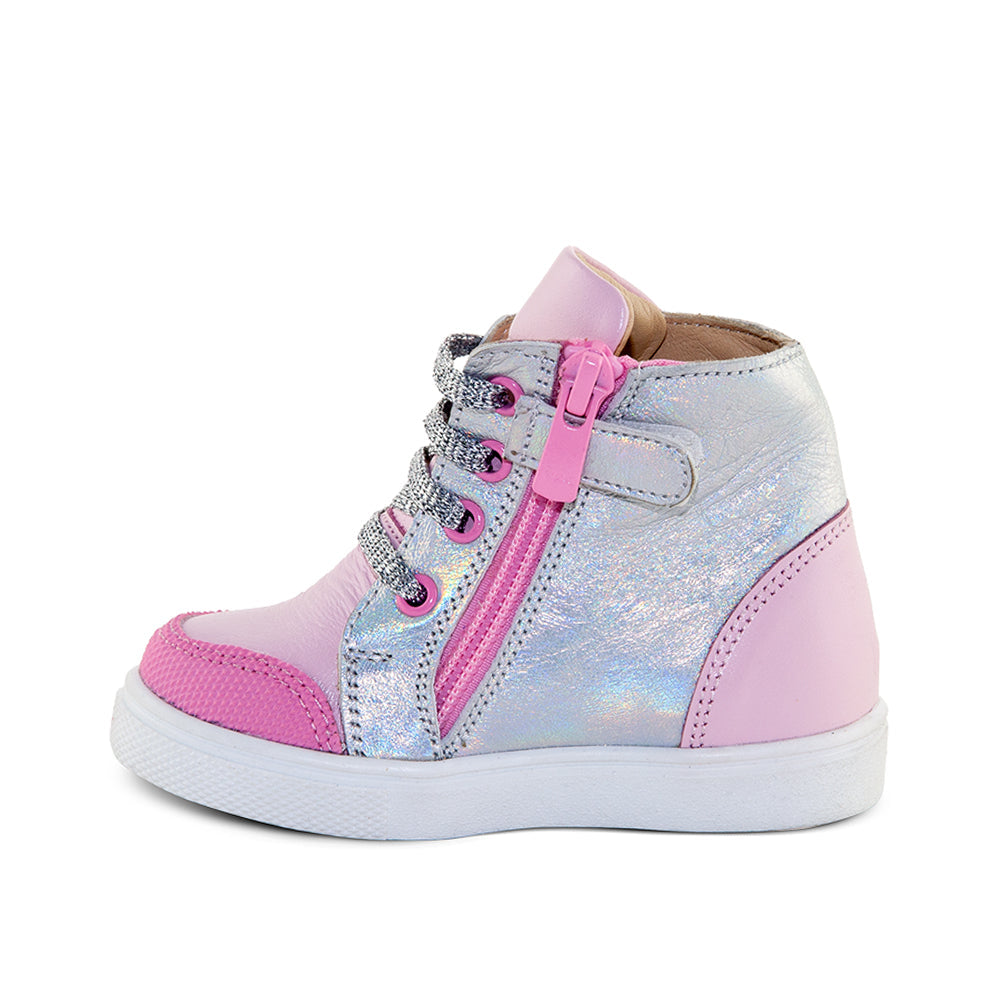
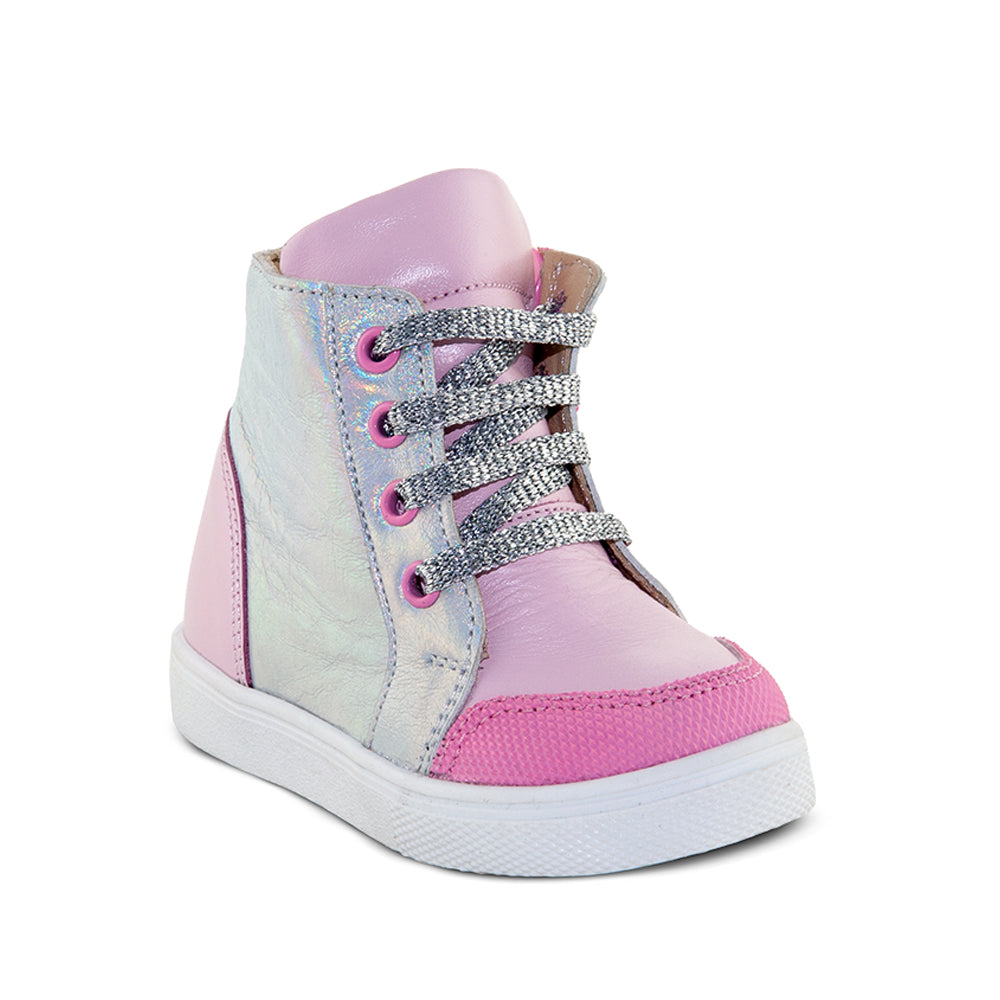
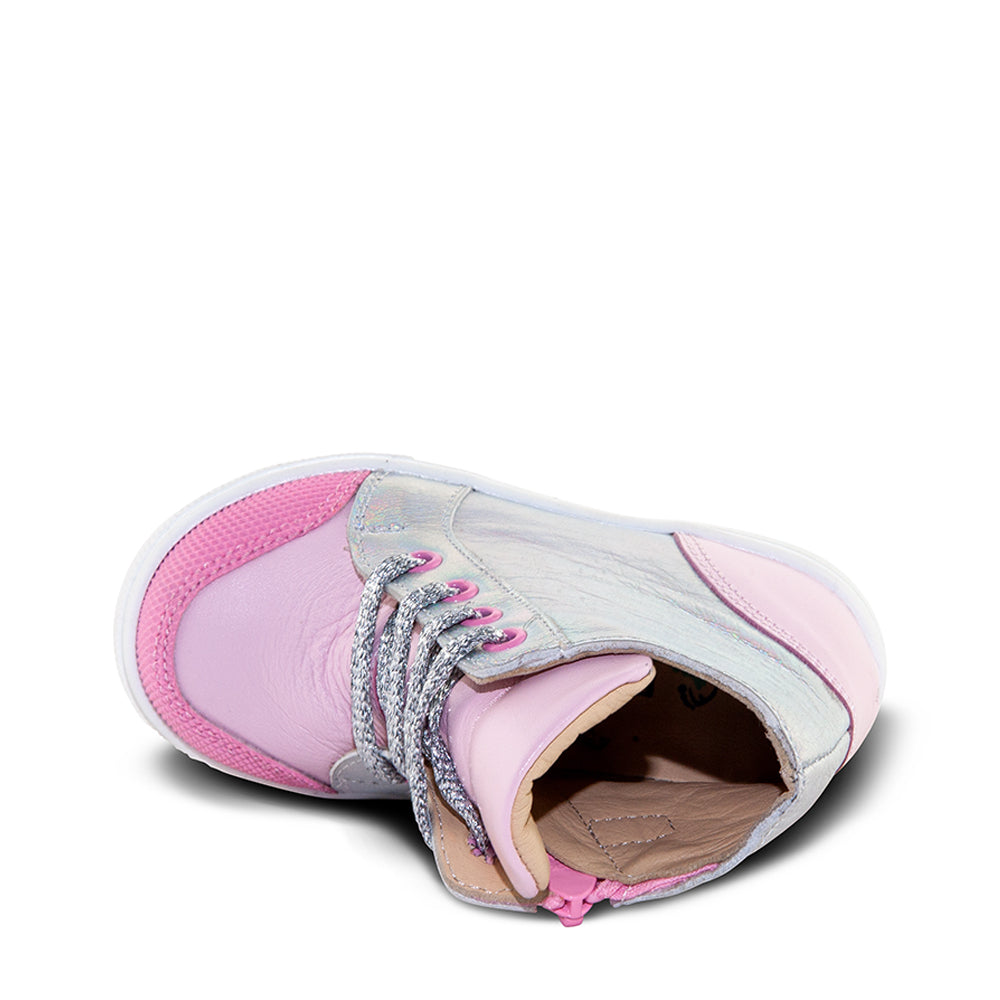
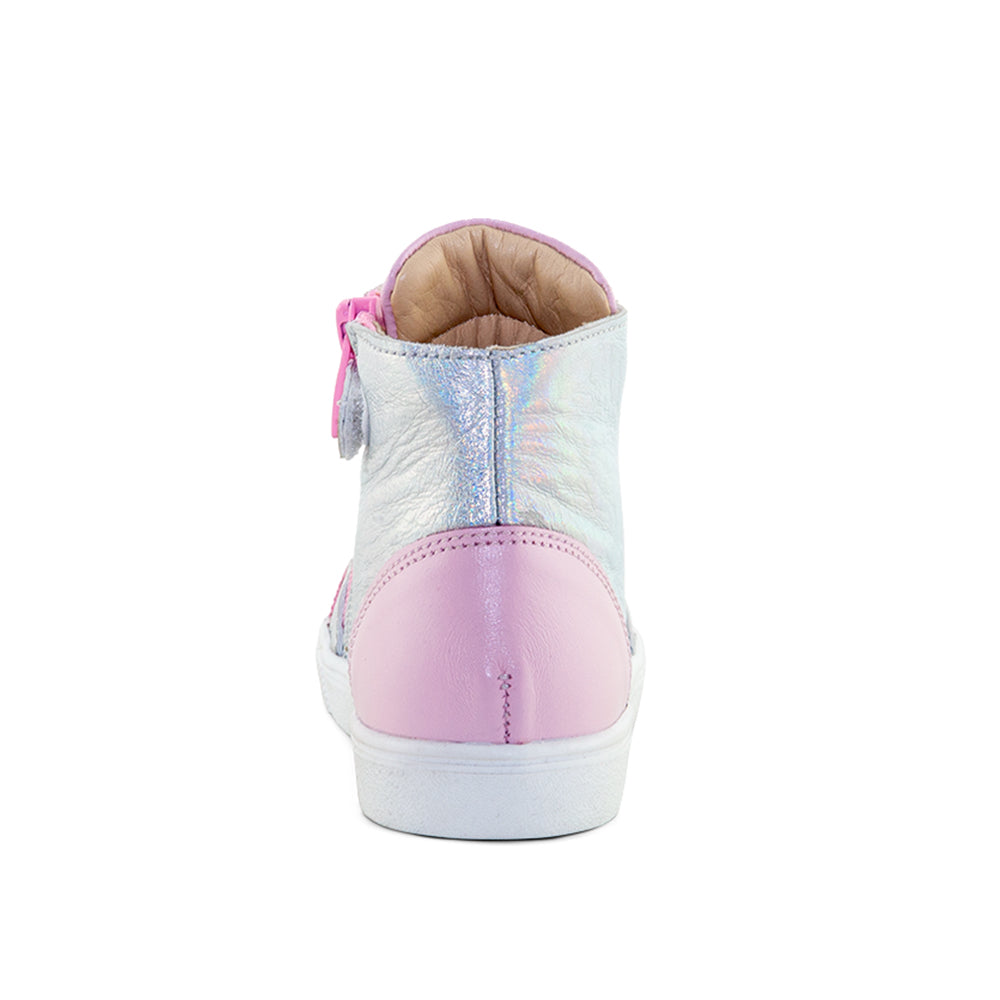
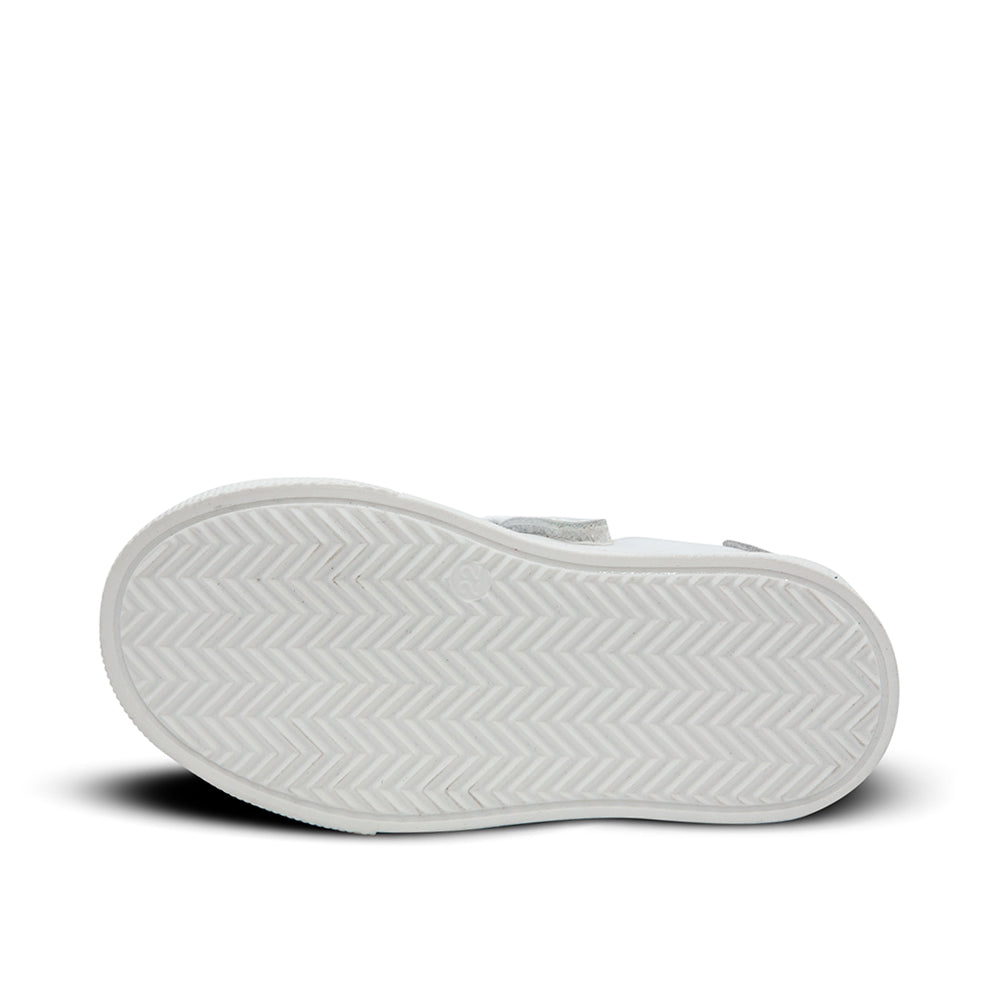
Iris Charm Sneakers
All-day support for home, daycare, and playground.
Type
Sneakers
Material
Leather
Sizes
18–30 (EU) | 2–11.5 (UK)
Benefits for kids needing ankle support
- High-top wraps ankles in supportive leather
- Built-in arch keeps feet properly aligned
- Cushioned sole protects joints during those repetitive heel strikes
- Laces plus side zipper—set the fit once, then zip daily
- Insole comes out if you need custom orthotics later
Why they're a top choice
The Iris Charm is your reliable everyday shoe when your toddler needs ankle support. The high-top design keeps ankles stable while the leather holds its shape through hours of wear. It handles everything from morning routines to afternoon playground time without losing support.
What makes it special? That dual-closure system. Get the laces just right once, then use the side zipper every day for quick on-off. No more wrestling with laces during diaper changes or when you're rushing out the door.
2
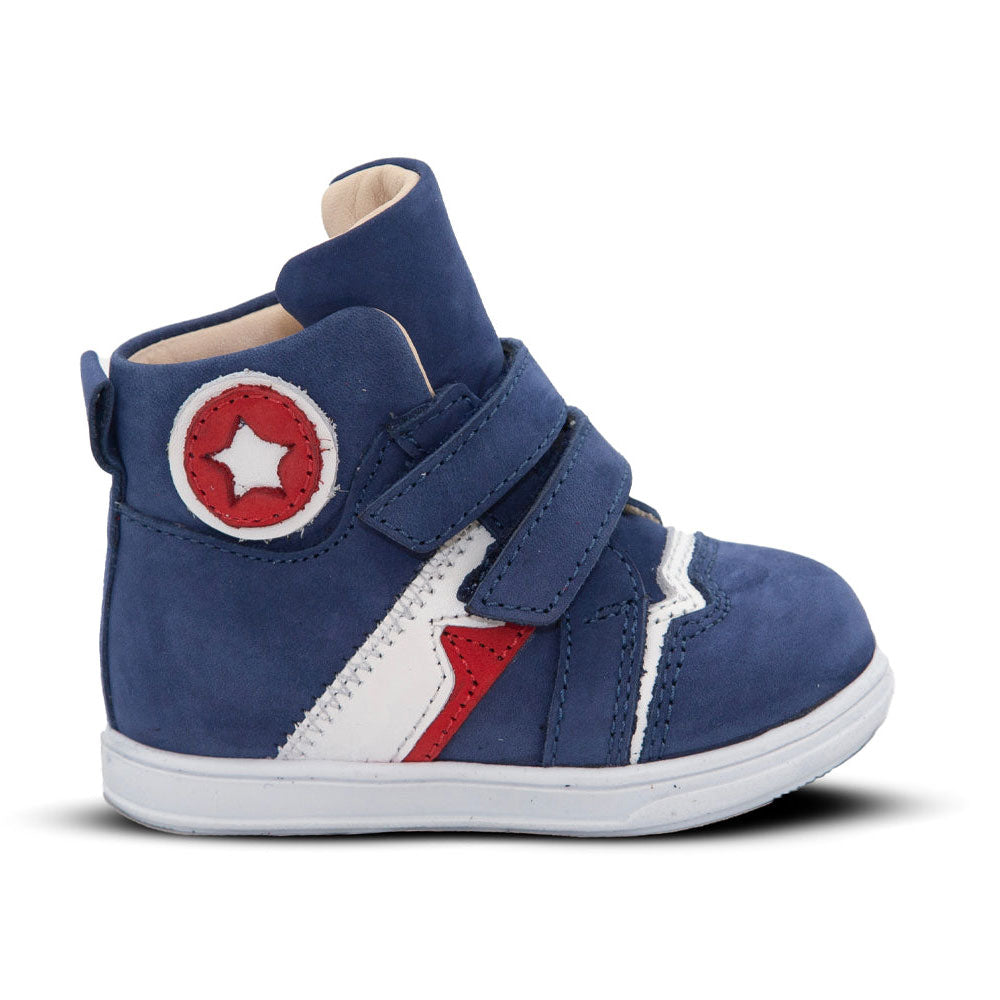
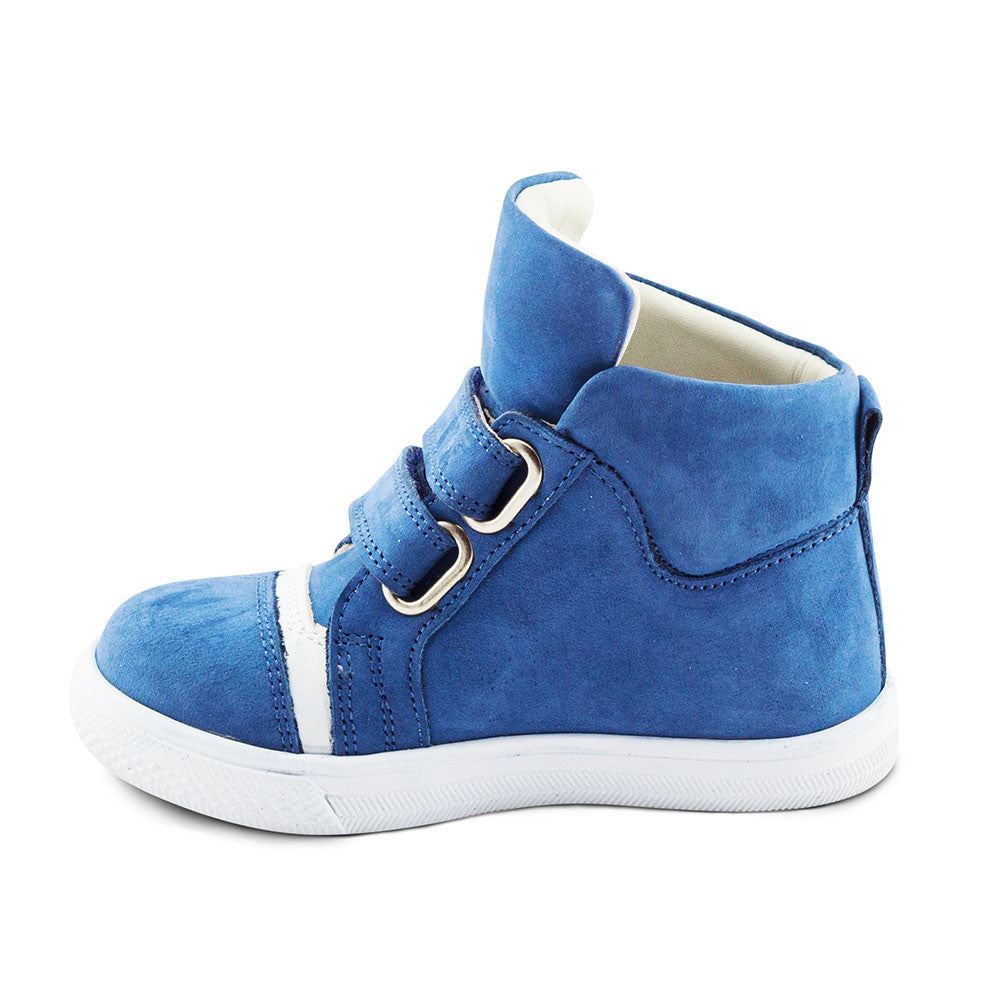
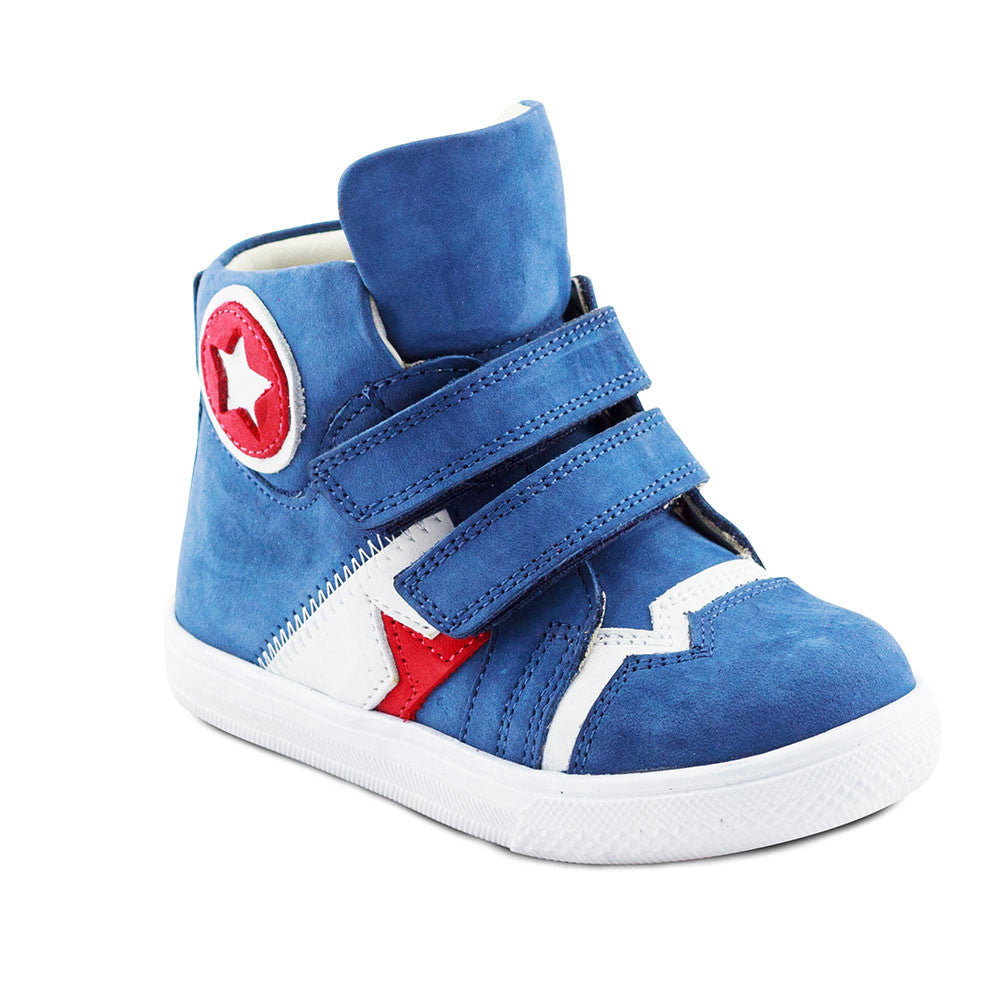
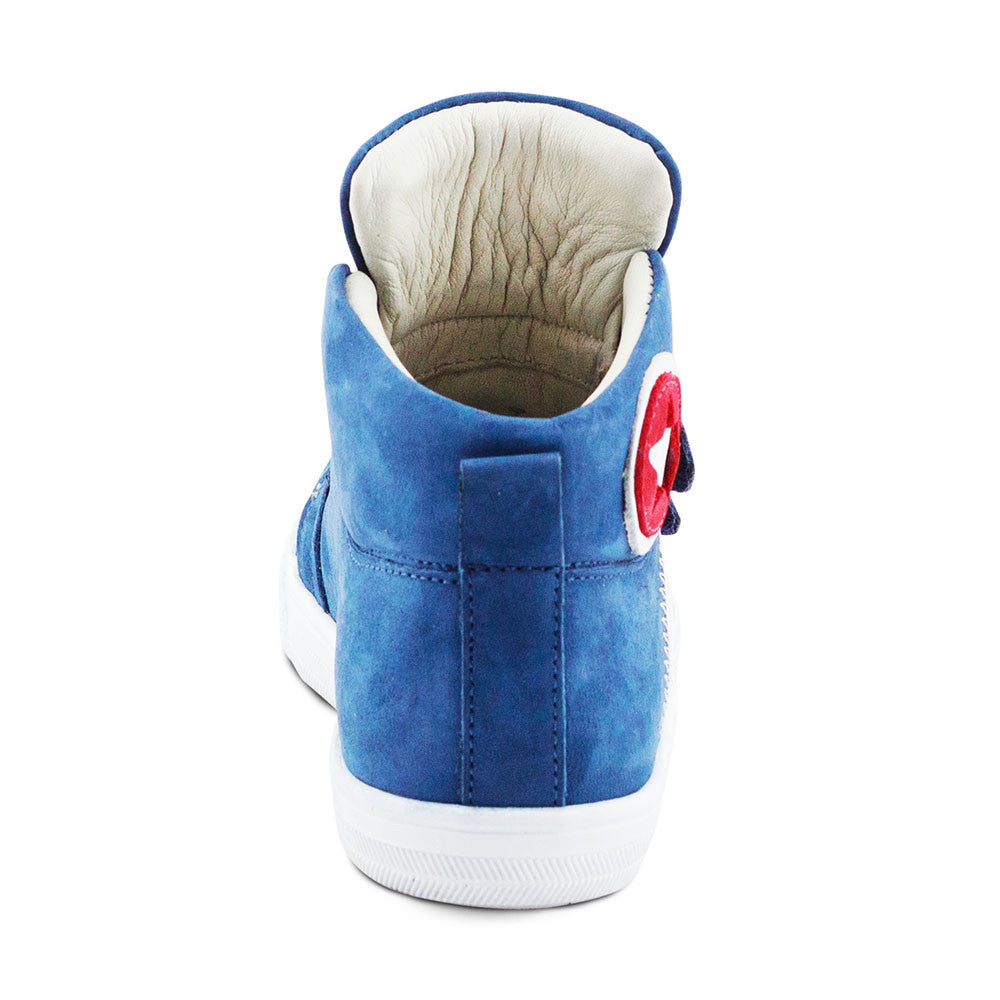
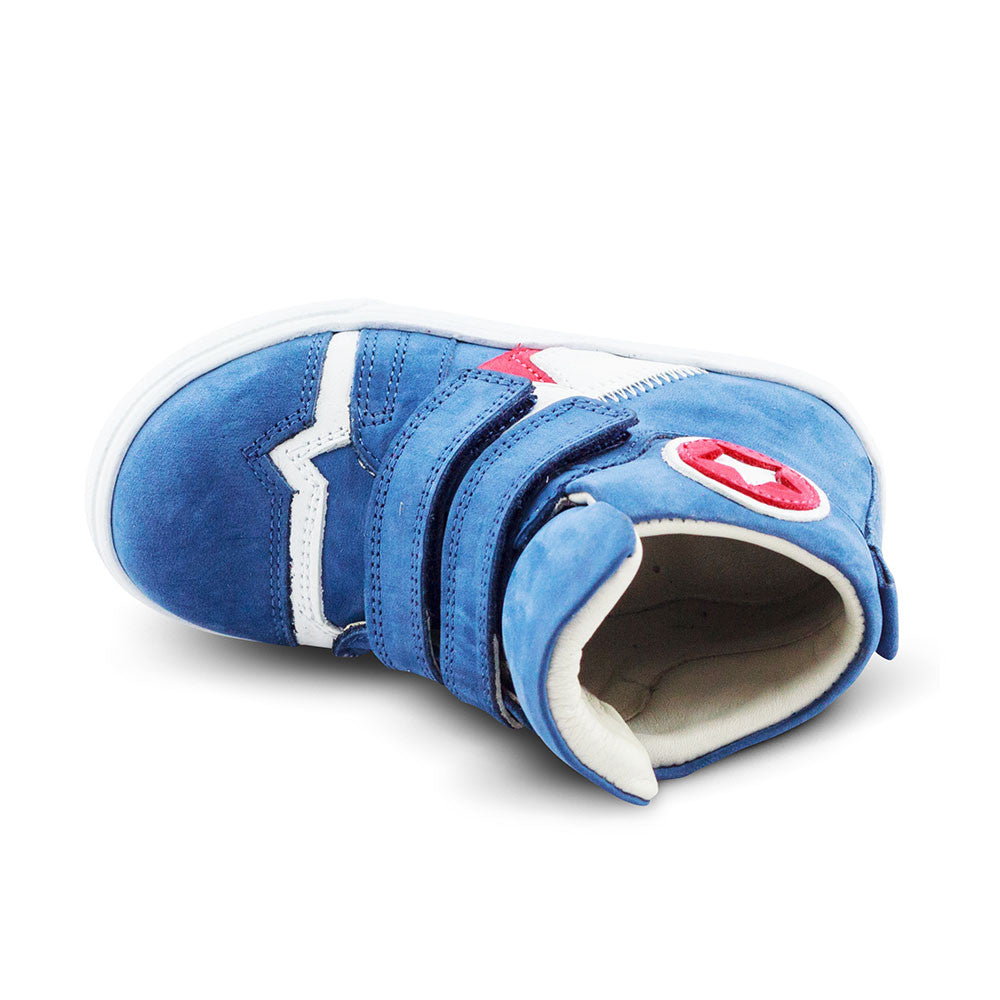
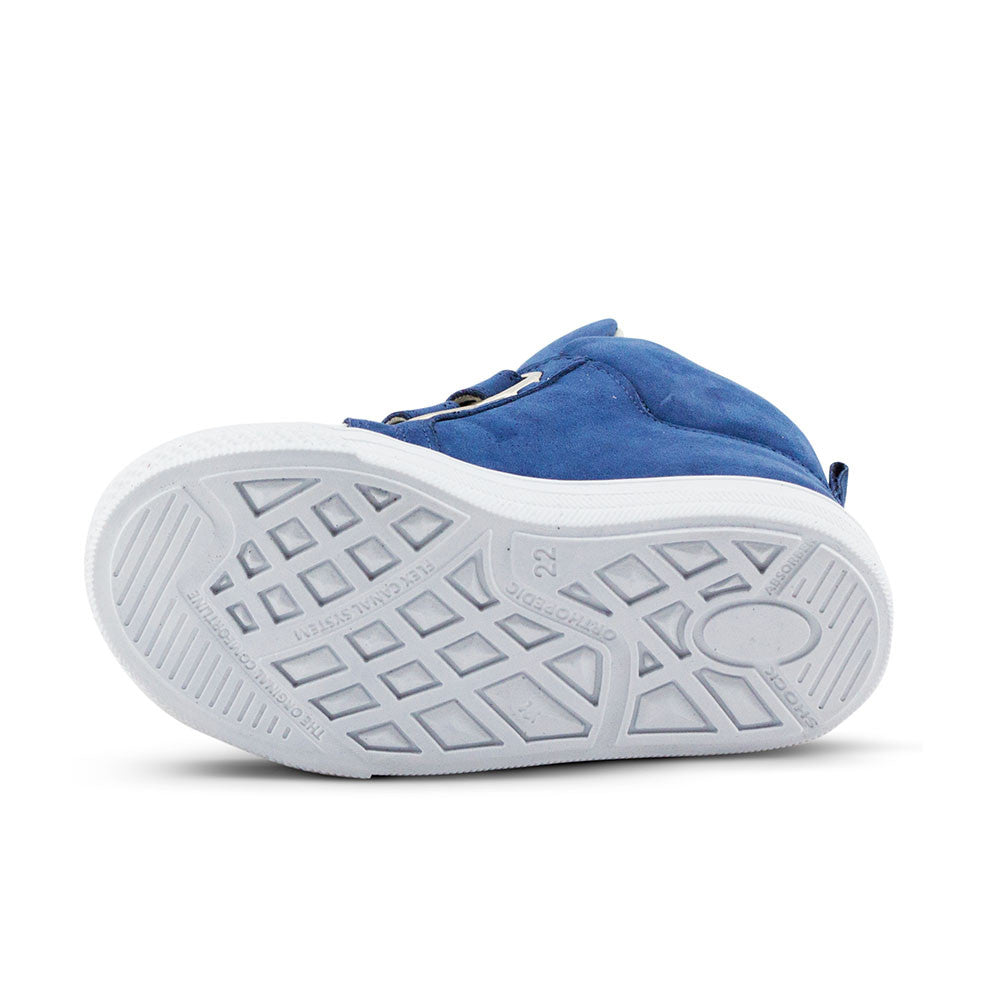
Cap Levi Sneakers
Locks in stability for climbers and runners.
Type
Sneakers
Material
Nubuck Leather
Sizes
18–30 (EU) | 2–11.5 (UK)
Benefits for kids needing ankle support
- Two Velcro straps lock heels firmly in place
- Extended ankle support molds to your child's shape
- Built-in arch stops that prevent inward ankle rolling
- Cushioned outsoles handle jumps and rough play
- Star decorations make reluctant kids want to wear them
Why they're a top choice
The Cap Levi targets toddlers who've graduated from tentative steps to full-speed running and climbing. Those two Velcro straps keep everything secure, even when feet swell during active outdoor play.
Active kids are tough on shoes. The Cap Levi's nubuck construction survives playground slides and climbing frames, while the dual straps let you adjust throughout the day. This shoe keeps up with your child's advancing skills instead of wearing out after a few weeks
3
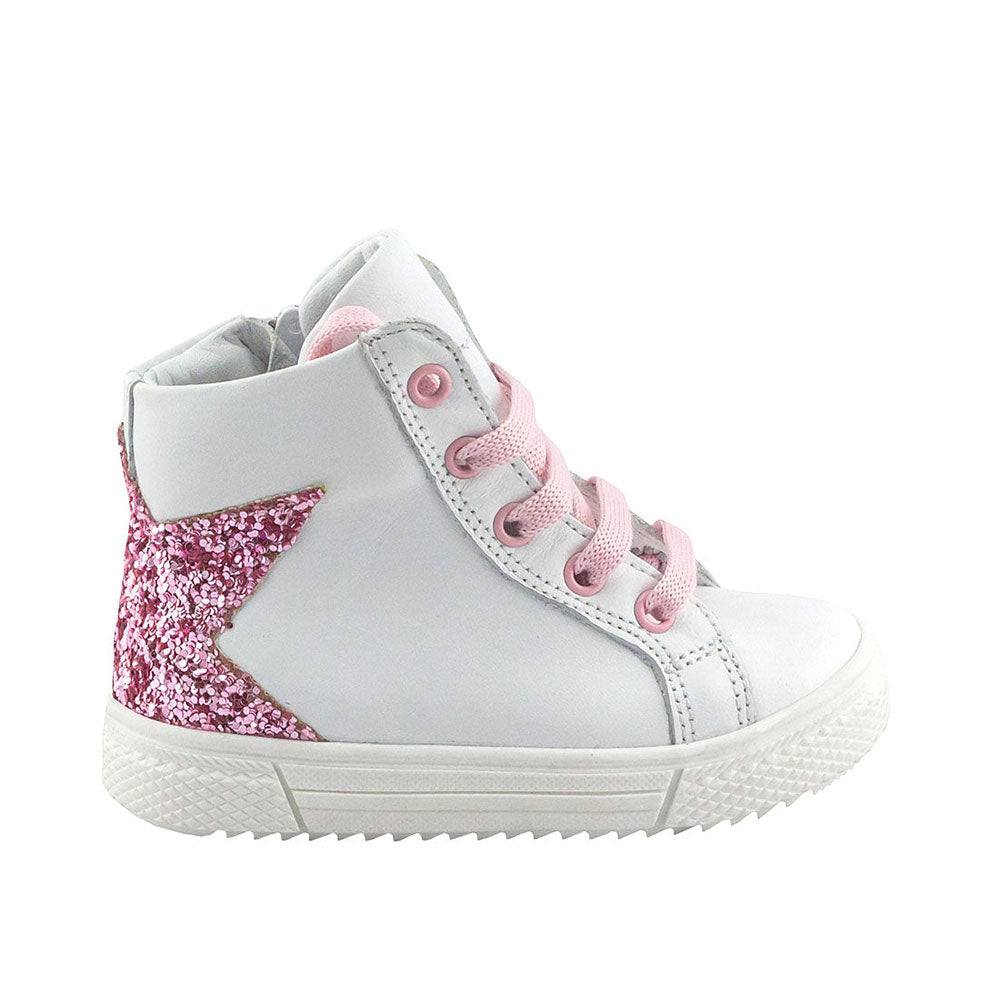
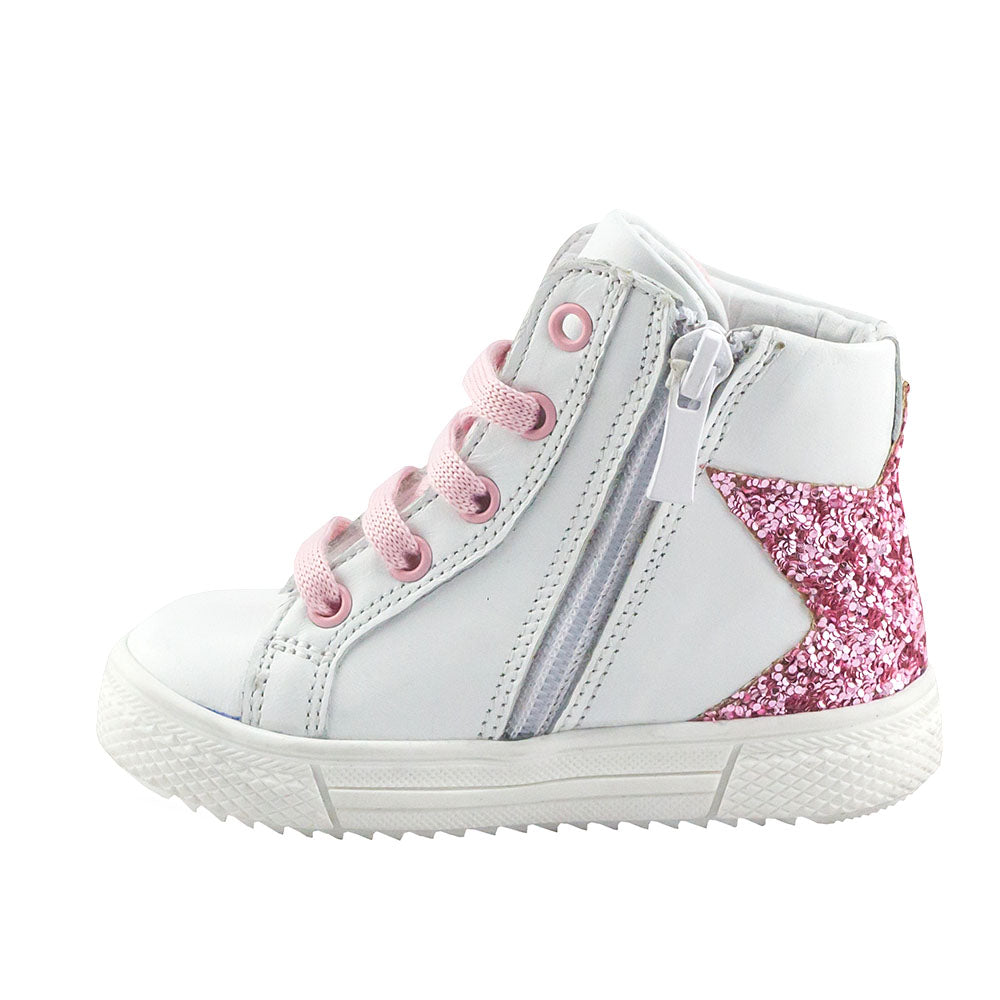
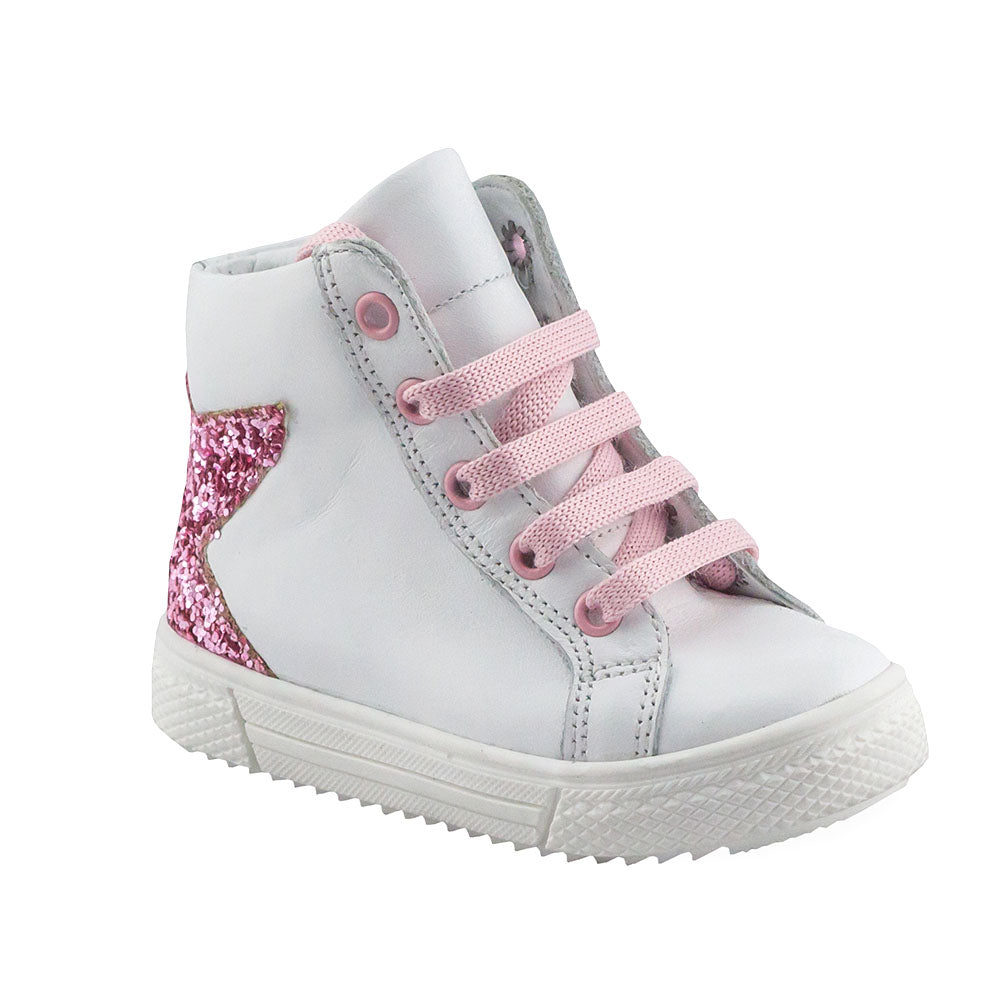
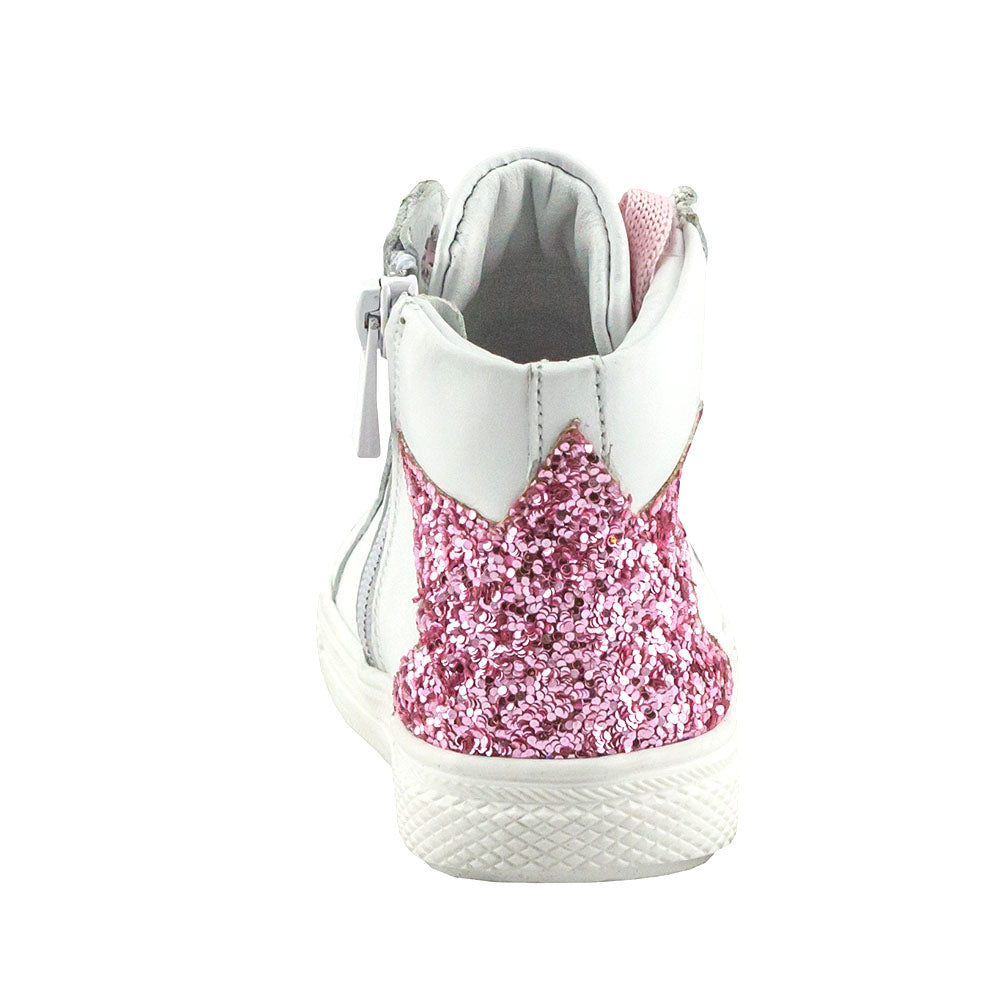
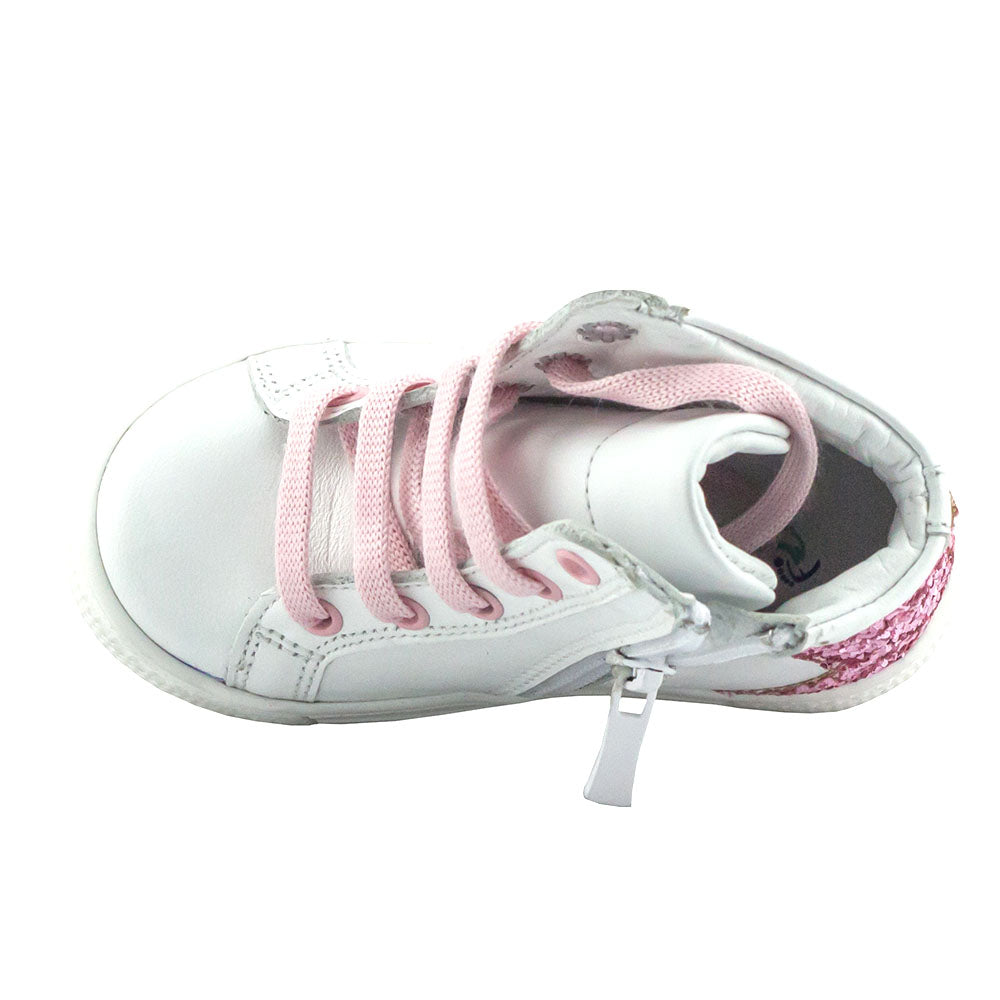
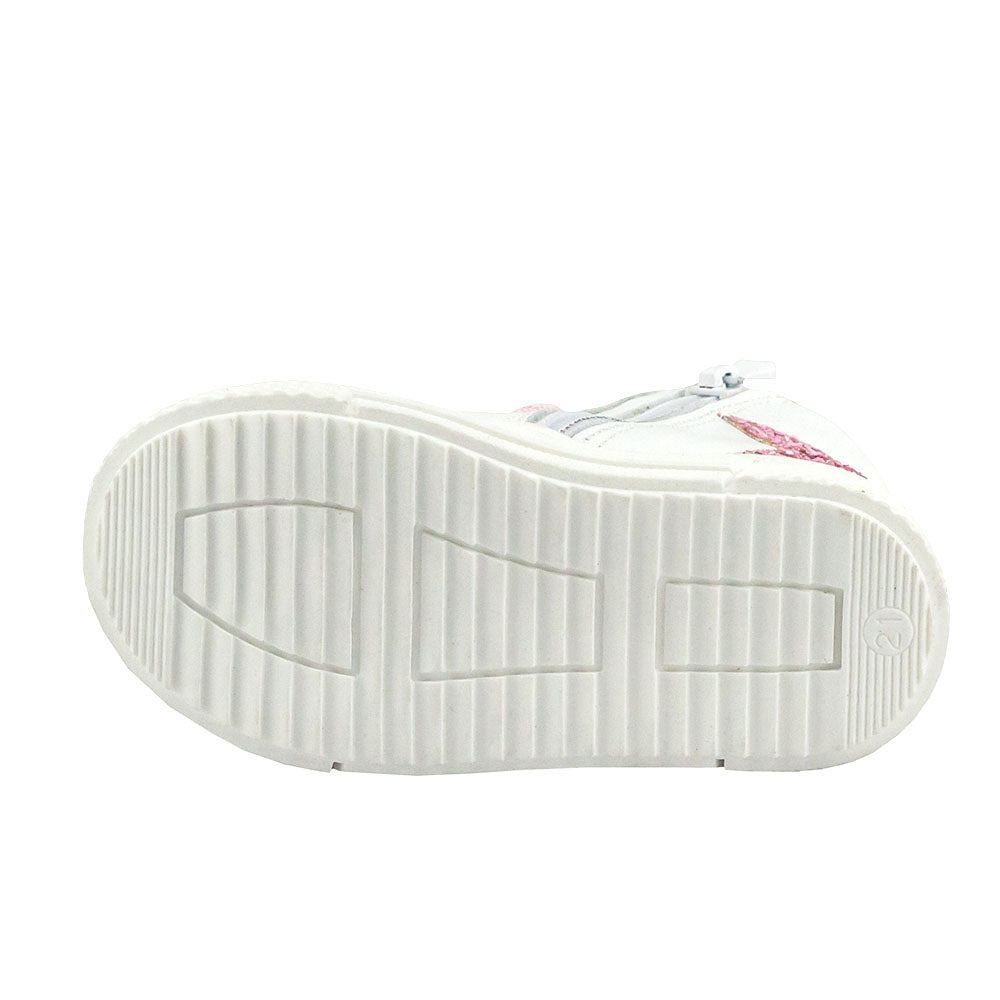
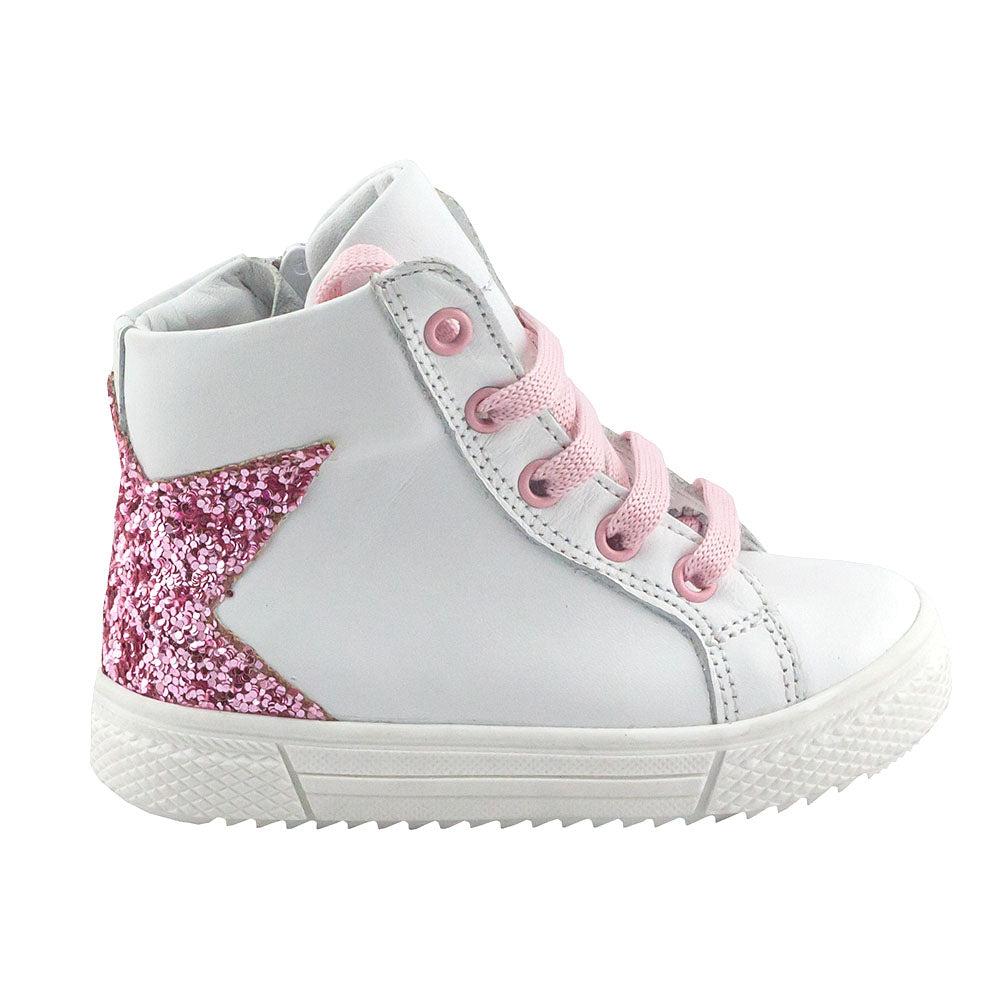
Ivory Abi Sneakers
Serious grip for slippery tile and hardwood.
Type
Sneakers
Material
Leather
Sizes
18–30 (EU) | 2–11.5 (UK)
Benefits for kids needing ankle support
- High-top leather stabilizes ankles when turning quickly
- Special sole designed specifically for indoor floors
- Built-in arch keeps feet aligned on hard surfaces
- Cushioning protects against hard falls indoors
- Classic white goes with everything
Why they're a top choice
The Ivory Abi tackles slippery indoor floors head-on—those hardwood and tile surfaces where toddlers spend most of their time. These environments combine slick surfaces with hard landings, so small slips can turn into real falls quickly.
The sole prevents those sudden foot slides that twist ankles unexpectedly. Think of it as your dedicated indoor shoe that treats home and daycare floors as seriously as outdoor terrain, without leaving scuff marks everywhere.
4
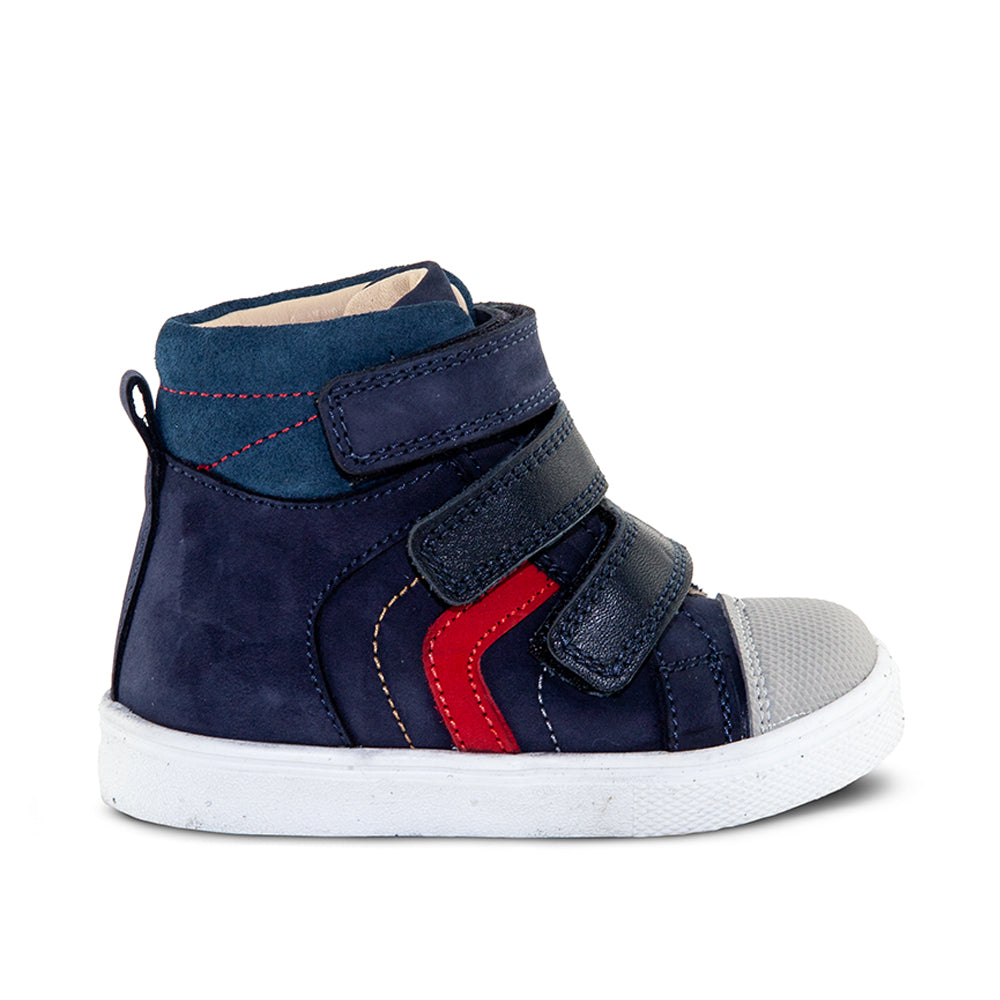
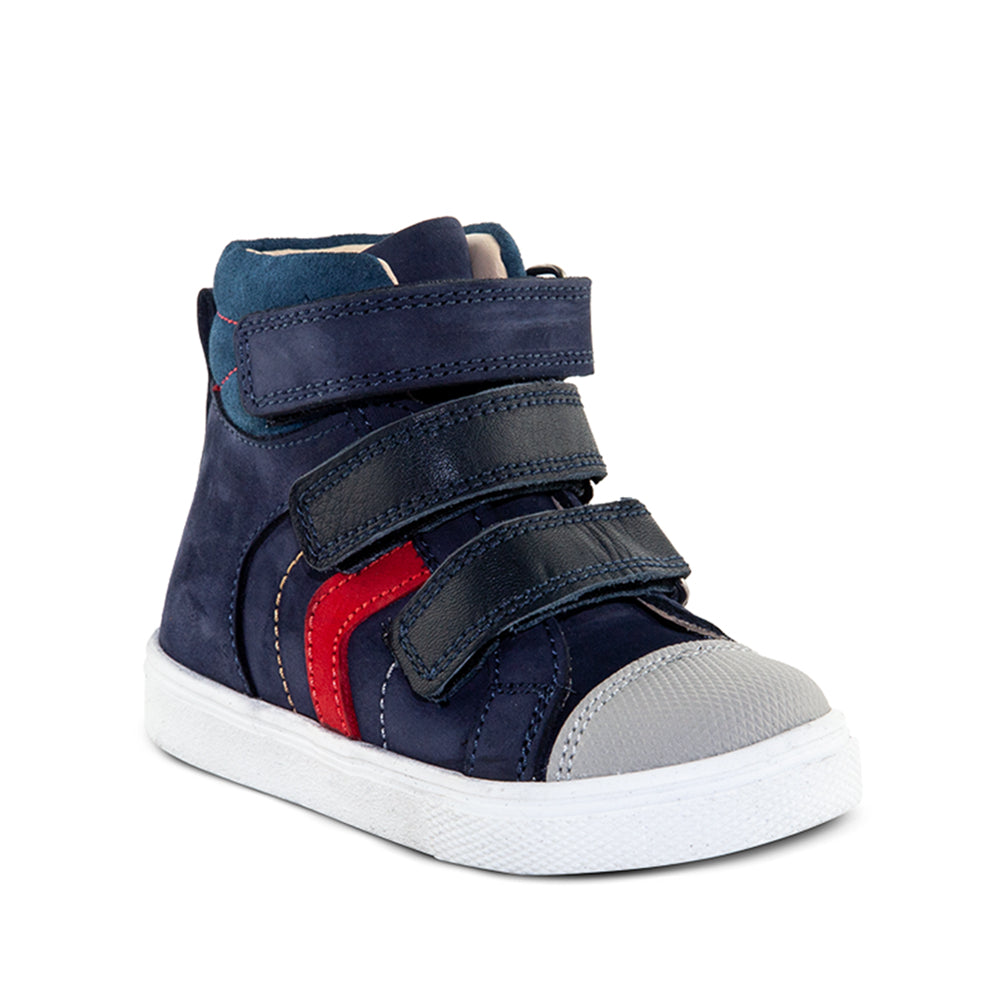
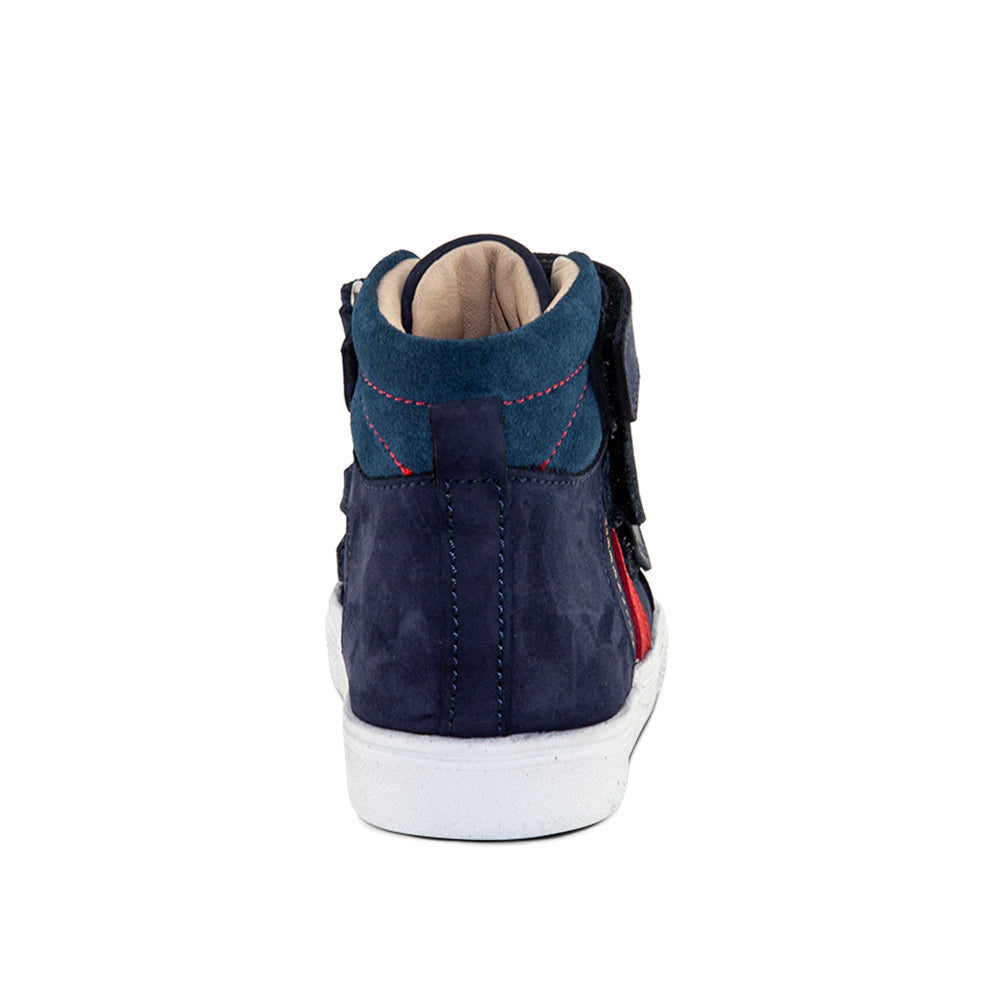
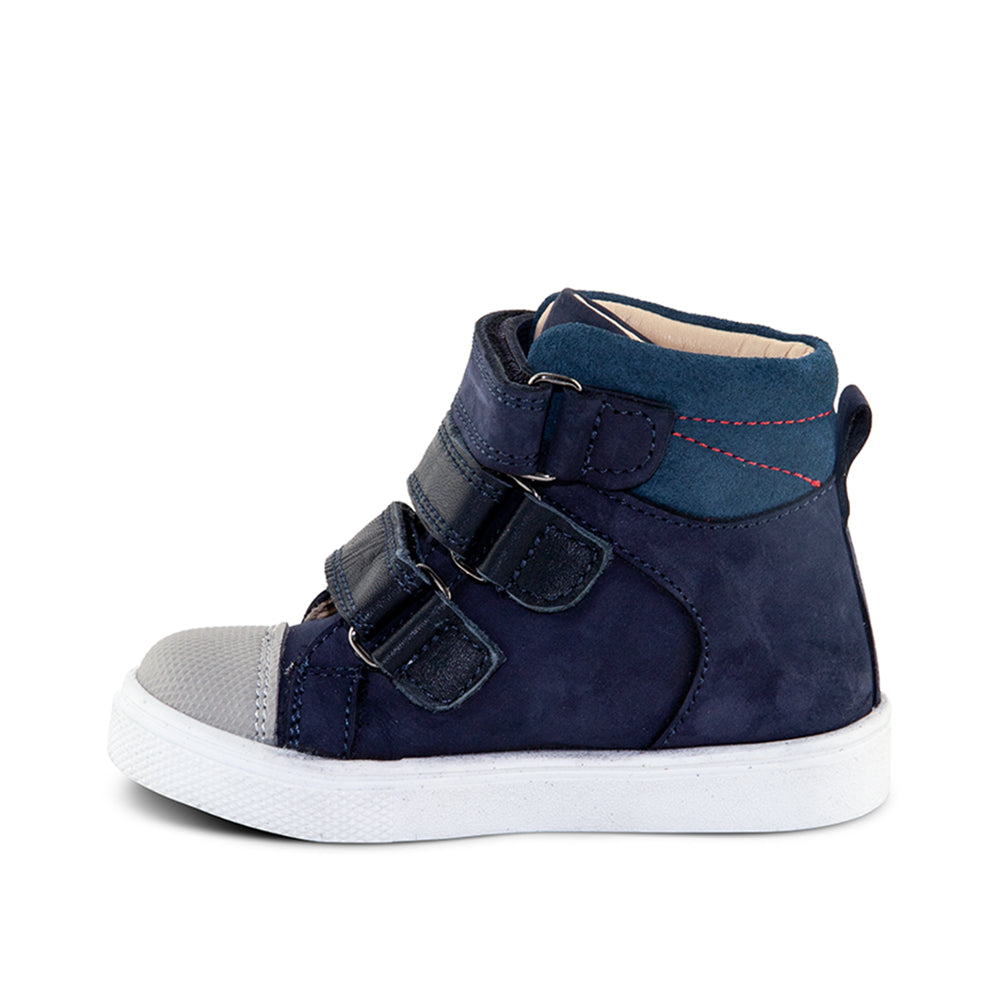
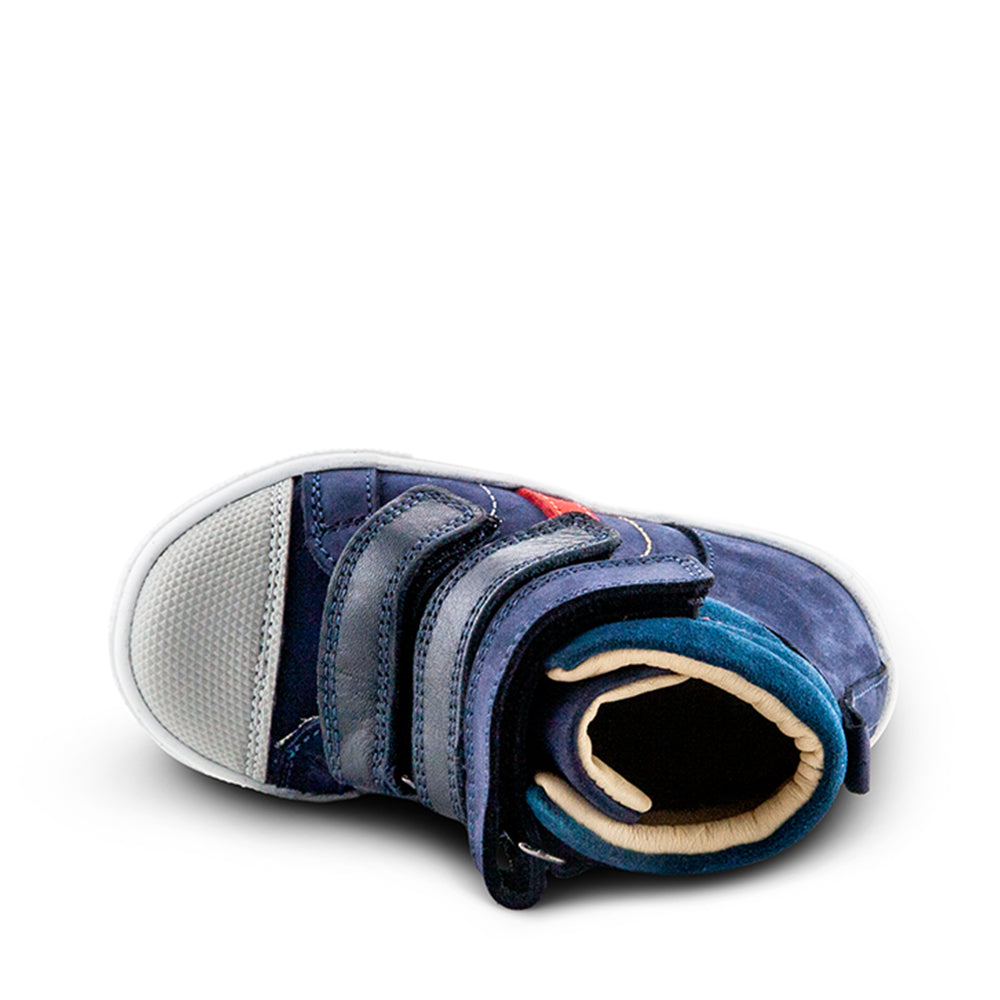
Johnny Rigel Sneakers
Extra cushioning for all-day outdoor adventures.
Type
Sneakers
Material
Leather + Nubuck Leather
Sizes
18–30 (EU) | 2–11.5 (UK)
Benefits for kids needing ankle support
- Three Velcro straps secure the front, middle, and ankle separately
- Extra cushioning protects from roots, stones, and bumpy surfaces
- Higher ankle support than standard shoes
- Leather-nubuck combo stays supportive under pressure
- Insole comes out for custom orthotics or replacement
Why they're a top choice
The Johnny Rigel is built for long outdoor sessions—park days, nature walks, extended playground time. Outdoor ground is harder on joints than indoor flooring, and that stress adds up over hours of play.
Three straps mean everything stays locked in place even on unpredictable terrain. The Johnny Rigel lets you plan full days outside knowing your toddler's ankles have the support they need for hours of exploration, not just quick backyard visits.
5
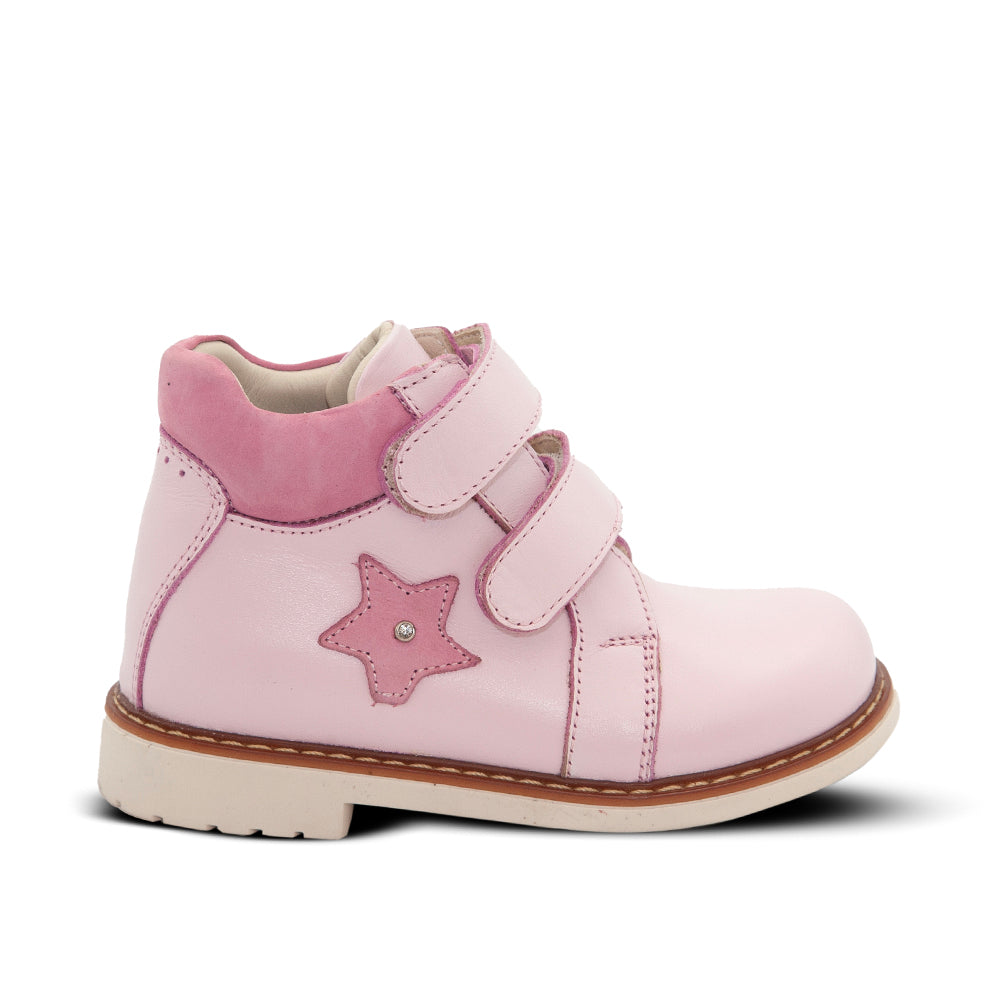
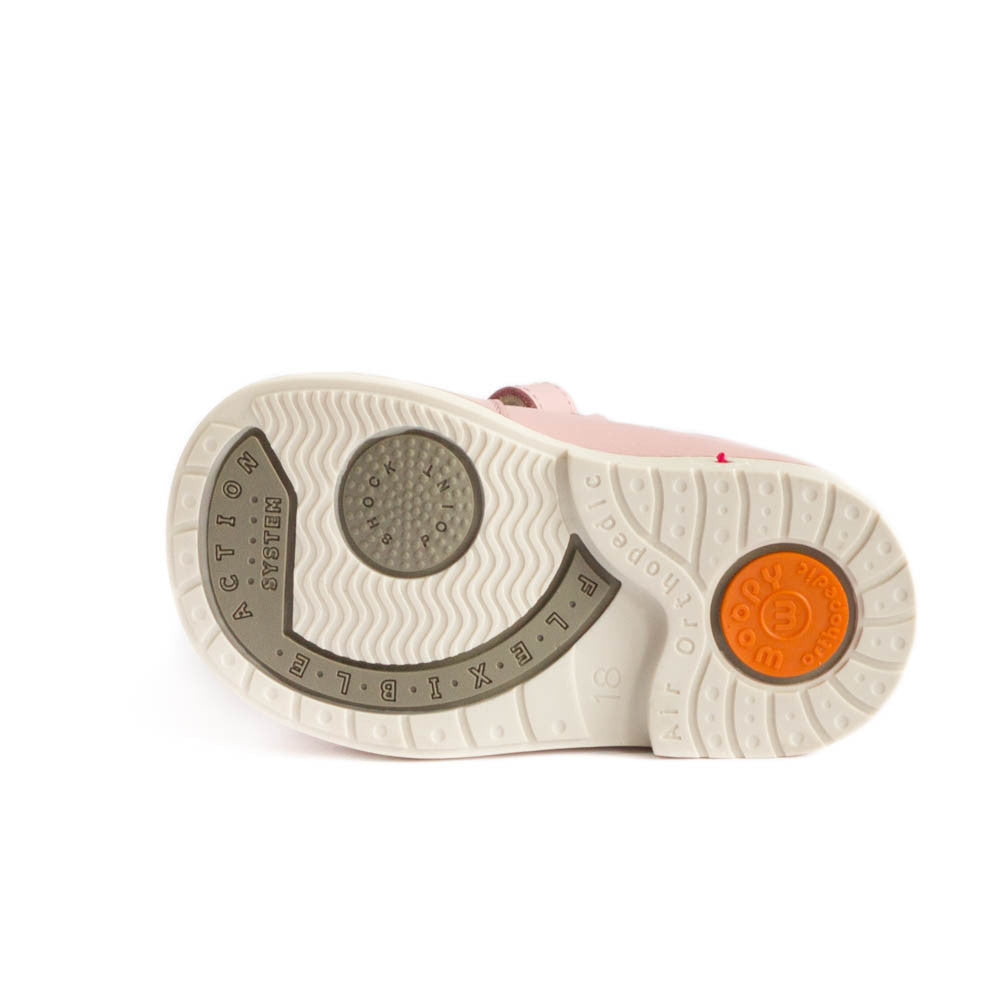
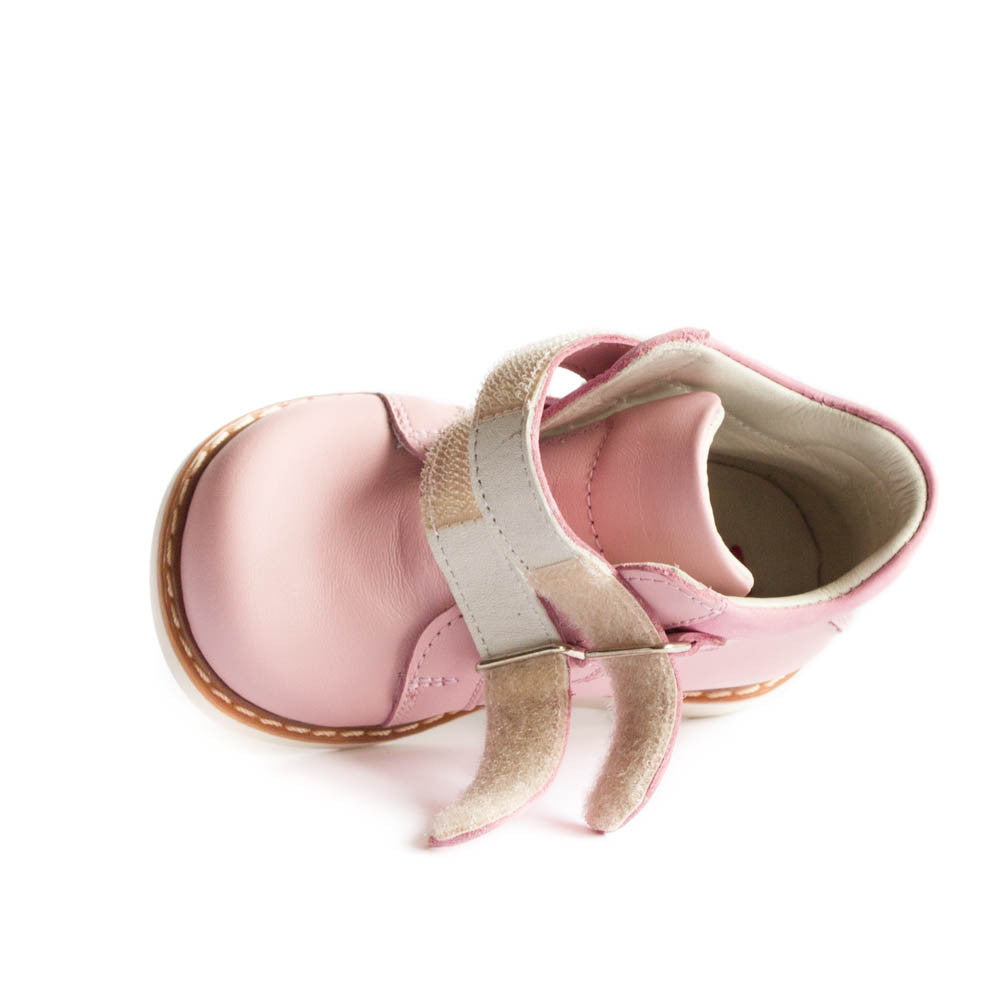
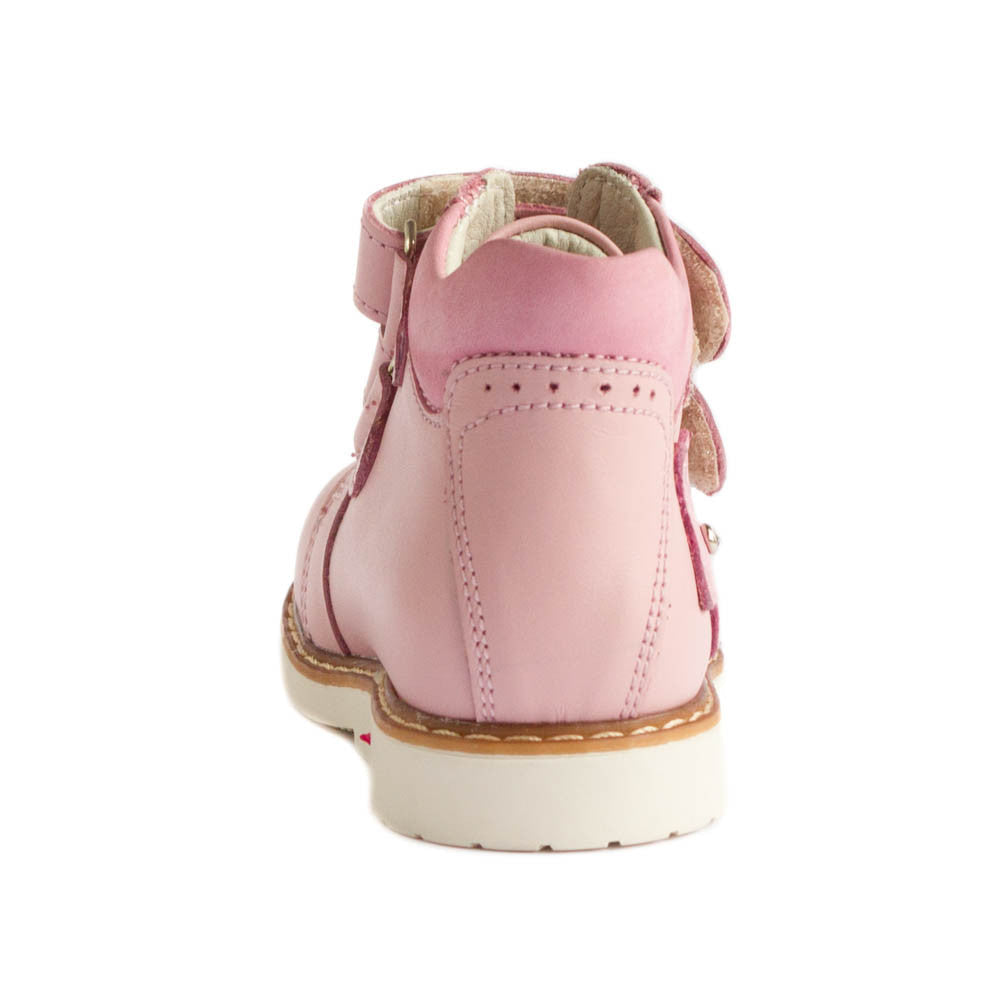
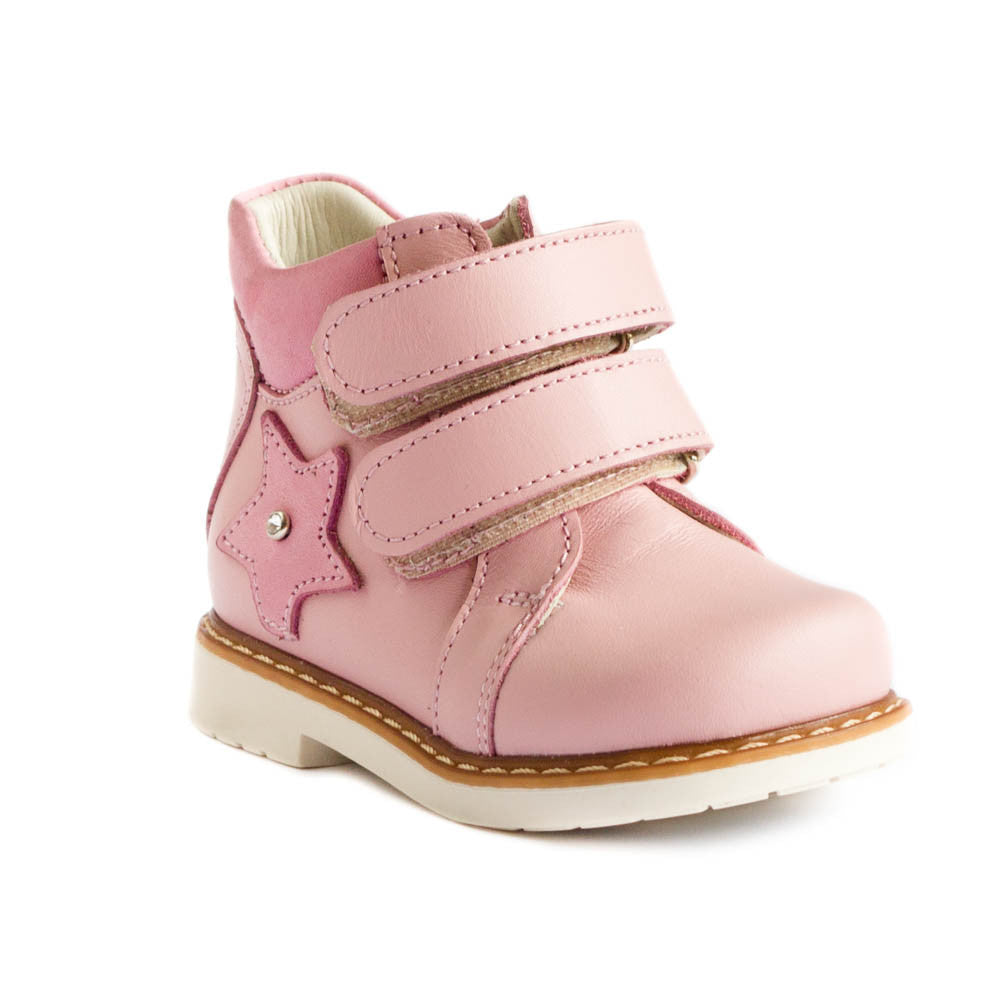
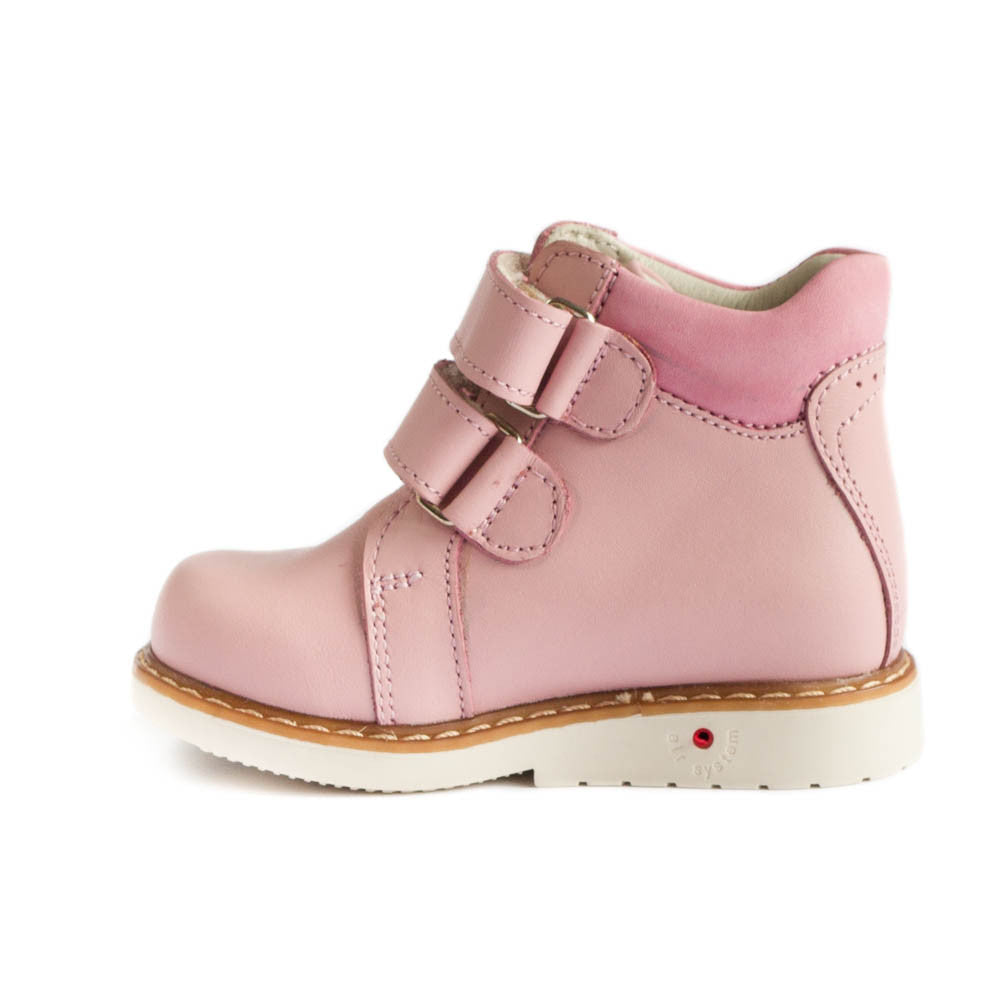
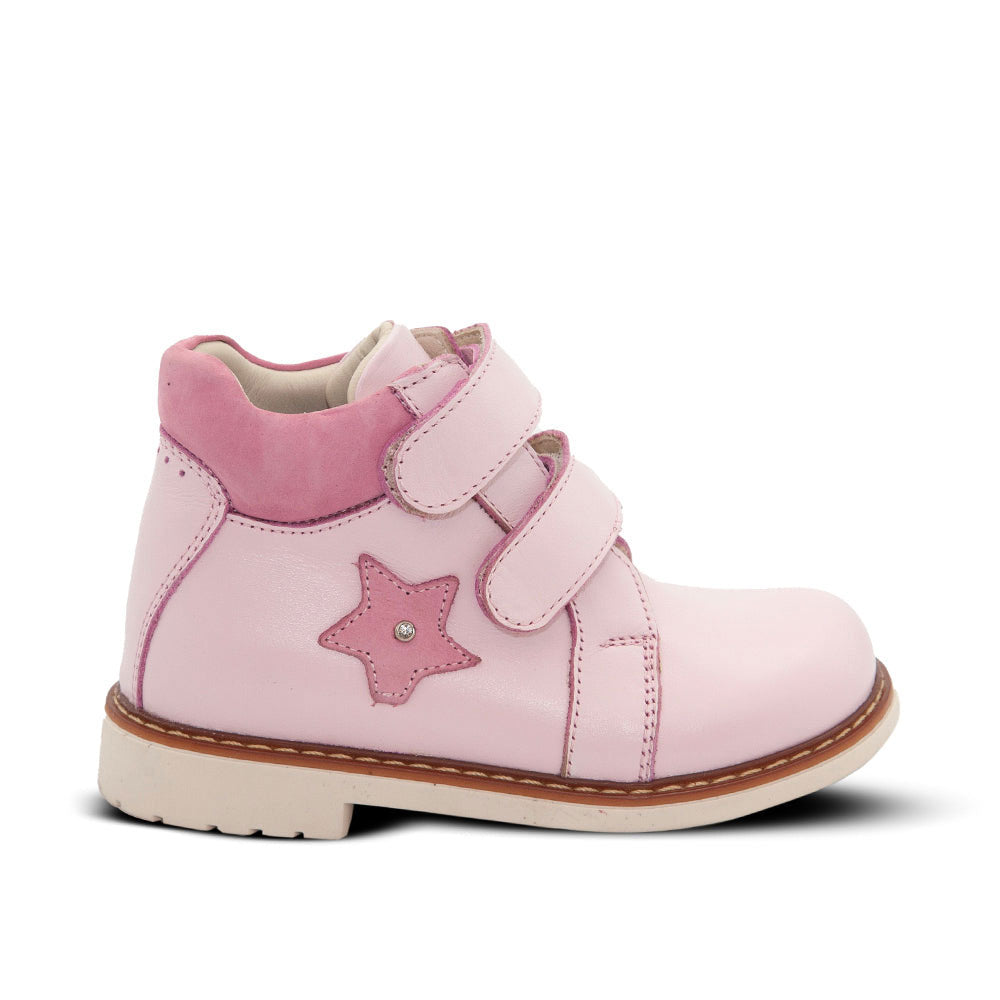
Petit Coralie Boots
Maximum support for hills, trails, and varied terrain.
Type
Boots
Material
Leather
Sizes
18–30 (EU) | 2–11.5 (UK)
Benefits for kids needing ankle support
- Boot style gives the highest ankle coverage here
- Special heel design prevents rolling on slopes
- Two velcro straps stop the heel from slipping on uneven ground
- High arch keeps feet aligned when surfaces tilt
- Air valves keep feet dry inside the boot
Why they're a top choice
The Petit Coralie excels on cobblestones, gravel paths, grassy slopes, and forest trails—anywhere the ground changes angle with each step. These surfaces challenge ankle stability because your toddler lands differently every time.
The boot height and special heel design provide mechanical stability that compensates for still-developing balance. If your family walks varied outdoor routes regularly, this shoe is specifically engineered for that terrain diversity.
6
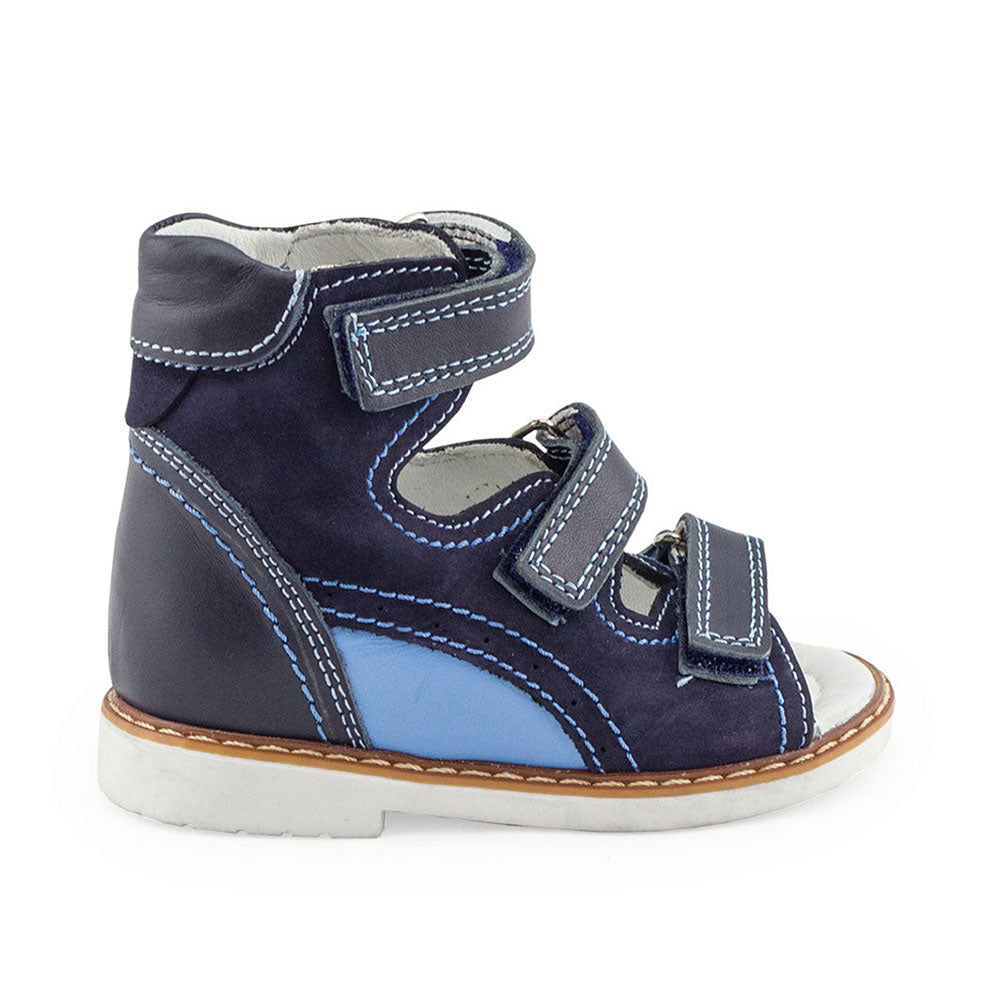
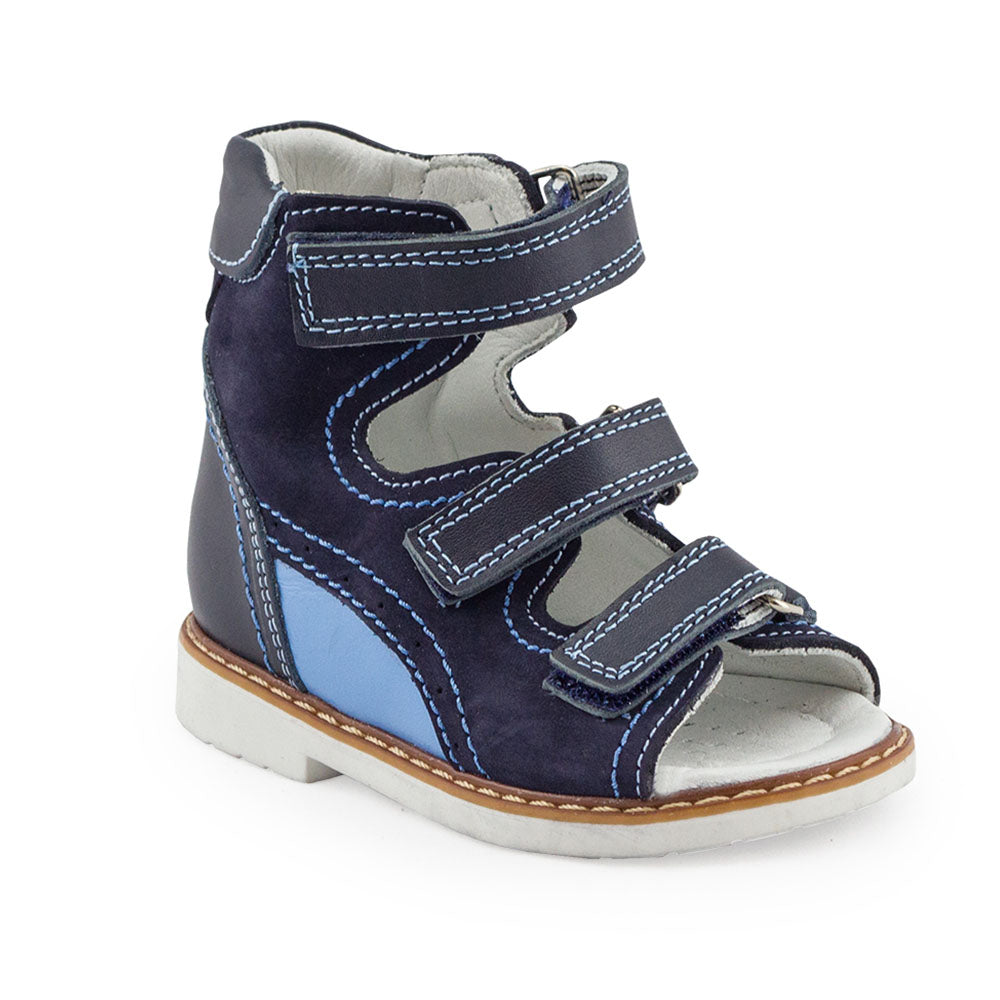
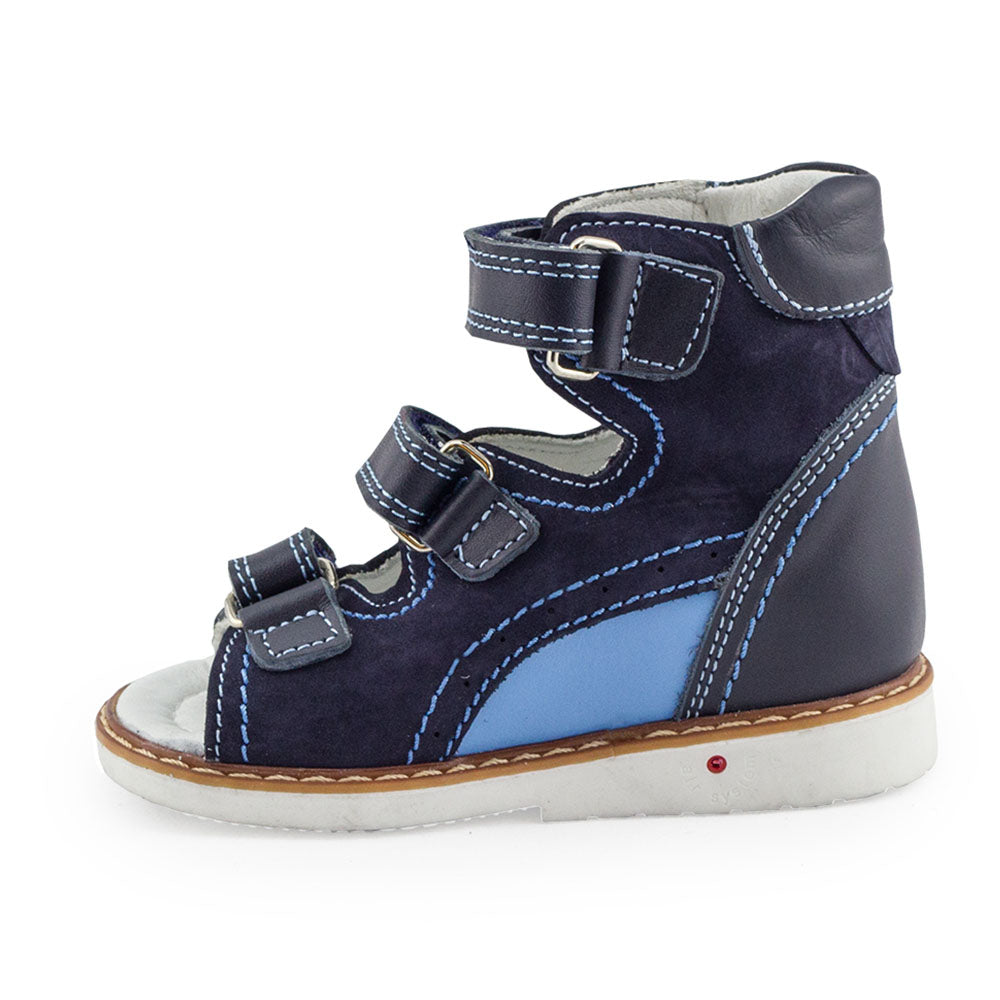
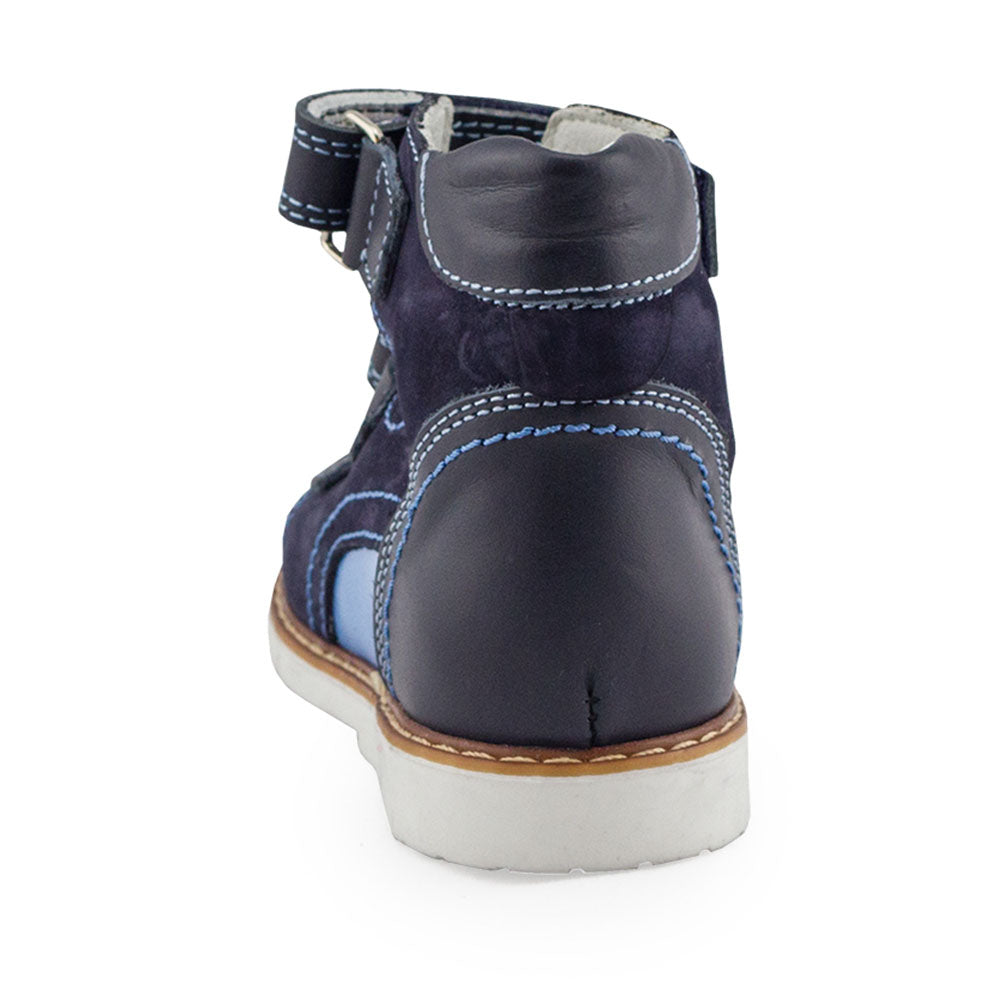
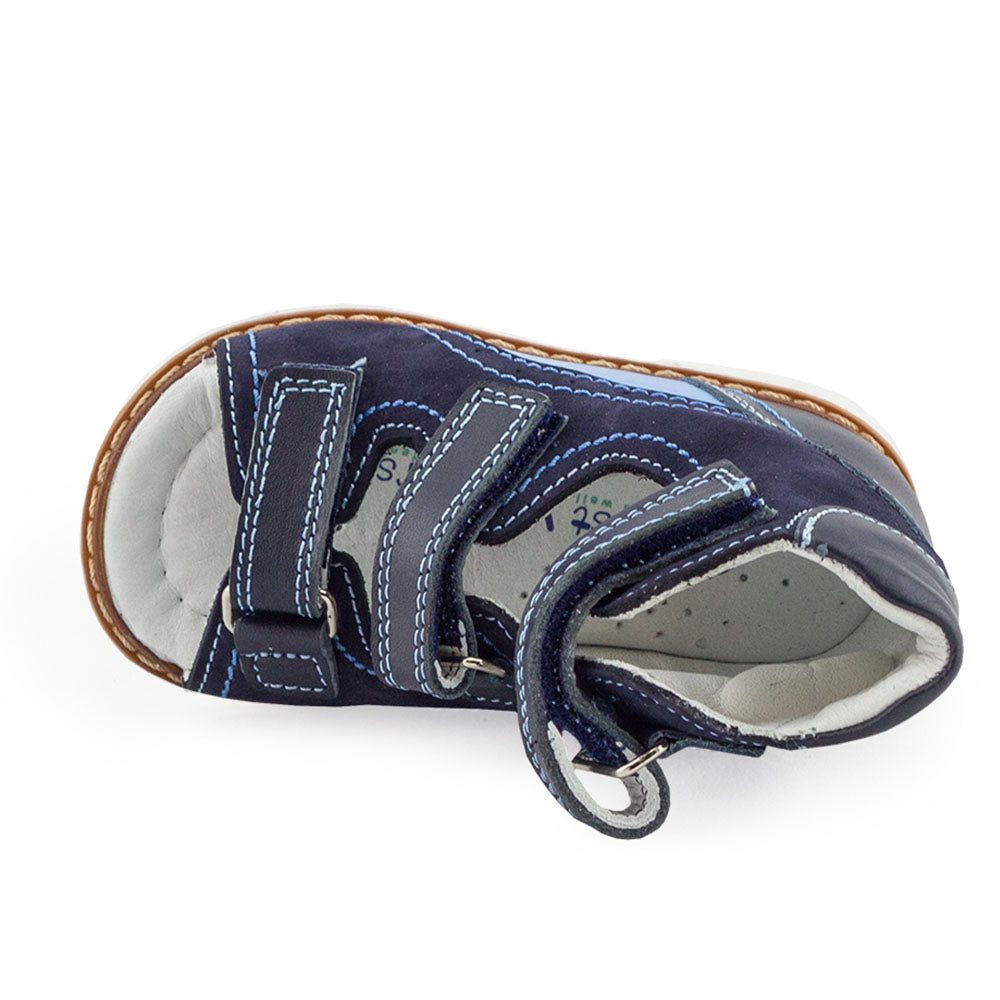
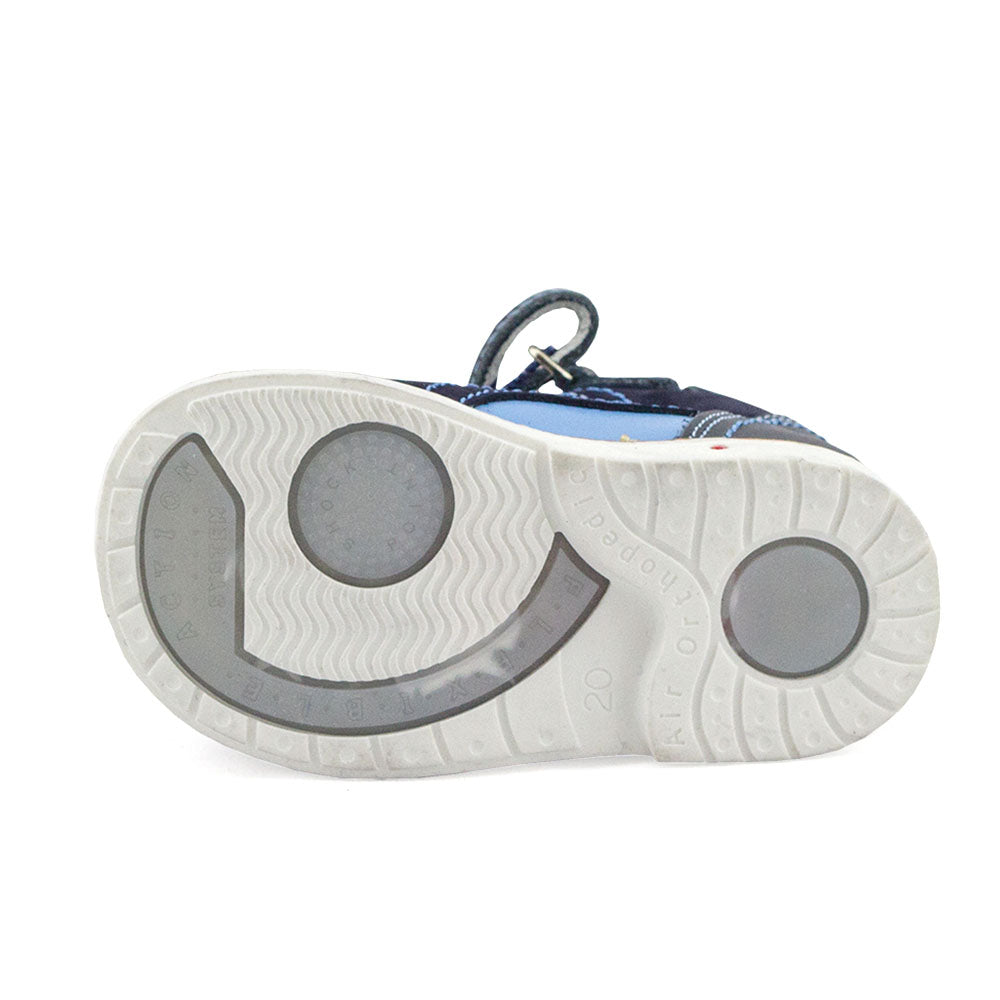
Indie Ryan Sandals
Real ankle support without summer overheating.
Type
Sandals
Material
Nubuck Leather + Leather
Sizes
18–30 (EU) | 2–11.5 (UK)
Benefits for kids needing ankle support
- High-top design despite strategic open areas
- Three Velcro straps secure the front, middle, and ankle
- Special heel prevents pronation and ankle collapse
- Open construction lets air flow freely
- Cushioned sole protects from hot pavement
Why they're a top choice
The Indie Ryan solves summer's dilemma: how do you give ankle support when regular enclosed shoes become unbearably hot? The high-top sandal keeps ankles stable while cutouts let air flow.
Regular supportive shoes trap heat and moisture, leading to battles when toddlers refuse to keep them on. The Indie Ryan gives therapeutic support without the sweaty discomfort, so your child actually wears their supportive footwear all day instead of fighting to go barefoot.
7
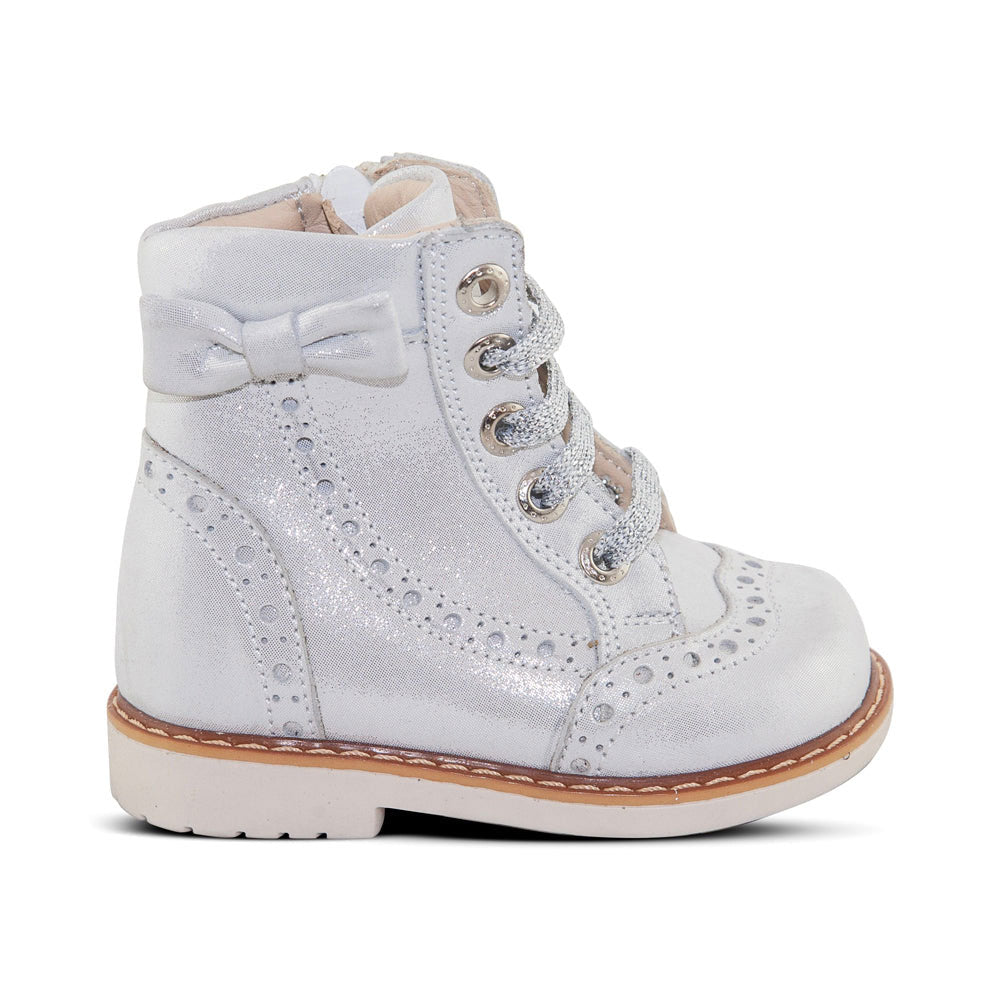
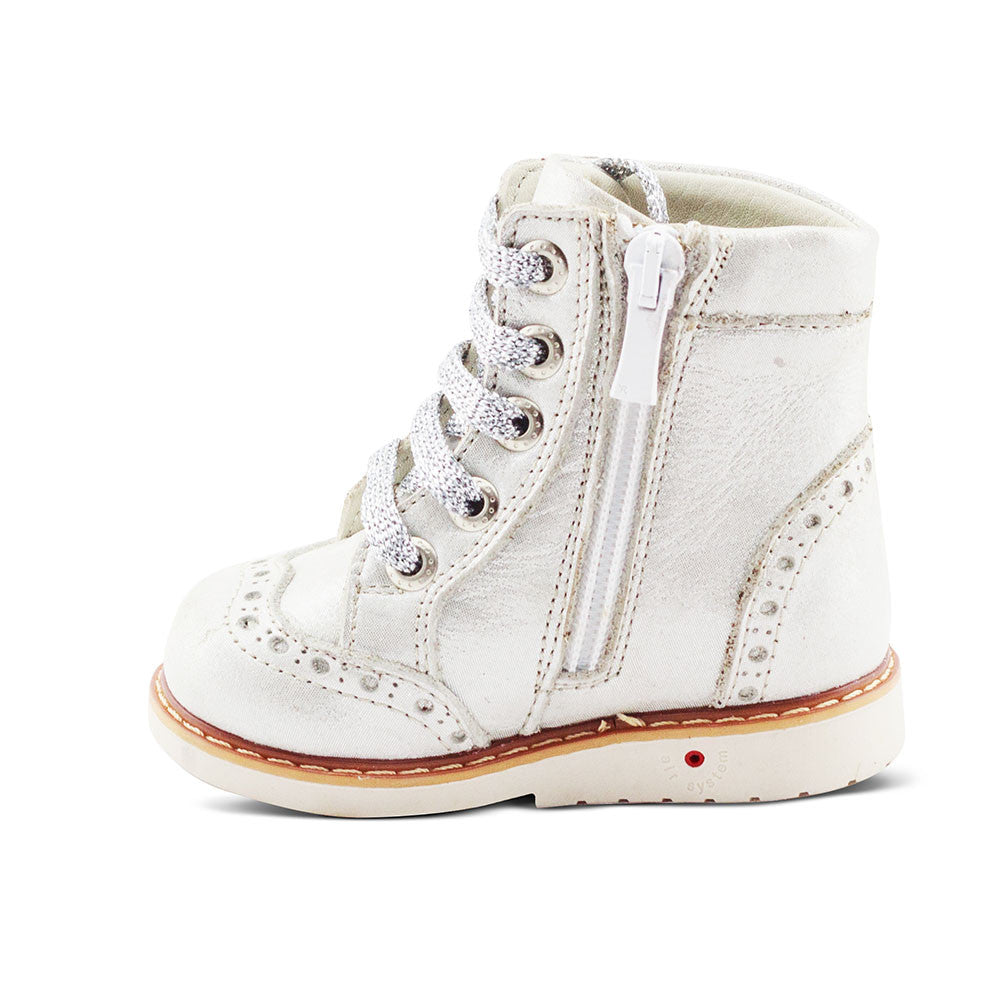
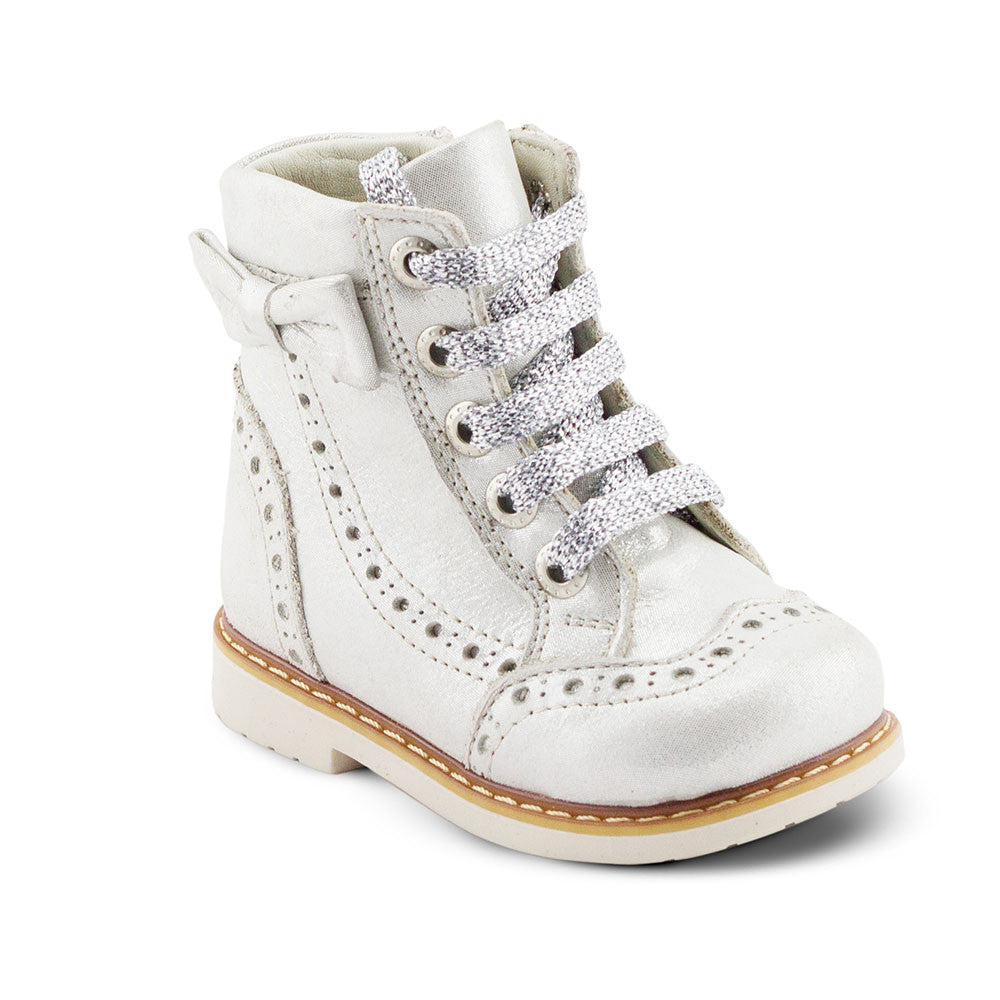
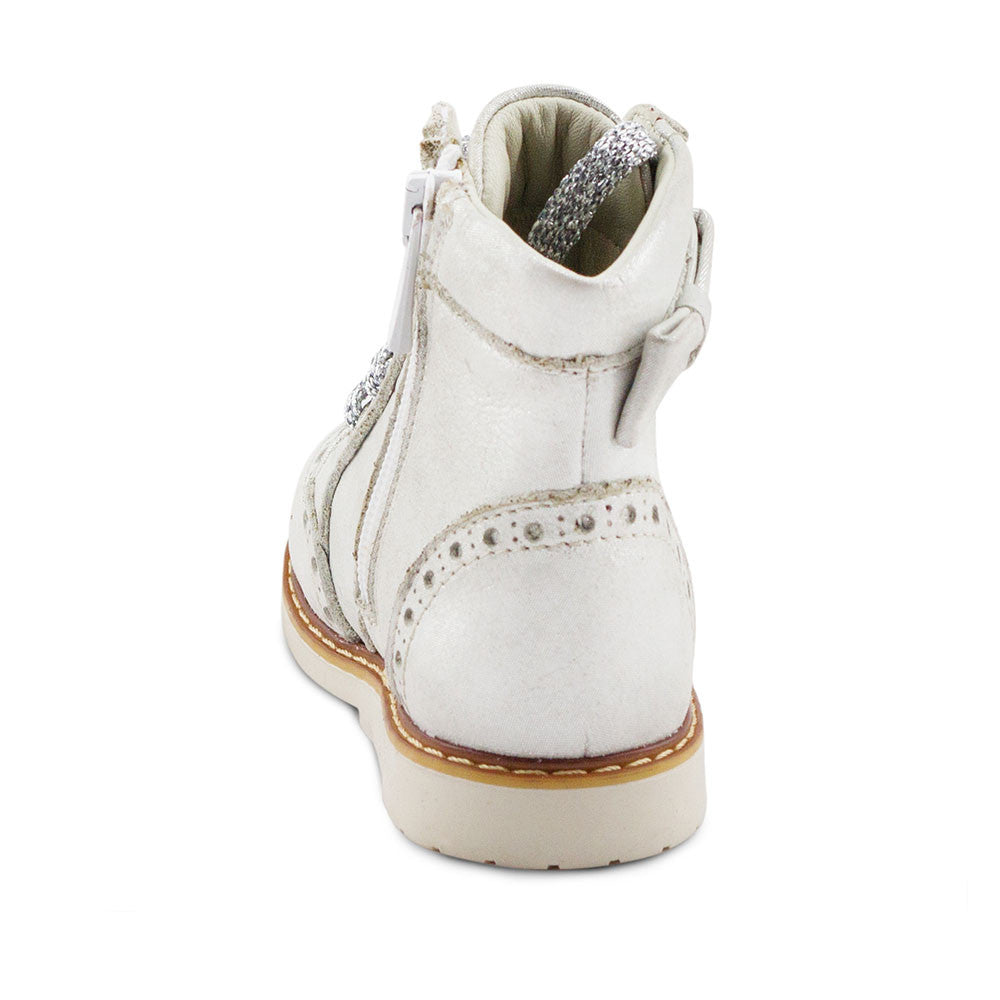
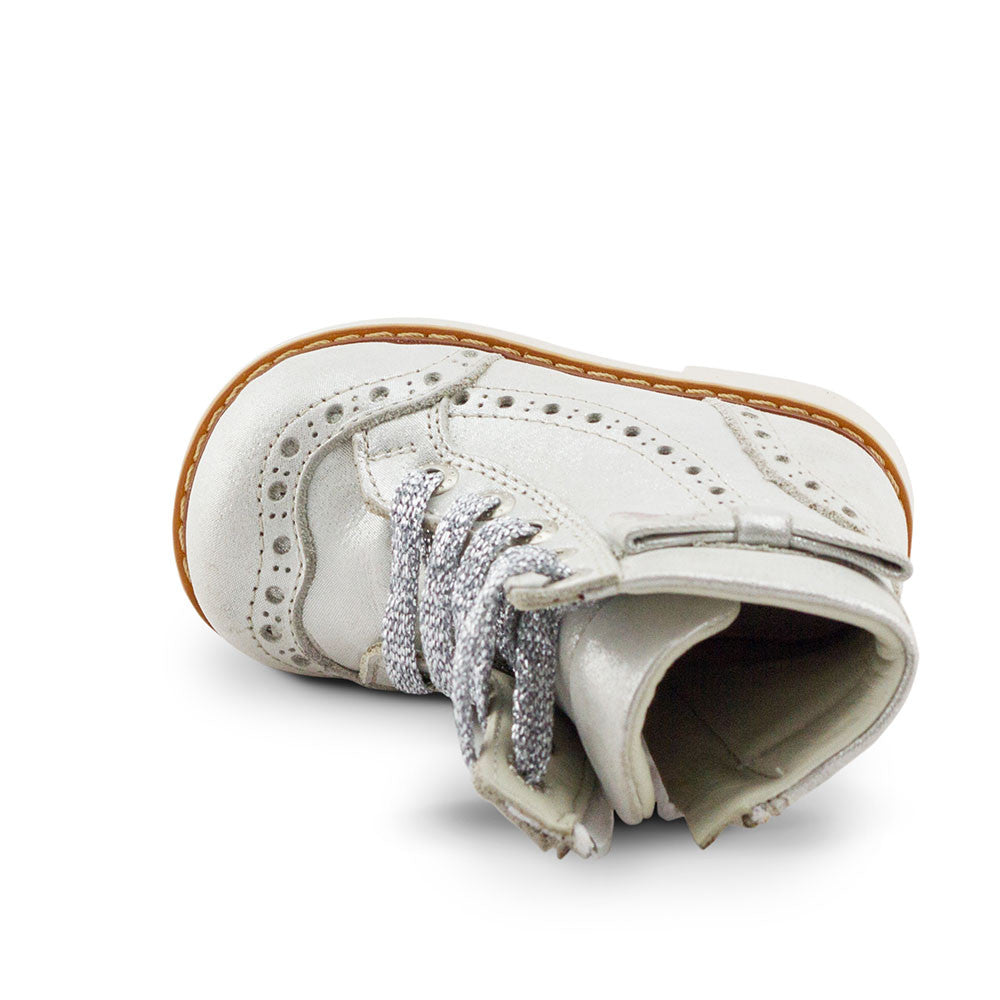
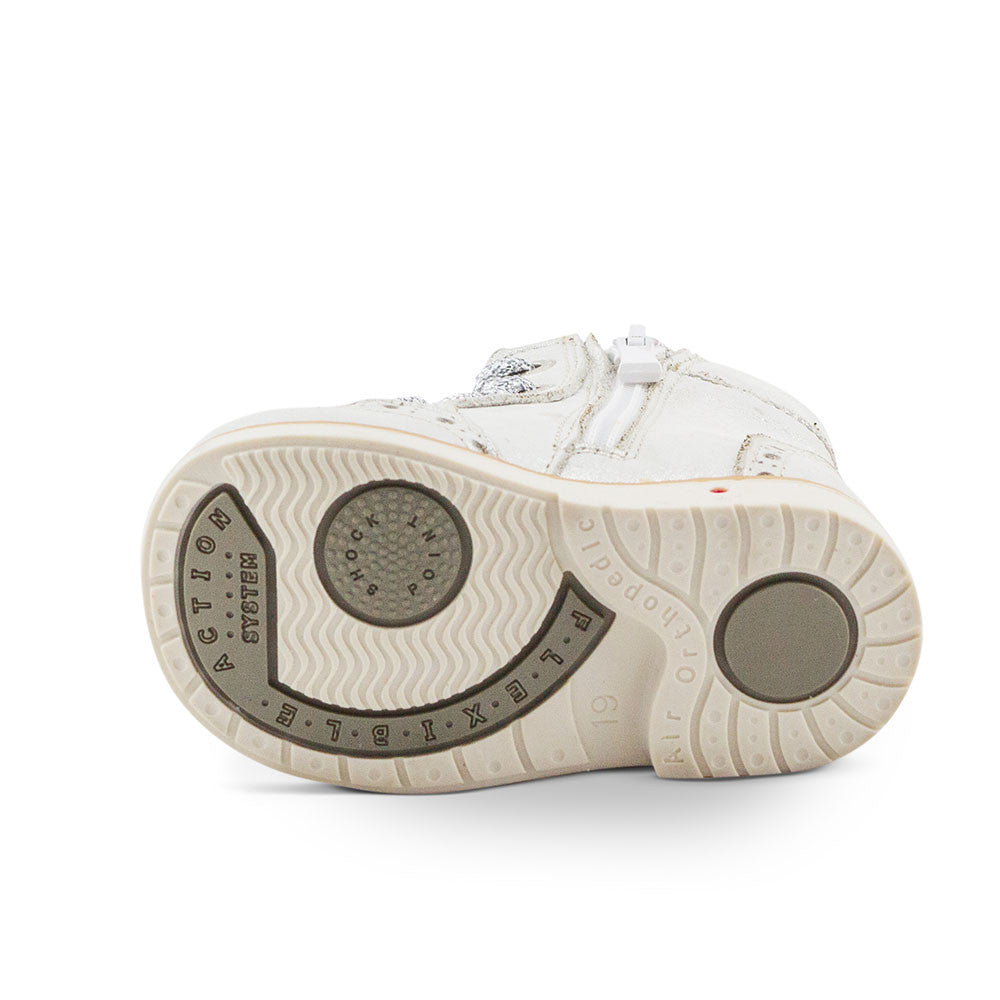
Pearly Sheila Boots
Winter warmth plus serious ankle stability.
Type
Boots
Material
Leather
Sizes
18–30 (EU) | 2–11.5 (UK)
Benefits for kids needing ankle support
- Full boot keeps feet warm and ankles stable
- Special heel design fights pronation that gets worse in cold weather
- Extra tongue room fits over AFO braces comfortably
- High arch maintains alignment with thick winter socks
- Pretty silver finish works for dressy winter occasions
Why they're a top choice
The Pearly Sheila handles winter walking when cold ground and frosty playgrounds demand both warmth and stability. Cold actually makes ankle stability worse because reduced blood flow slows reaction times that toddlers rely on for balance.
The insulated boot keeps feet warm, so muscles respond properly during outdoor winter play. You get both temperature protection and stability at once, instead of choosing between warm-but-wobbly boots and supportive-but-freezing shoes.
8
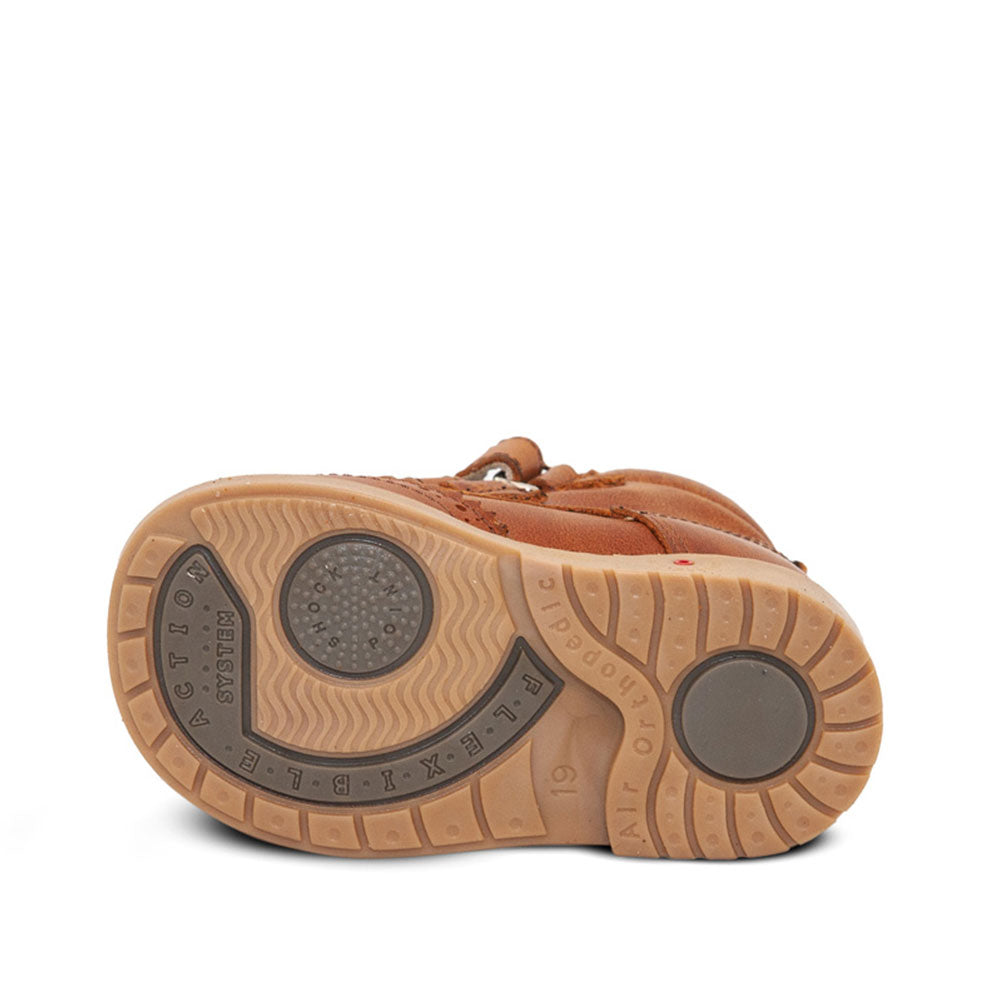
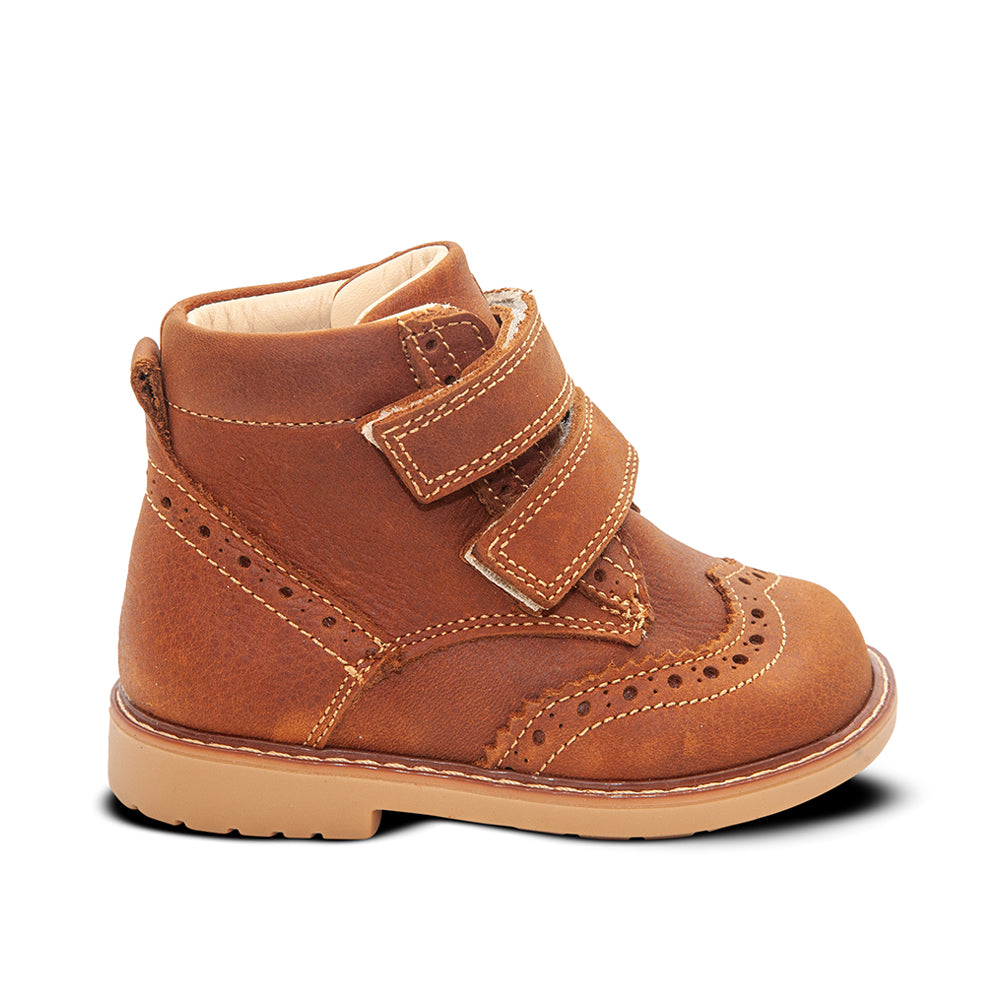
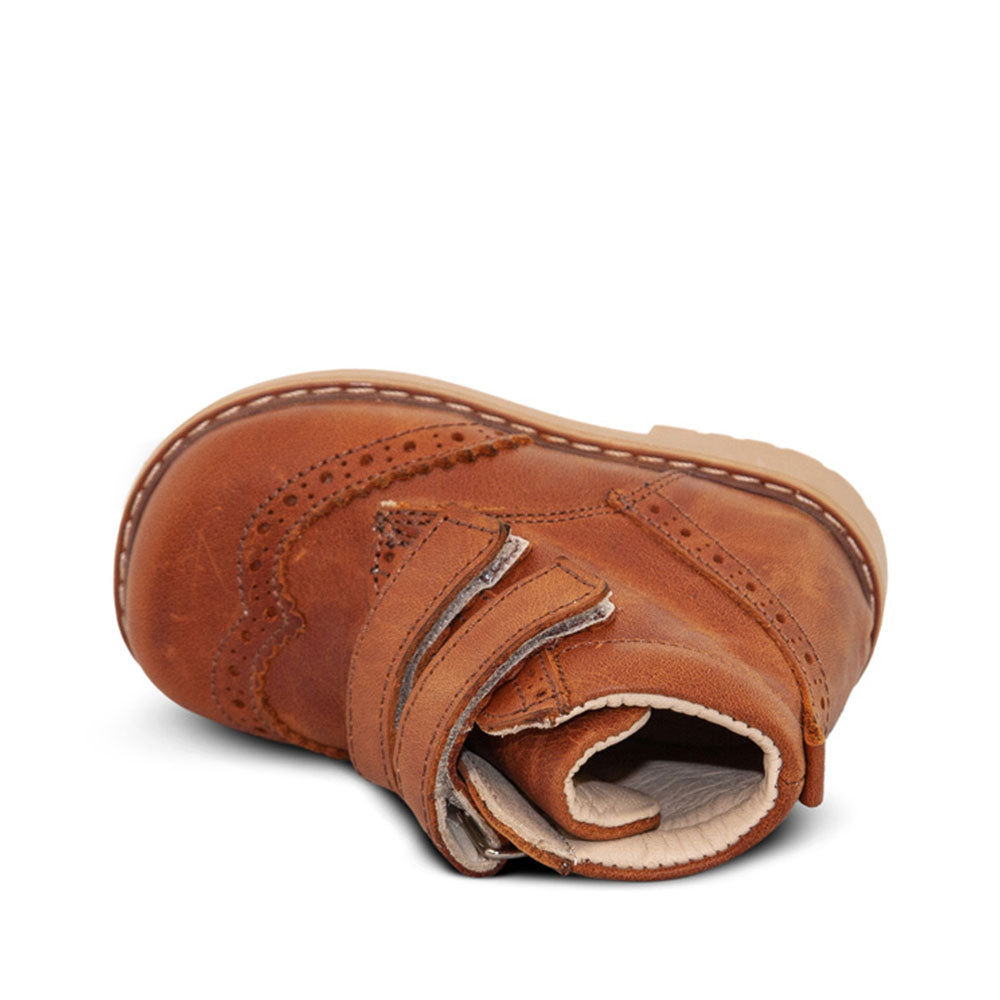
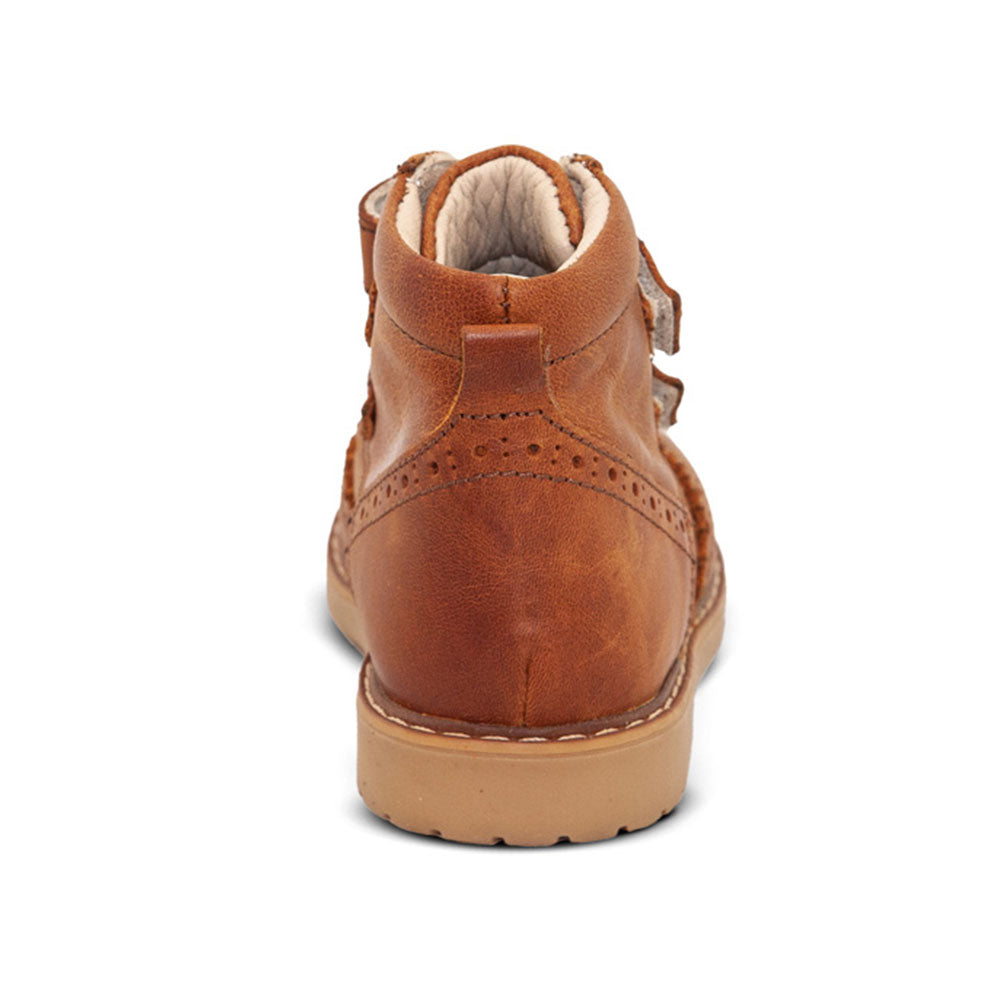
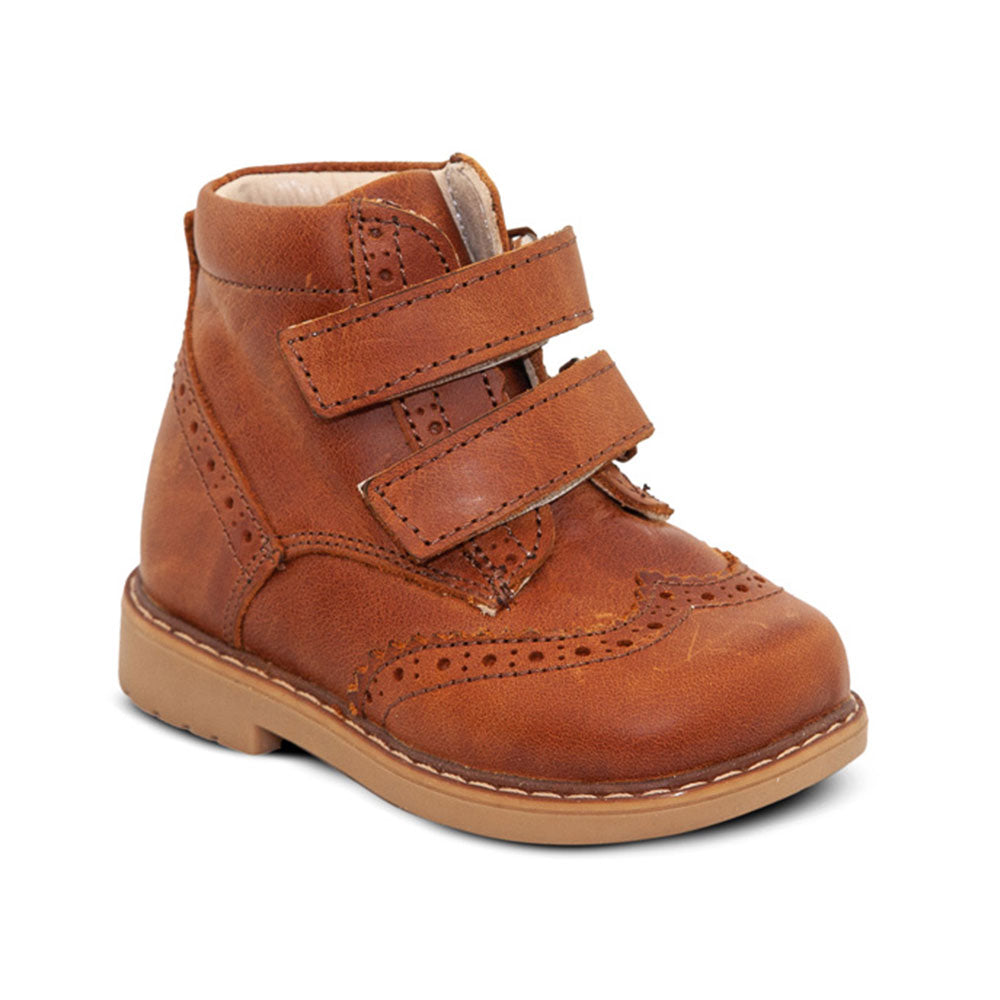
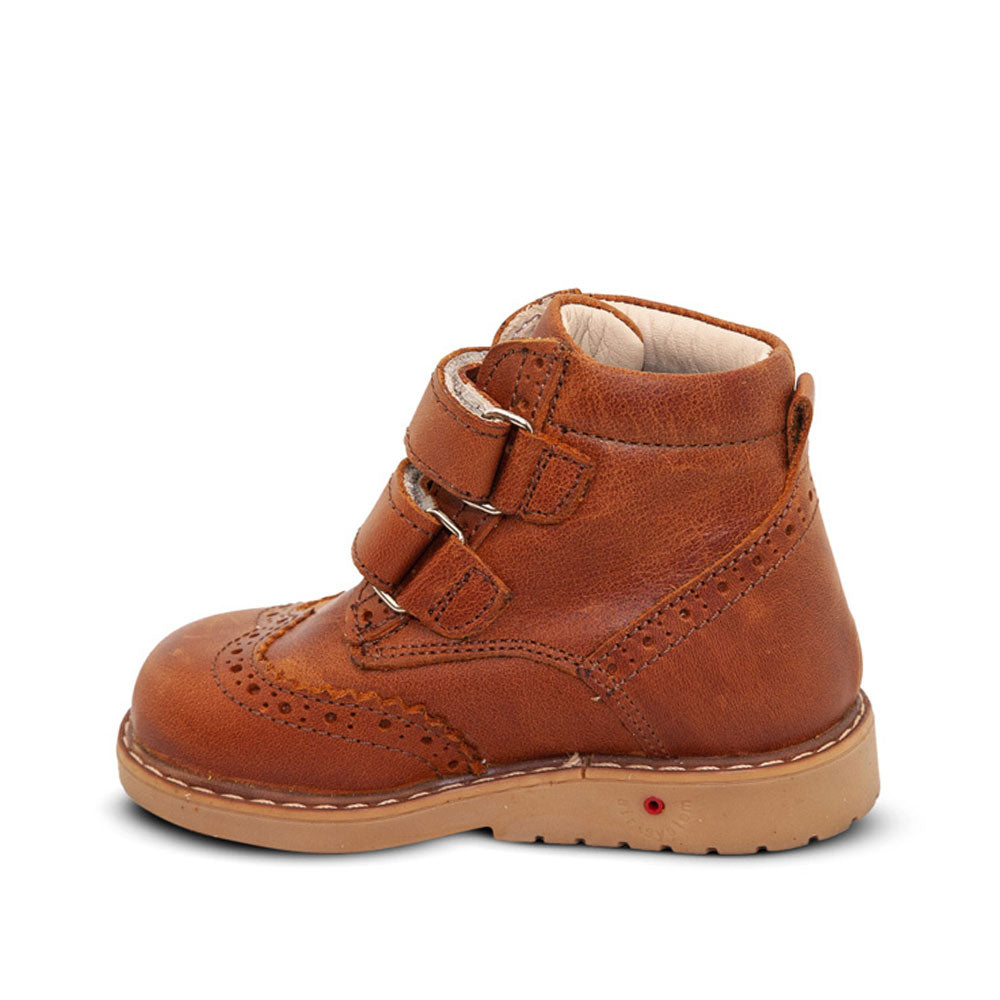
Louis Grim Boots
Keeps feet dry all day with active ventilation.
Type
Boots
Material
Leather
Sizes
18–30 (EU) | 2–11.5 (UK)
Benefits for kids needing ankle support
- High-top boot wraps ankles in premium soft leather
- A special heel extends support to prevent inward collapse
- The built-in air valve system actively pushes moisture out
- Natural leather breathability lets moisture escape
- Walnut color works for both boys and girls
Why they're a top choice
The Louis Grim serves toddlers who sweat a lot during all-day wear. Some kids naturally produce more sweat, and regular enclosed footwear traps it, creating slippery conditions inside that mess up the fit.
The air valve system actively vents humidity, while the calfskin leather naturally lets moisture escape through the material. The Louis Grim keeps the inside dry throughout demanding days, preventing the slippage and blisters that sweaty feet cause.
9
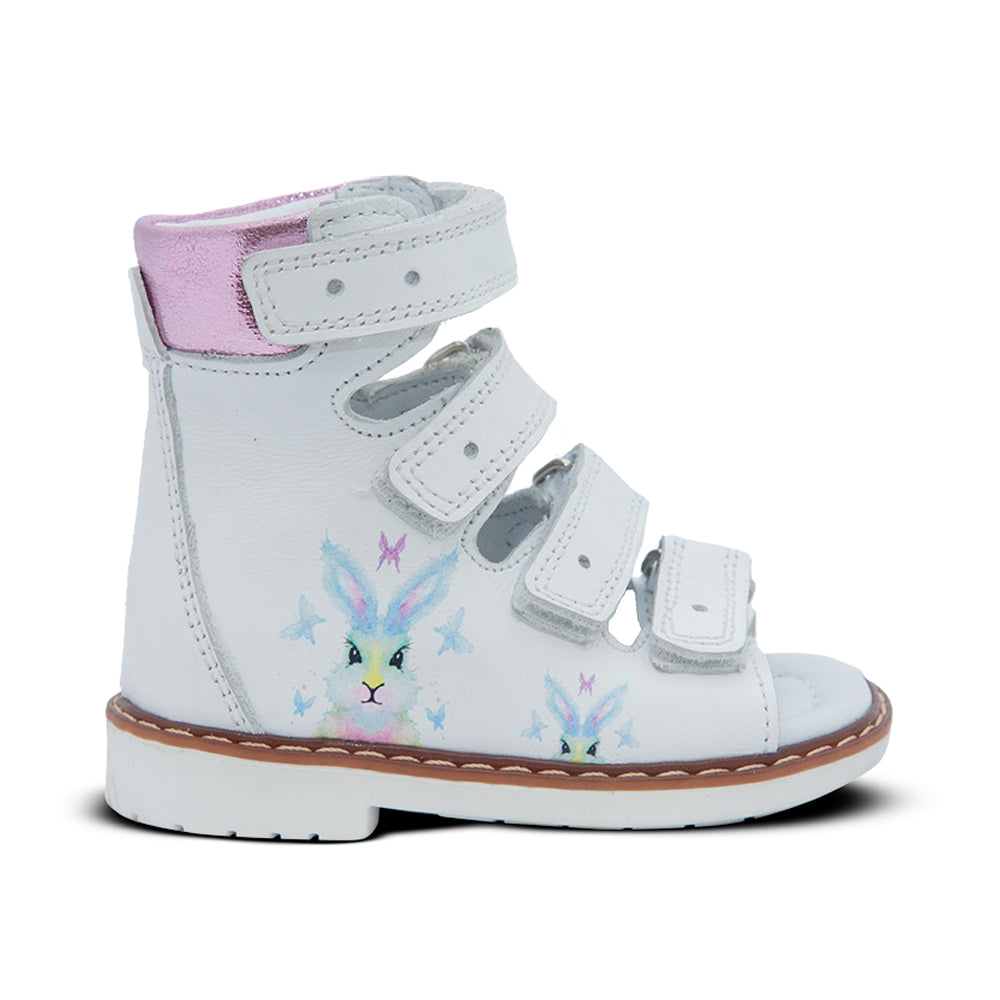
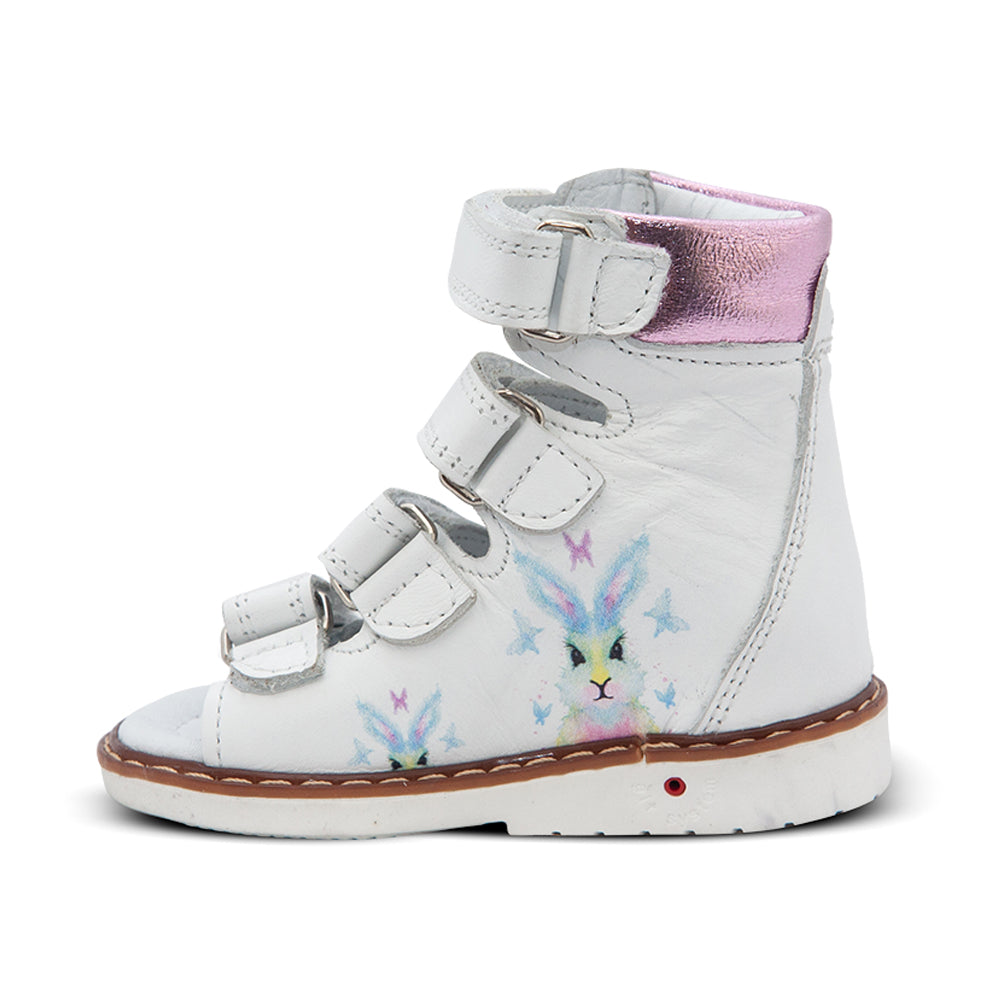
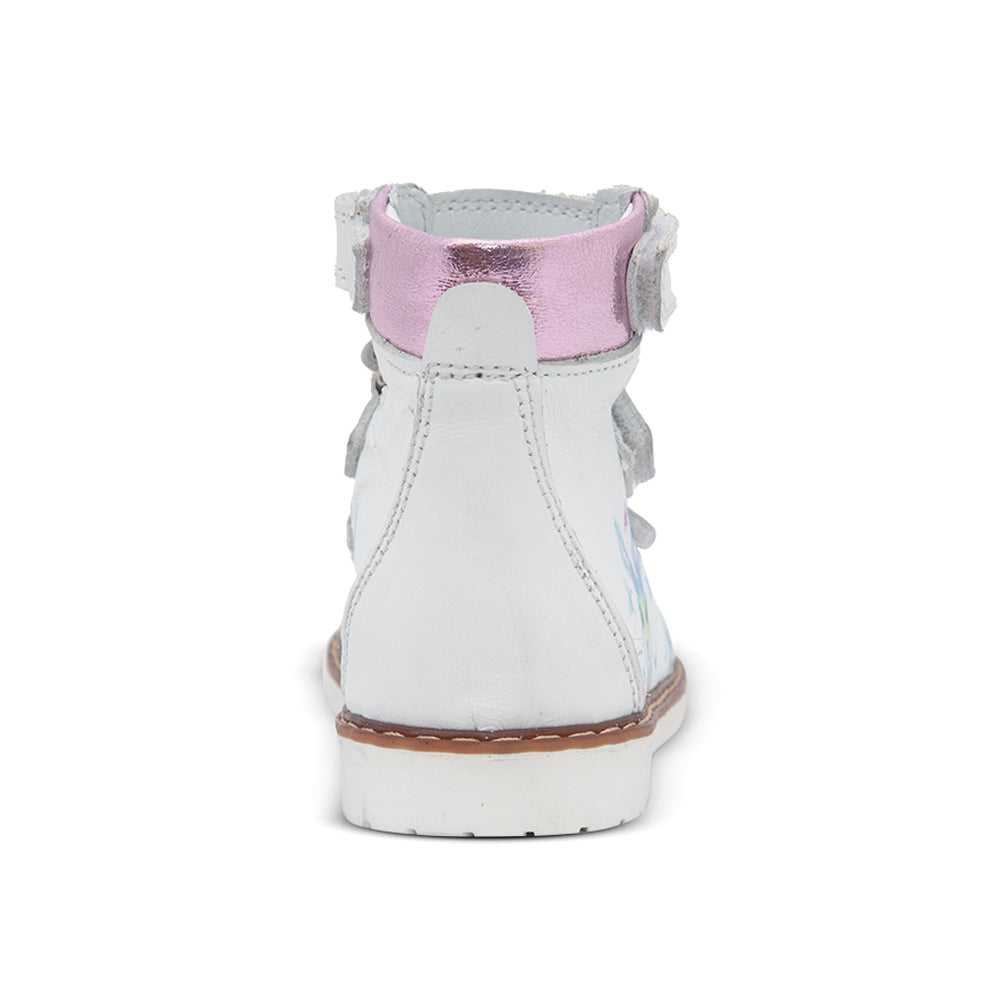
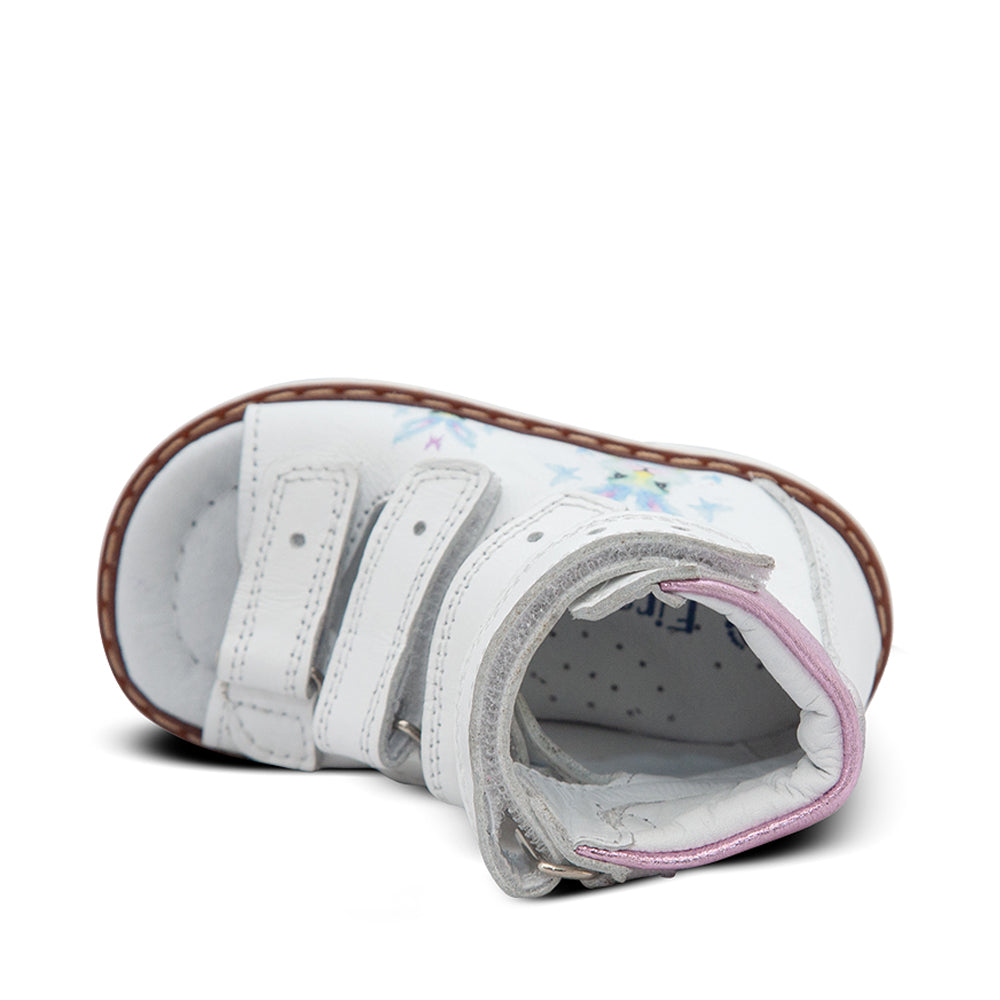
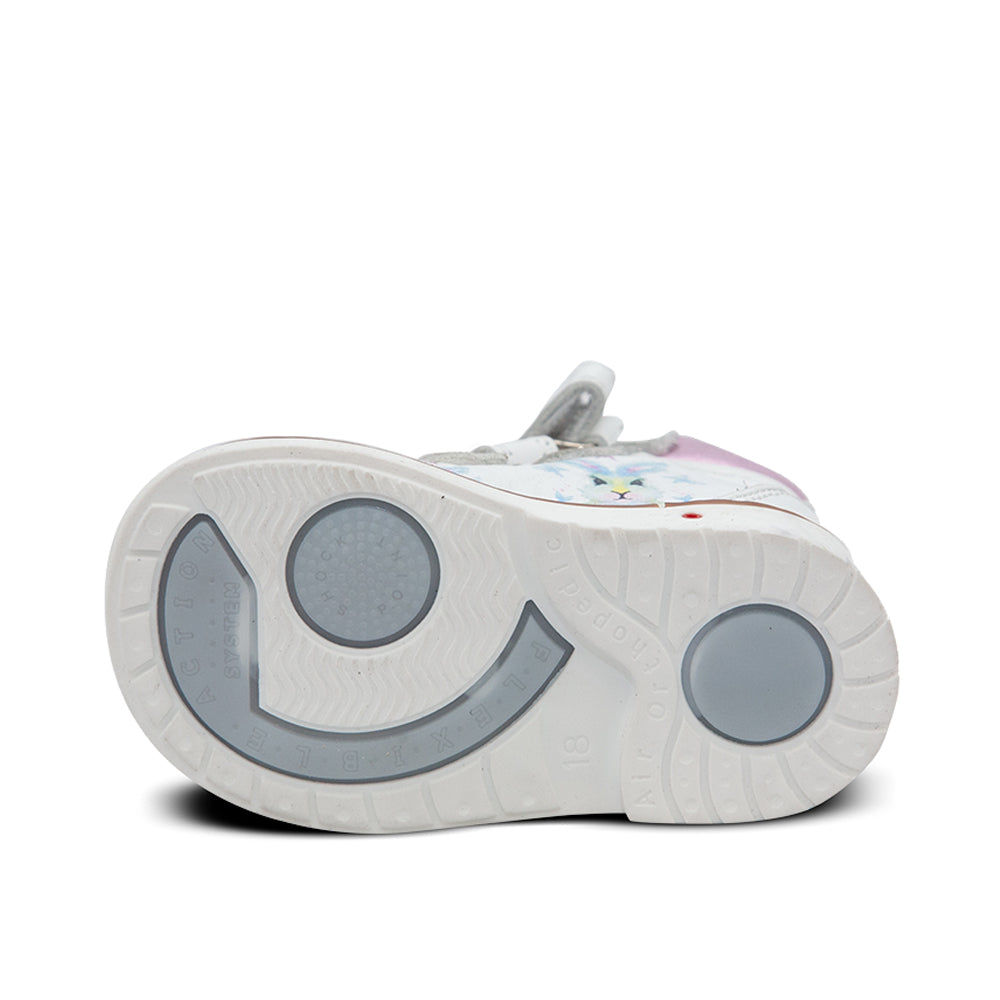
Flopsy Rosy Sandals
Feminine style that girls actually want to wear.
Type
Boots
Material
Leather
Sizes
18–30 (EU) | 2–11.5 (UK)
Benefits for kids needing ankle support
- Four Velcro straps across the front, middle, and ankle areas
- Special heel controls pronation and inward rolling
- High-top sandal supports ankles with breathable openings
- Sturdy leather handles active play forces
- Rosy design turns medical shoes into a fashion choice
Why they're a top choice
The Flopsy Rosy resolves the conflict when your daughter needs orthopedic support but hates clinical-looking footwear. Toddlers developing their own style often reject shoes that don't match their preferences, creating daily battles.
The feminine design motivates willing wear, ensuring the therapeutic benefits actually reach developing feet. The Flopsy Rosy gets compliance without fights, letting your daughter feel her footwear reflects her personality instead of just being "special medical shoes."
10
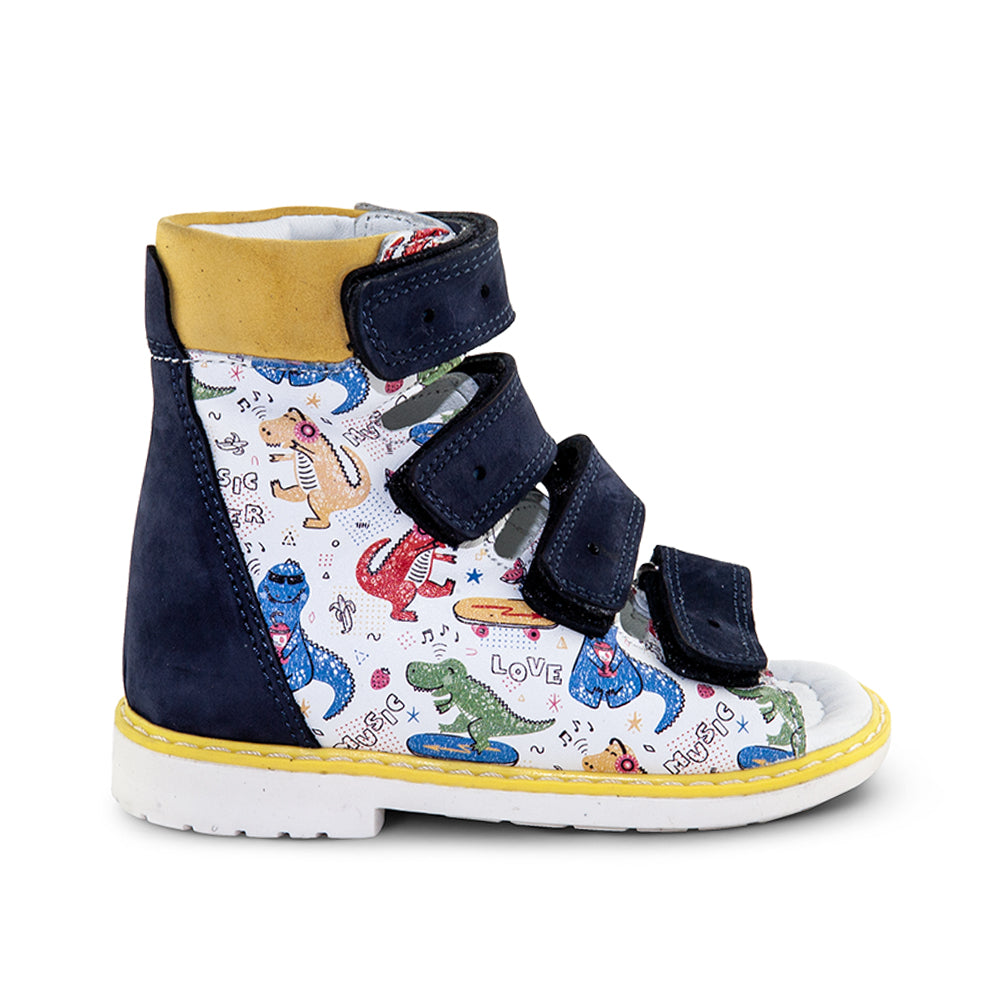
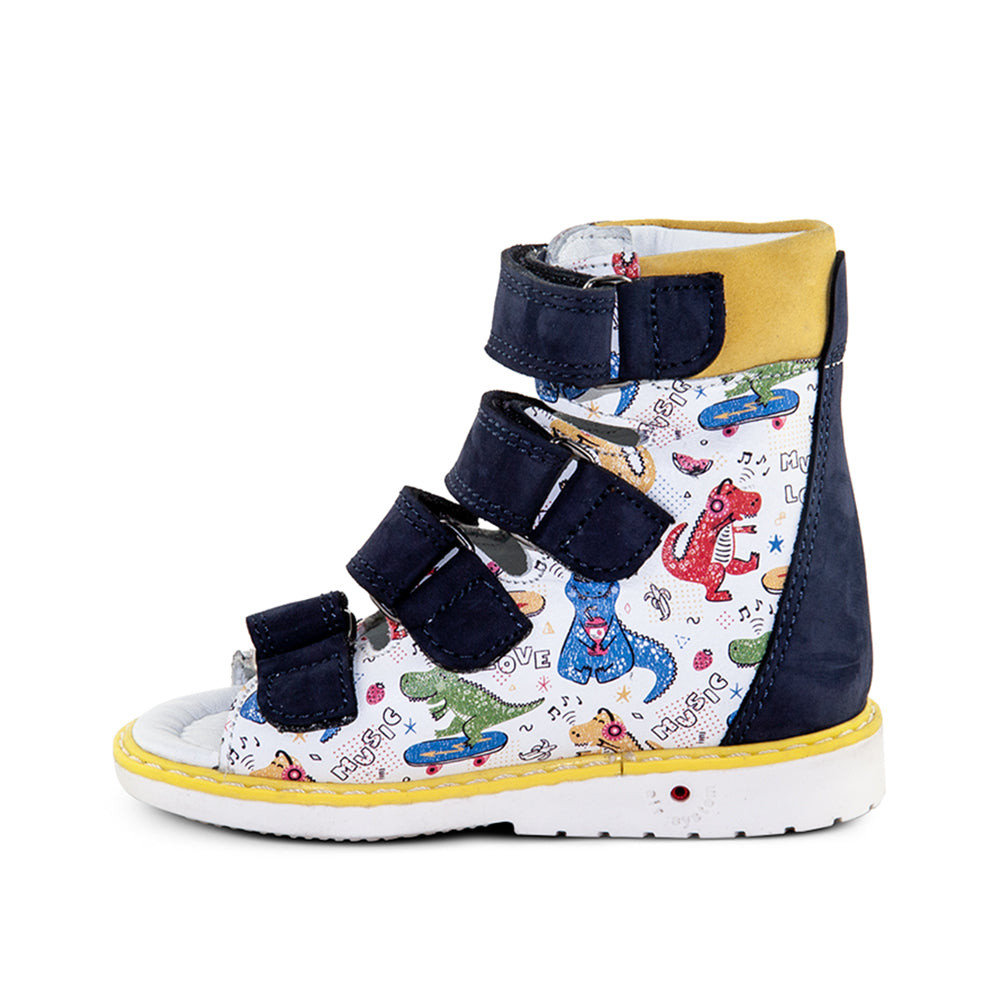
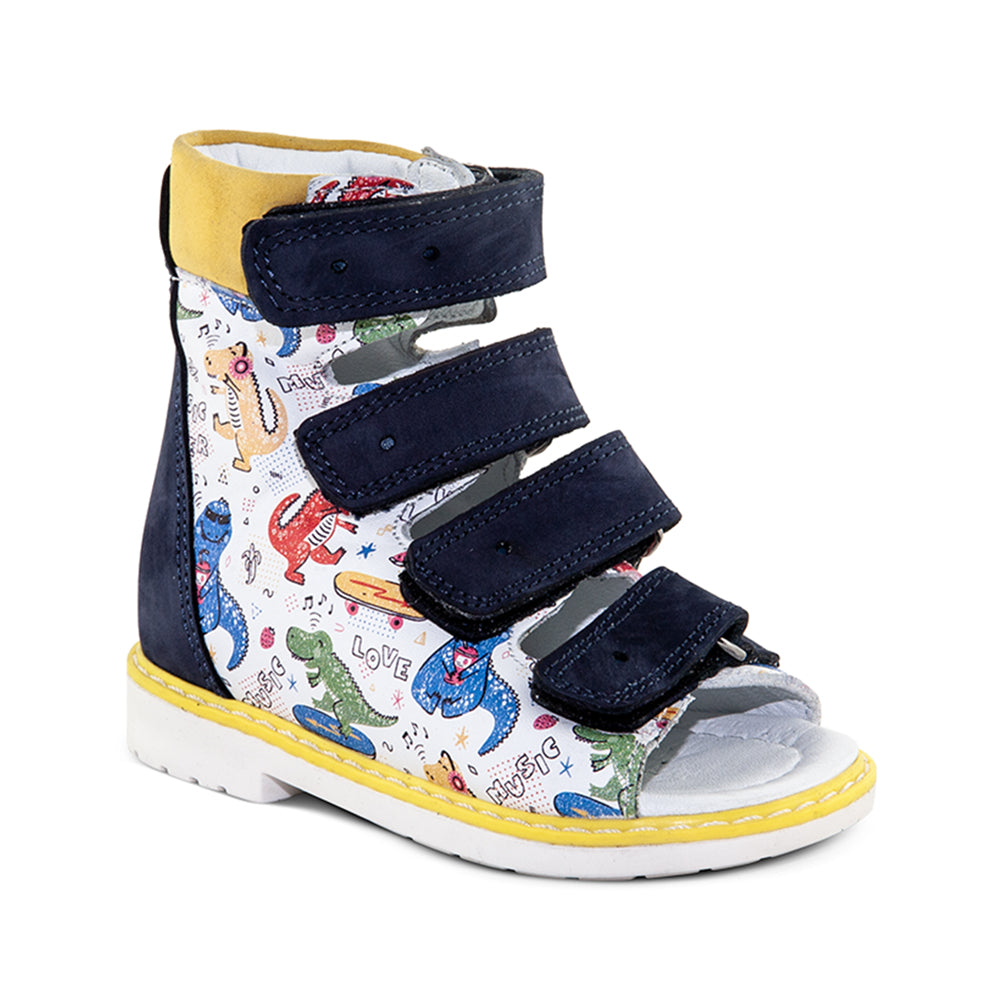
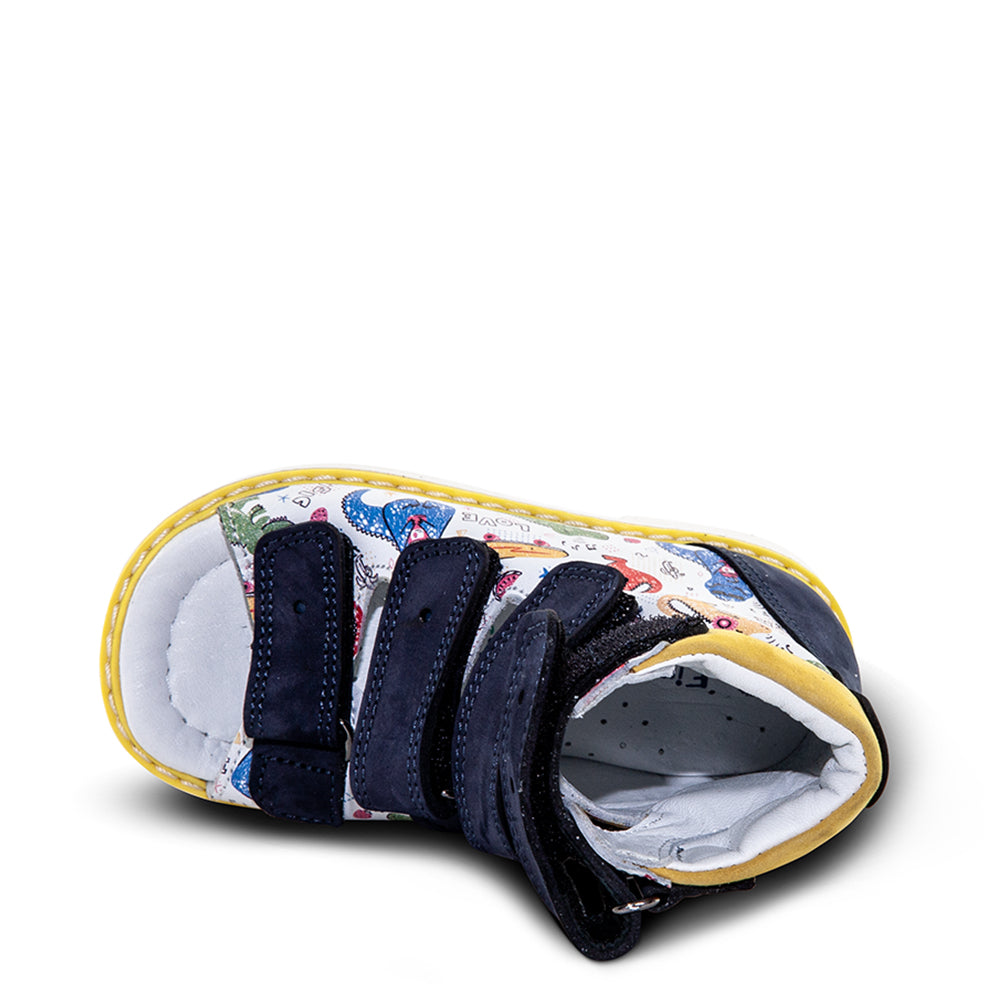
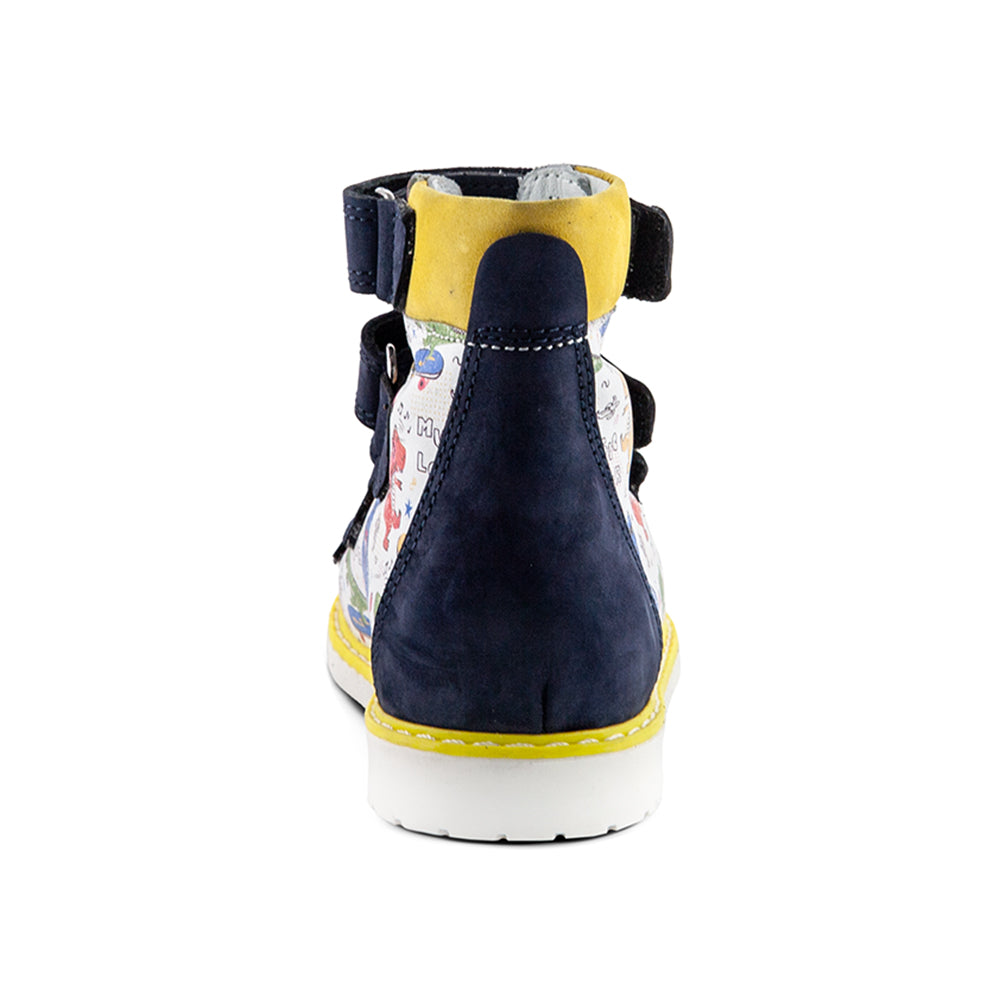
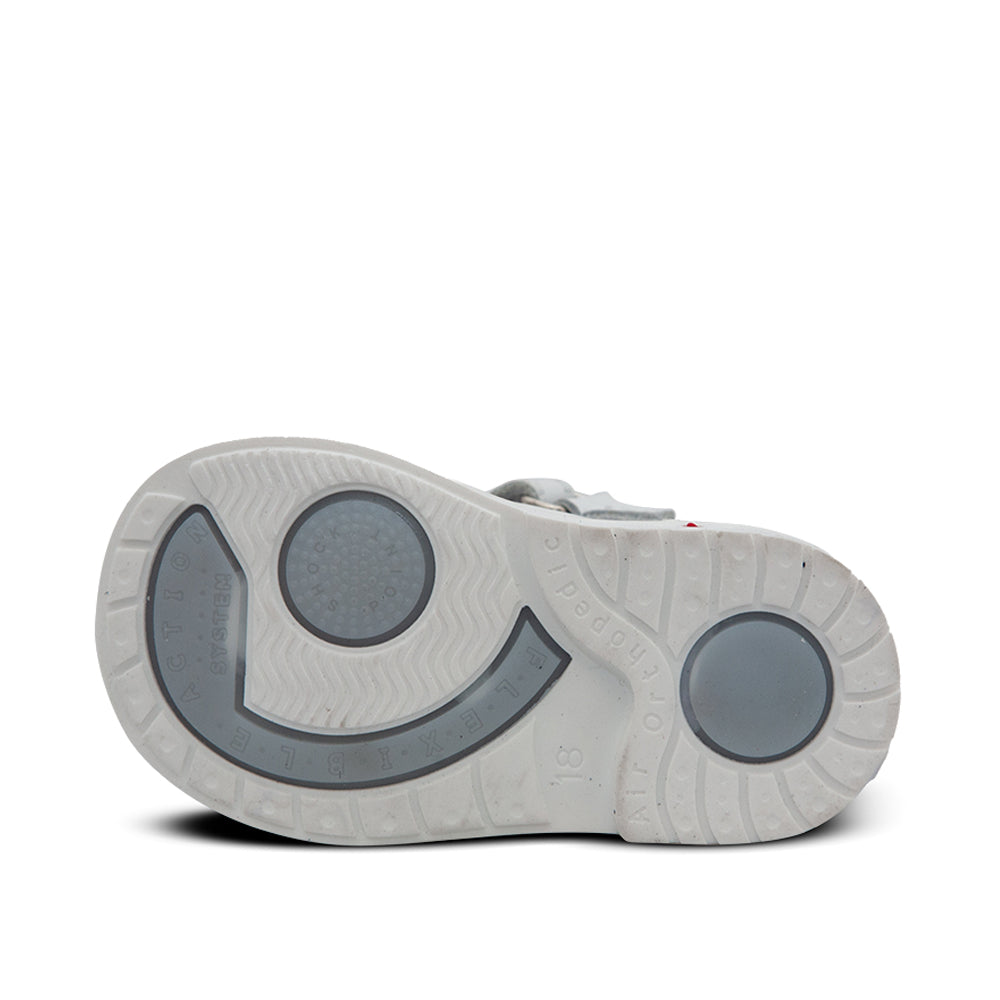
Rex Roamers Sandals
Adventure style that boys think is cool.
Type
Sandals
Material
Leather + Nubuck Leather
Sizes
18–30 (EU) | 2–11.5 (UK)
Benefits for kids needing ankle support
- Four Velcro straps create customized support zones
- Leather-and-nubuck gives structure where it's needed
- A special heel establishes proper foot alignment
- The rugged explorer look says adventure, not medical
- Air valves throughout keep feet cool and dry
Why they're a top choice
The Rex Roamers targets boys who think orthopedic footwear looks babyish and reject anything clinical. The rugged explorer look—textured materials, adventurous colors—says cool gear instead of medical equipment.
This matters more than you'd think. Boys who see their footwear as exploration gear wear it willingly and consistently.
Getting Ankle Support for Your Toddler
Ankle support shoes for toddlers provide the external stability their developing bones and immature balance systems need during early walking. The right shoes reduce fall risk, build confidence, and support natural gait development without restricting the movement their growing bodies require.
The Iris Charm offers versatile everyday stability that works across all environments, while the Cap Levi gives enhanced support for active toddlers who've graduated to running and climbing. Both deliver the ankle containment, secure fit, and proper structure that make early walking safer and more confident.

Browse orthopedic shoes designed for growing feet
First Walkers collection is meant for toddlers (12–24 months)
References
1. Andrea. (2021, May 17). Development Of Children's Feet | AC Podiatry. AC Podiatry.
https://acpodiatry.com.au/development-of-childrens-feet/
FAQs
Do all toddlers need ankle support shoes?
No. Most toddlers benefit from supportive shoes during early walking, but not all need high ankle support. If your toddler is particularly wobbly, prone to falls, or shows ankle rolling, supportive shoes help during this developmental phase.
How long will my toddler need ankle support shoes?
Typically, between ages 1-3, until you see consistent heel-to-toe walking, a narrowed stance, confident direction changes, and markedly fewer falls. Most toddlers naturally develop mature gait patterns by age 2.5-3.5.
Can ankle support shoes delay natural foot development?
Not when used correctly. Balance supportive shoes for higher-risk situations with supervised barefoot time on safe surfaces. This rotation provides support when needed while preserving opportunities for natural muscle development.
What's the difference between ankle support and orthotic shoes?
Ankle support shoes provide general stability for typical early walkers. Orthotic shoes are prescribed for specific medical conditions. If you're concerned about your toddler's gait, consult a pediatrician before assuming they need orthotics.
How do I know if the ankle support is working?
You should notice fewer falls, more confident walking, less visible ankle rolling, and your toddler seeming more willing to walk and explore. If you don't see improvement after 2-3 weeks, the shoes may not fit properly or your child may need professional evaluation.