Toddler Suddenly Walking With One Foot Turned In: What It Means
Most toddlers who suddenly start walking with one foot turned inward are experiencing normal developmental refinement that resolves on its own by ages 4-6. Persistent in-toeing with pain, limping, or frequent falling may require medical evaluation to rule out structural or neurological causes.




Published February 14, 2026
AI Summary


Has your toddler suddenly started walking with one foot pointed inward, even though they were walking normally before? It's unsettling to see this change, and it's natural to wonder what caused it and whether something's wrong.
The reassuring news is that this type of gait change is usually a normal part of toddler development as they refine their walking skills. This guide will help you understand what causes sudden in-toeing, when it's temporary, and what warning signs need medical attention.
What Causes Sudden In-Toeing in Toddlers?
In-toeing, or inward turning of the foot while walking, is often related to temporary postural changes during early developmental phases.
Gait refinement usually occurs between 18 months and 2 years as walking ability and gross motor skills develop [1]. Research shows that gait variations are common and part of normal development [2].
The most common structural causes include:
Inward twisting of the shin bone
Inward rotation of the thigh bone
Or inward deviation of the forefoot
Less commonly, gait changes can indicate neurological conditions.
Warning Signs That Need Medical Evaluation
One-sided in-toeing can temporarily alter your toddler's balance and coordination. You may notice your child appearing "clumsy" or tripping over their own feet.
Watch for these warning signs that suggest medical evaluation is needed and intoeing correction techniques won't work at home:
- Pain is indicated by reduced weight-bearing and limping
- Consistently inward-pointing foot that doesn't improve with growth
- Frequent falling or clumsiness beyond normal for their age
- Limping is consistent with a leg length difference
These signs can suggest an underlying hip issue or neurological condition rather than normal gait variation.
Supporting Toddlers With In-Toeing
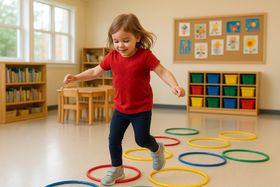
Encourage play that promotes balance and strength. Obstacle courses and stepping games develop coordination while giving you opportunities to observe movement patterns
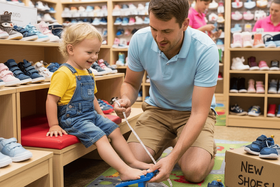
Choose supportive yet flexible shoes that promote normal foot growth and don't crowd the forefoot [3]. Allow your toddler to play barefoot indoors or while using barefoot shoes to develop foot strength. Avoid long periods in chairs or strollers [4]
It's normal for in-toeing to fluctuate depending on muscle fatigue, footwear, and activity level. Fatigued toddlers have reduced ability to maintain proper leg alignment. Activities like running typically exaggerate inward foot turning due to increased load through the legs
The inward turning can later appear on the other foot, usually suggesting a structural cause at the hip joints. Bilateral in-toeing doesn't necessarily indicate a serious problem; most cases resolve by age 8 [5]
When In-Toeing Is Normal Development
Sudden in-toeing is usually a temporary developmental variation that resolves naturally as your toddler grows. Most cases improve by ages 4-6 without intervention.
You can support your child through proper orthopedic footwear, active play, and observation. With patience and the right support, your toddler will continue developing the strength and coordination needed for confident walking.
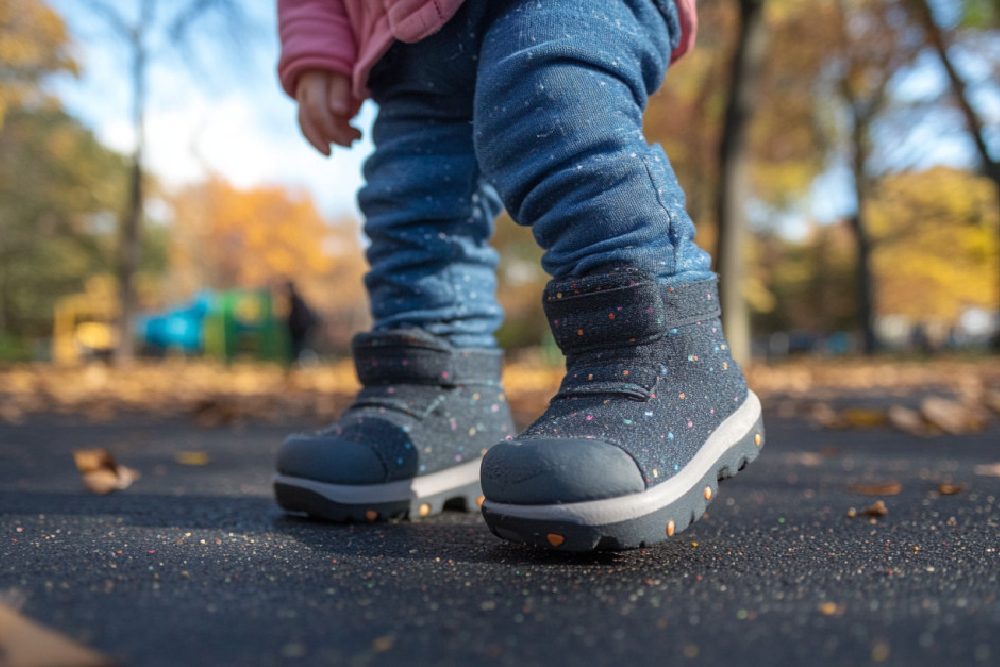
Put an End to Intoeing
Explore our guide to the best first walker shoes for healthy foot alignment.
References
1. In-toeing (Pigeon-Toed) and Out-Toeing (Duck-Footed). (n.d.). ucsfbenioffchildrens.org. https://www.ucsfbenioffchildrens.org/conditions/in-toeing-and-out-toeing
2. Johnston, L., Eastwood, D., & Jacobs, B. (2014). Variations in normal gait development. Paediatrics and Child Health, 24(5), 204–207. https://doi.org/10.1016/j.paed.2014.03.006
3. Nelson, L. (2025, March 31). The best outdoor activities for toddlers in barefoot shoes. Little Love Bug Co. https://www.littlelovebugcompany.com/blogs/news/the-best-outdoor-activities-for-toddlers-in-barefoot-shoes
4. Astrid. (2025, February 26). The best shoes for toddlers learning to walk – backed by science. Osteopathylagos. https://www.osteopathylagos.com/post/the-best-shoes-for-toddlers-learning-to-walk-backed-by-science
5. Intoeing Symptoms and Causes | Shriners Children’s. (n.d.). Shriners. https://www.shrinerschildrens.org/en/pediatric-care/intoeing
FAQs
Is it normal for a toddler to suddenly start walking with one foot turned in?
Yes, it's often normal. In-toeing is related to temporary postural changes during developmental phases as toddlers refine their walking skills between 18 months and 2 years.
When should I worry about my toddler's in-toeing?
Seek evaluation if you notice pain and limping, consistently inward-pointing foot without improvement, frequent falling beyond normal for their age, or limping suggesting leg length difference.
Will my toddler's in-toeing go away on its own?
Most cases resolve naturally without intervention between ages 4-6 years. If in-toeing persists beyond age 8 with activity limitations or frequent tripping, further evaluation is needed.
Can the other foot start turning in too?
Yes, the same inward turning can appear later in the other foot. This usually suggests a structural cause located higher up in the leg, commonly at the hip joints, but doesn't necessarily indicate a serious problem.
Does fatigue make in-toeing worse?
Yes, it's normal for in-toeing to fluctuate depending on muscle fatigue. Fatigued toddlers rely more on habitual movement patterns and have reduced ability to maintain proper leg alignment.
Should my toddler wear special shoes for in-toeing?
No special corrective shoes are needed. Choose supportive yet flexible shoes that promote normal foot growth and don't crowd the forefoot or restrict normal foot function.
Can in-toeing affect my toddler's walking development?
One-sided in-toeing may temporarily affect balance and coordination, causing clumsiness or tripping, but it shouldn't impact overall walking development.
What causes sudden in-toeing in toddlers?
Common structural causes include inward twisting of the shin bone, inward rotation of the thigh bone, or inward deviation of the forefoot. Less commonly, it may indicate neurological conditions.
Is barefoot walking better for toddlers with in-toeing?
Barefoot walking indoors helps develop foot strength and proprioception. Some research suggests barefoot walking reduces inward toe turning compared to shoes.
How can I help my toddler with in-toeing at home?
Encourage active play with obstacle courses and stepping games, allow barefoot time indoors, choose flexible supportive footwear, and avoid long periods in chairs or strollers.
Does running make in-toeing worse?
Activities like running typically exaggerate inward foot turning due to increased load through the legs, but this is normal and doesn't cause harm.
Can in-toeing indicate cerebral palsy or autism?
While gait changes can sometimes indicate neurological conditions like cerebral palsy or autism spectrum disorder, most in-toeing is simply a normal developmental variation. Other symptoms would typically be present alongside gait changes.