How to Correct Intoeing: 5 Safe, Proven Methods for Kids
Most intoeing resolves naturally as children grow. Supportive methods include orthopedic shoes for stability, correcting W-sitting habits, physical therapy for muscle balance, and patient observation as bones naturally remodel.




Published January 2, 2026
AI Summary


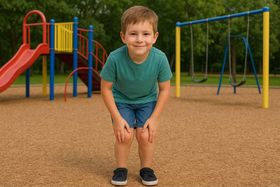
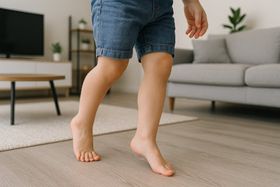
If your toddler walks with their toes pointing inward instead of straight ahead, and maybe they trip over their own feet more than other kids, you may ask if it's normal or if you need to do something about it.
Here's what you need to know: intoeing (that pigeon-toed walk) is really common in growing kids. And it almost always fixes itself as they grow. Let's look into this, as understanding what's happening and knowing a few simple things that actually help can give you real peace of mind.
What Causes Intoeing in Kids
The reason for intoeing changes depending on how old your child is [1]:
- Ages 1-3: When toddlers start walking, their feet might look curved inward. This happens because of how they were positioned in the womb. The foot itself has a curved shape
- Ages 3-6: Now it's usually the shin bone that's rotated a bit inward. You'll notice it more once they're really walking and running around
- Ages 6-9: At this age, it's often the thigh bone turning inward. This one's linked to that W-sitting position and weaker hip muscles
For most kids, this is just a temporary phase during their gross motor development. You only need to worry if your child has pain, falls a lot (beyond normal toddler tumbles), won't play actively because of it, or if it's still happening after age 9.
Safe Ways to Correct Your Child's Intoeing
1. Let Nature Do Its Thing to Correct Your Child's Intoeing
Here's something most parents don't know: Very often, the best thing you can do is simply watch and wait.
As your child grows, their bones naturally straighten out. That inward rotation gradually fixes itself over time as bones mature and muscles get stronger. This works for kids over 3 who don't have a rigid foot deformity and who aren't dealing with pain, balance problems, or trouble playing.
How Long Does it Take
Years, not months. This is a slow process that happens as your child grows. You can take photos or videos every few months to track the gradual changes.
Alongside this, keep regular check-ups with your pediatrician. If things get worse instead of better, or new problems pop up, then you'd want to see a specialist.
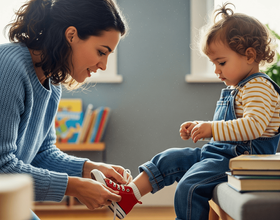
2. Supportive Shoes to Correct Your Child's Intoeing
Good supportive shoes for pigeon toes won't permanently fix intoeing, but they help keep feet stable and protected while growth does its job.
The shoes with firm backs and bendy bottoms help feet stay aligned better during running and playing. They give stability when your child is pushing off the ground and bearing weight.
This is best for kids who are walking and playing outside, especially after their first birthday. Really helpful if your child falls often or has mild intoeing.
How to Use Them
Get the right size with plenty of room for toes to move. Let your child go barefoot plenty too—shoes are for protection during outdoor play, not a fix.
Keep in mind that these are supportive, not corrective. If the shoes don't fit right, they can actually make things worse. And if you're seeing serious symptoms, talk to a doctor rather than just buying special shoes.
3. Fix That W-Sitting Habit to Correct Your Child's Intoeing
You're probably used to seeing your little one W-sitting. This is when kids sit on their bottom with knees bent and feet out wide behind them. If that's the only way your child sits, it can make thigh bone rotation worse.
Getting your child to sit in different positions stops the thigh bone from settling into that turned-in pattern. Cross-legged, legs straight out, sitting to the side—all these are better. It's best for kids 3 and older who sit on the floor a lot for playing, homework, or TV time. Especially if W-sitting is their go-to position.
How to Do It
Gently redirect instead of constantly nagging. Make it fun, make it a game like saying: "Let's sit crisscross!"
Don't force uncomfortable positions. If W-sitting is just one of several positions they use, that's okay.
Now, you might see changes in weeks to months, depending on how strong the habit is, but the sooner you start, the easier it is.
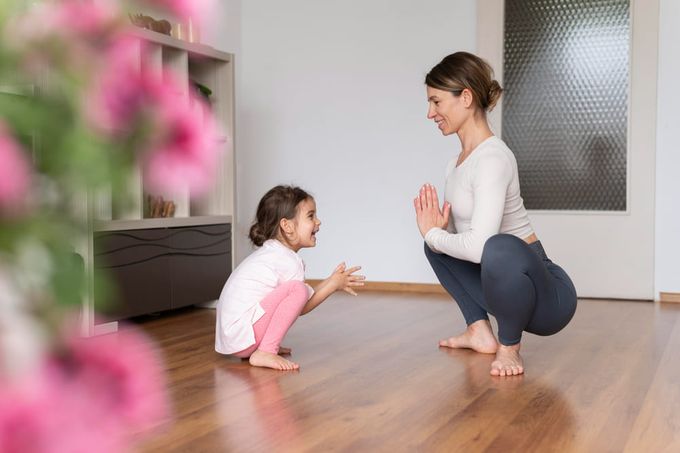
4. Exercises and Physical Therapy to Correct Your Child's Intoeing
Physical therapy is about keeping muscles strong, improving balance, and helping your child move better overall.
How it Works
A pediatric physical therapist creates fun, game-like exercises that strengthen hip muscles, improve coordination, and work on balance. Kids actually enjoy these because they feel like playing.
This is best for kids with weak muscles, causing lots of falls, poor coordination, or who are behind on developmental milestones. It works for any age, but it isn't the answer for structural foot problems.
How long it takes depends completely on how consistent you are. Mild issues might improve in weeks. Bigger problems take months or years of regular practice.
5. Braces or Casting to Correct Your Child's Intoeing
This is only for one very specific situation that a doctor diagnoses.
It's used only for rigid, curved feet (called metatarsus adductus), which is identified in babies [2]. This is when the foot is stuck in a curved position and won't straighten out on its own.
How it is Done
Special casts or braces hold the foot in a better position while the bones are still soft enough to reshape. This guides the foot to grow straighter. Results show up pretty quickly, often within weeks when done in early infancy.
When to Actually Worry About Your Child's Intoeing
Most intoeing goes away on its own. But you must call your doctor if you notice:
- Your child has pain during or after walking
- They fall way more than other kids their age
- They don't want to run and play like their friends
- The pattern is still there or getting worse after age 9
- The intoeing is so severe that it's limiting normal movement
- One leg is way worse than the other
In rare cases where nothing helps and the problem is really limiting your child after age 9, surgery might be an option. But this is truly rare and only for severe cases.
How to Support Your Child
While you're watching your child's intoeing, remember that constantly correcting them and pointing it out can make kids feel self-conscious. They might start avoiding activities or feel like something's wrong with them.
Watch and gently guide, but don't make it a big deal. Use encouraging words instead of constant corrections. Instead of "Stop sitting like that!" try "Let's sit like a pretzel together!" Keep it positive and natural.
Supportive orthopaedic shoes can give you peace of mind during the waiting period. They provide stability during active outdoor play while natural growth does the real work. Think of them as helpful support, not a cure.
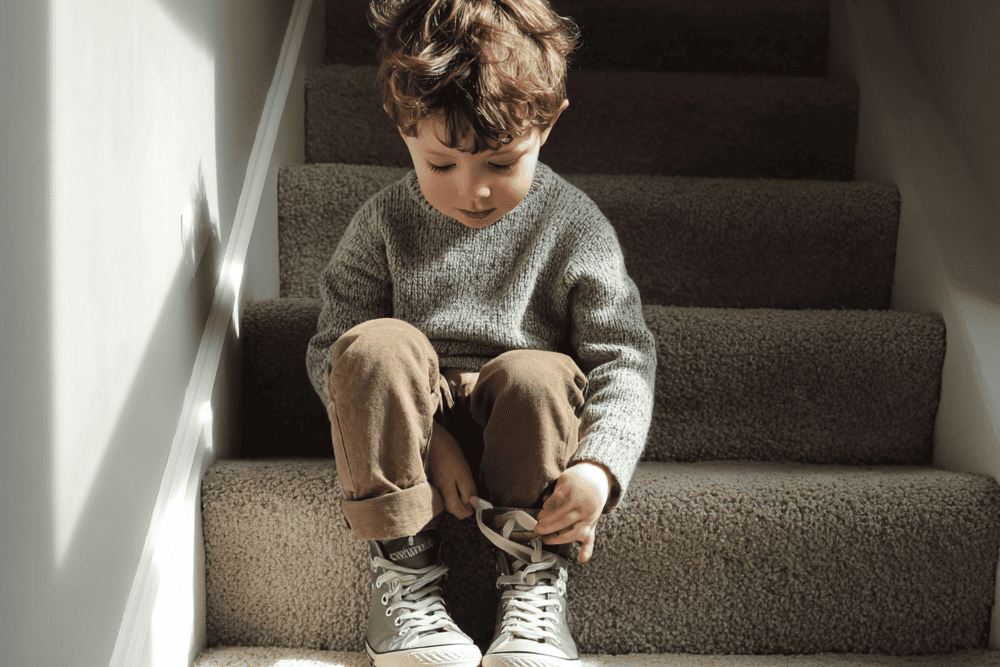
Help Your Little One's Feet
Explore our collection of orthopedic footwear designed specifically for supporting little feet.
References
1. Jarman, M. (2023, October 23). Pediatric In-Toeing (Pigeon toes) causes and treatment. Pediatric Foot & Ankle. https://pediatricfootankle.com/foot-conditions/in-toeing-pigeon-toes/
2. Metatarsus adductus. (2025, June 2). Cleveland Clinic. https://my.clevelandclinic.org/health/diseases/22911-metatarsus-adductus
FAQs
Will my child's pigeon-toed walk fix itself?
Yes, almost always. As kids grow, their bones naturally straighten out and the inward turning fixes itself by ages 8-10. You only need to do something if there's pain, lots of falls, or trouble playing.
What causes intoeing in toddlers?
It depends on age. Ages 1-3: curved foot from how they sat in the womb. Ages 3-6: shin bone rotated inward. Ages 6-9: thigh bone turned inward, often from W-sitting and genetics.
Do I need special shoes for intoeing?
Not to fix it, but good supportive shoes help during active play. Choose shoes with firm backs and bendy bottoms. Balance shoe time with lots of barefoot play for healthy foot development.
Is W-sitting really bad?
If it's the only way your child sits for long periods, yes—it can worsen thigh bone rotation. Encourage different positions like cross-legged or legs straight out. Don't force it, just gently redirect. A mix of positions is best.
When should I actually worry?
Talk to your doctor if there's persistent pain, way more falls than normal, your child won't play actively, or if intoeing is still there after age 9 and getting worse. Also if one leg is much worse than the other.
Can exercises fix pigeon-toed walking?
Exercises help with muscle strength, balance, and coordination but can't fix bone rotation directly. They work best for kids with weak muscles alongside intoeing. You need to be consistent for months to see results.