Kleinkindentwicklung: Von wackeligen Schritten bis zu großen Sprüngen – Fokus auf Füße und Beine
Das Kleinkindalter ist geprägt von einer rasanten körperlichen und kognitiven Entwicklung. Wir fiebern jedem Meilenstein entgegen – von den ersten Schritten bis hin zu den energetischen Sprüngen, die darauf folgen.
Während wir diese Fortschritte feiern, ist es entscheidend, das Fundament dieser Entwicklung genau im Auge zu behalten: die Füße und Beine.
Das Fundament der Mobilität: Die Fuß- und Beinentwicklung
Füße und Beine von Kleinkindern wachsen ständig und legen den Grundstein für ein Leben voller Bewegung. Das Verständnis dieses Prozesses hilft Ihnen dabei, potenzielle Probleme frühzeitig zu erkennen, zu verhindern und eine gesunde Entwicklung zu fördern.
Wichtige Entwicklungsmeilensteine
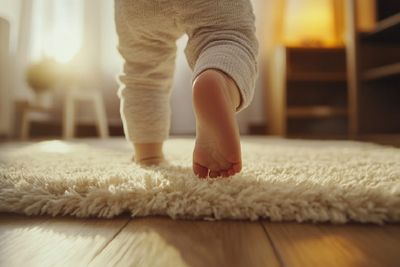
12–18 Monate: Kleinkinder beginnen, sich hochzuziehen und machen erste eigenständige Schritte. Der Gang ist oft noch unsicher und breitbeinig, um das Gleichgewicht zu halten.
18–24 Monate: Die Gehfähigkeiten verfeinern sich. Erste (noch etwas unbeholfene) Laufversuche starten und Treppen werden mit Hilfe erklommen. Das Fußgewölbe entwickelt sich, auch wenn die Füße oft noch flach erscheinen.
2–3 Jahre: Das Laufen wird flüssiger, die Kinder beginnen zu springen und können Treppen meist eigenständig steigen. Füße und Beine werden kräftiger, der Gang stabiler.
3–4 Jahre: Kinder können hüpfen, überspringen und führen komplexere Bewegungen aus. Die Fuß- und Beinmuskulatur ist gut entwickelt und unterstützt die zunehmende Agilität.
Fuß- und Beinentwicklung verstehen
Entwicklung des Fußgewölbes: Die meisten Kleinkinder haben anfangs Plattfüße. Das Gewölbe bildet sich schrittweise aus und ist meist mit 3 oder 4 Jahren deutlich ausgeprägt.
Muskelkraft: Die Beinmuskulatur kräftigt sich im Kleinkindalter stetig und ermöglicht komplexere Bewegungsabläufe.
Knochenwachstum: Die Knochen bestehen anfangs primär aus Knorpel und verknöchern erst nach und nach. Das macht sie anfällig für Wachstumsstörungen.
Gangentwicklung: Der Gang wandelt sich von einem breitbeinigen, unsicheren Watscheln hin zu einem koordinierten und effizienten Schritt.
Häufige Bedenken und potenzielle Probleme
Einwärtsgang / Auswärtsgang: Reguliert sich oft von selbst, sollte aber bei schweren oder anhaltenden Fällen untersucht werden.
Zehenspitzengang: Anhaltendes Gehen auf Zehenspitzen kann auf zugrunde liegende Probleme hindeuten und sollte abgeklärt werden.
Plattfüße: Häufig unbedenklich, erfordern aber bei Schmerzen oder Beschwerden einen Besuch beim Kinderarzt.
Pronation / Supination: Übermäßiges Einwärts- oder Auswärtsrollen des Fußes kann das Gangbild beeinflussen.
Beinlängendifferenz: Unterschiedlich lange Beine können die Körperhaltung und den Gang beeinträchtigen.
Entwicklungsverzögerungen: Verzögerungen beim Erreichen motorischer Meilensteine können auf Wachstumsstörungen hindeuten.
Gesunde Fuß- und Beinentwicklung fördern
Barfußspielen: Ermutigen Sie Ihr Kind, verschiedene Untergründe barfuß zu erkunden. Das fördert die sensorische Entwicklung und stärkt die Fußmuskulatur.
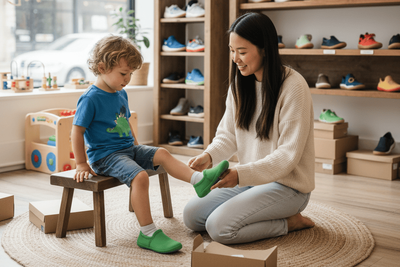
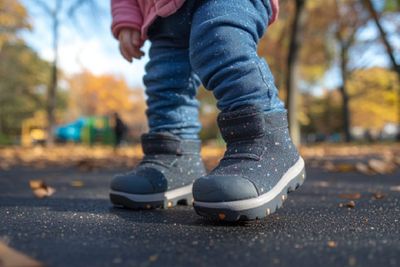
Stützendes Schuhwerk: Wählen Sie Schuhe, die gut sitzen, das Fußgewölbe stützen und natürliche Bewegungen zulassen.
Bewegung fördern: Schaffen Sie Gelegenheiten für Laufen, Springen und Klettern.
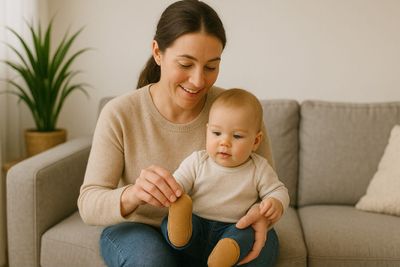
Regelmäßige Vorsorge: Planen Sie Routineuntersuchungen beim Kinderarzt ein, um die Entwicklung zu überwachen.
Probleme frühzeitig ansprechen: Konsultieren Sie einen Experten, falls Ihnen beim Gehen Ihres Kindes Unregelmäßigkeiten auffallen.
Gesunde Ernährung: Eine Ernährung reich an Kalzium und Vitamin D ist essenziell für die Knochengesundheit.
Bildschirmzeit begrenzen: Fördern Sie aktives Spielen statt passiver Bildschirmzeit.
Wann Sie professionellen Rat suchen sollten
Anhaltende Schmerzen oder Beschwerden in Füßen oder Beinen.
Auffällige Veränderungen im Gangbild oder in der Körperhaltung.
Verzögerungen beim Erreichen motorischer Meilensteine.
Sichtbare Verformungen oder ungewöhnliche Fußstellungen.
Allgemeine Bedenken hinsichtlich der Entwicklung Ihres Kindes.
Indem Sie die Fuß- und Beinentwicklung im Kleinkindalter verstehen, können Sie die nötige Unterstützung und Orientierung bieten, damit Ihr Kind selbstbewusste Schritte in eine gesunde und aktive Zukunft macht.