6 Best Orthopedic Winter Boots for Kids to Keep Little Feet Warm
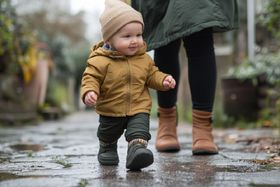
Kids' feet lose heat faster than adults, and most winter boots sacrifice foot health for warmth. These 6 orthopedic winter boots for kids keep little feet warm, dry, and properly supported through every cold-season adventure.




Published June 9, 2026
AI Summary


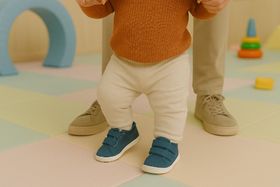
Winter footwear is one of those things that looks simple from the outside but matters more than you might realise. Your child's feet are still developing, their bones are largely cartilaginous, and cold air, wet surfaces, and bulky boots can all interfere with healthy movement if you choose the wrong pair.
Now, the right boot doesn't have to be a compromise. These six picks keep little feet warm, dry, and properly supported all winter long.
Our Top Picks for Orthopedic Winter Boots
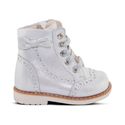
Pearly Sheila Boots
For a girl who needs real orthopaedic support but shouldn't have to look clinical, the Pearly Sheila delivers both.
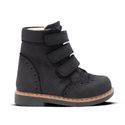
Dacota Trinket Boots
Stability and comfort for flat-footed toddlers with orthopedic arch support, a Thomas heel, and breathable leather construction.
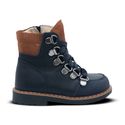
Rocky Rick Boots
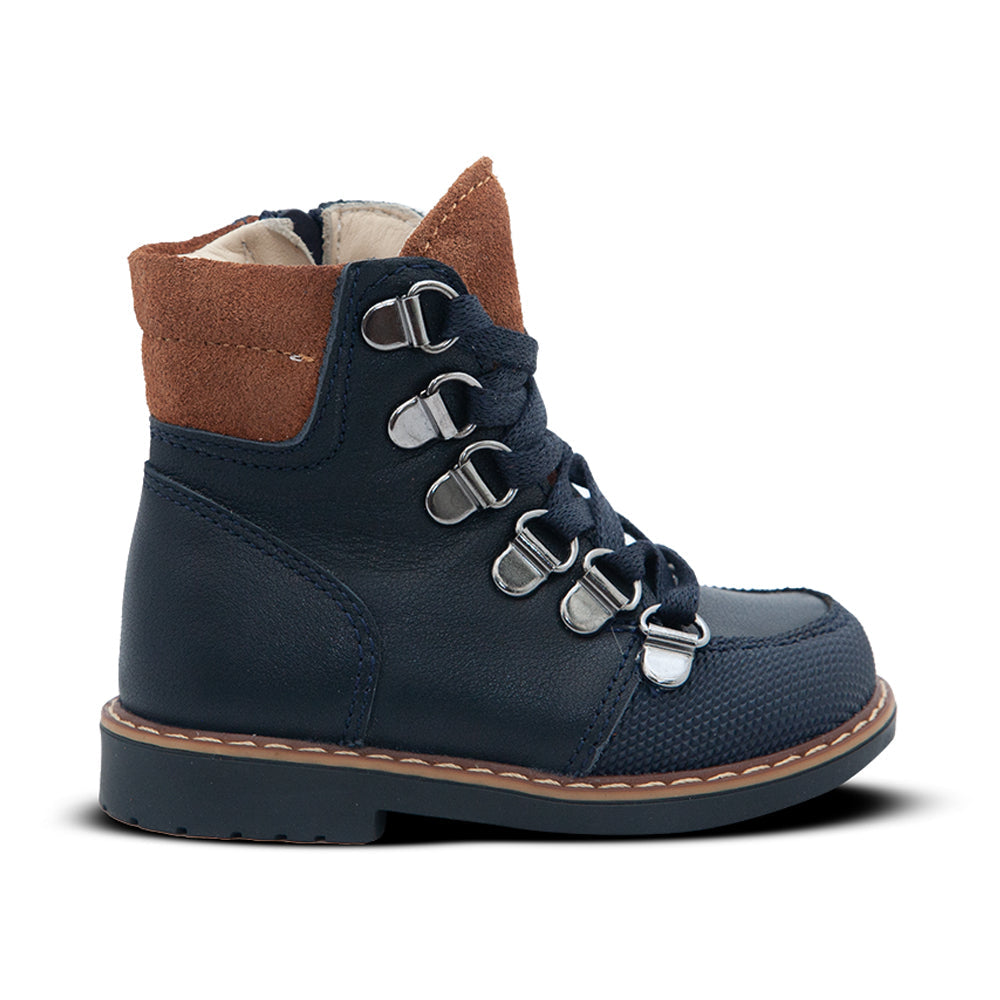
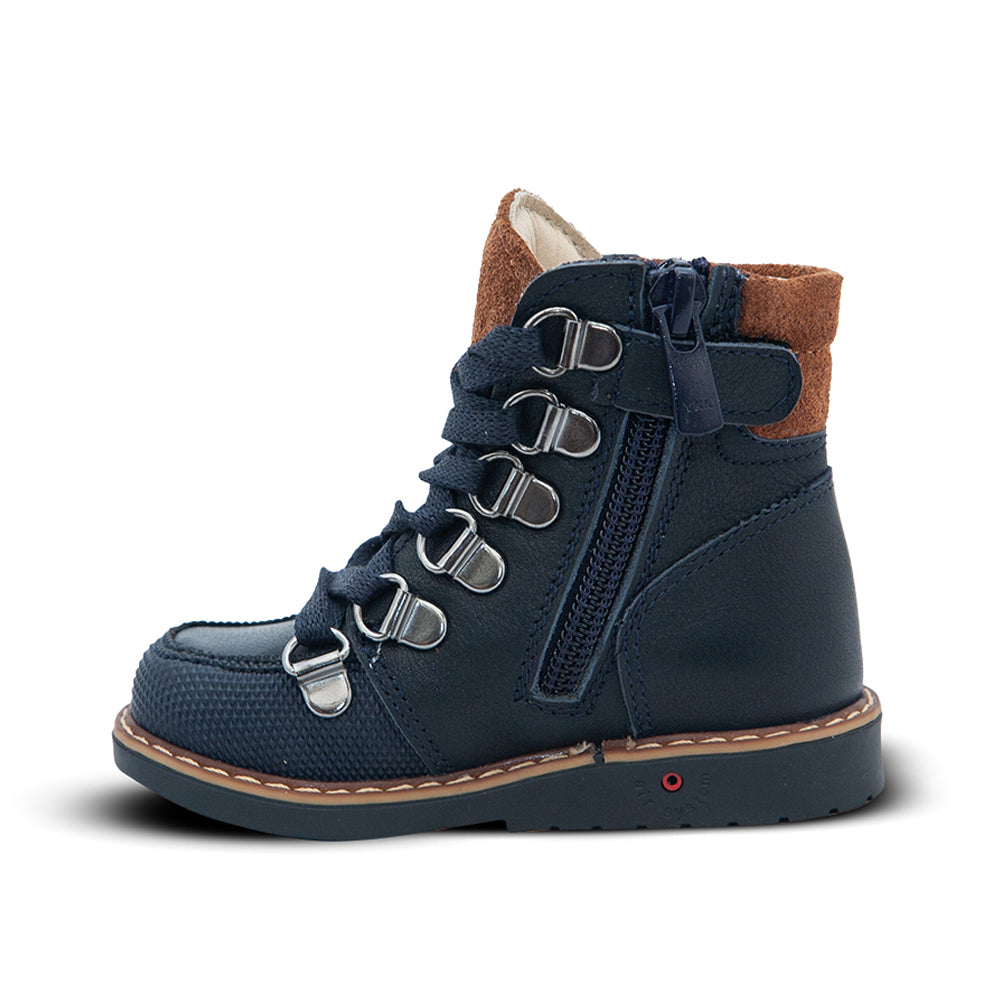
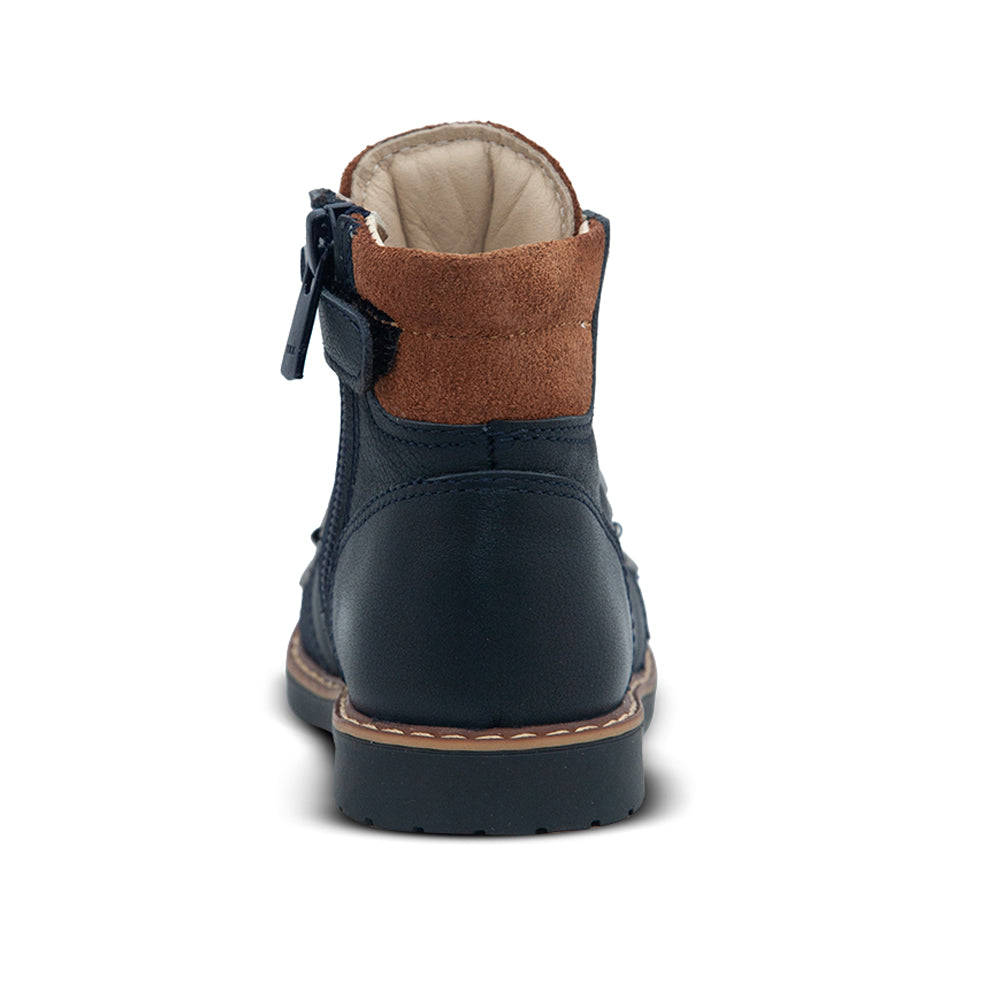
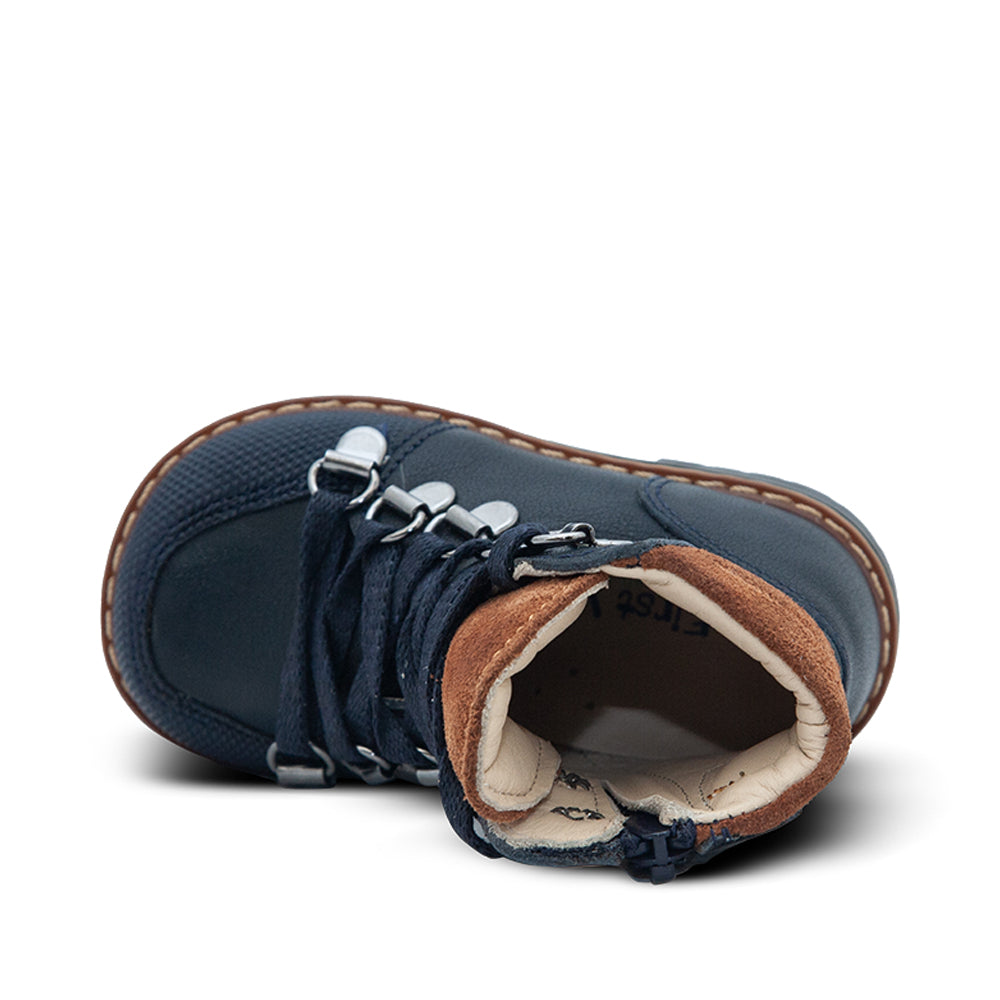
Rugged leather and nubuck boots with a reinforced toe cap and Thomas heel, built for boys who treat winter as a contact sport.
Show more
Are Orthopedic Winter Boots for Kids Worth It
Children's feet have a high surface-area-to-mass ratio, which means they lose heat to cold environments much faster than adult feet do.
Add the fact that kids' feet sweat heavily, and wet feet lose heat roughly 25 times faster than dry ones, and you start to understand why standard winter boots often fall short [1].
- Most kids' winter boots pile on insulation without addressing moisture, fit, or foot alignment.
- A boot that is too tight restricts circulation and actually makes feet colder.
- A soft, collapsing heel counter offers none of the rearfoot stability a developing foot needs.
Orthopedic winter boots for kids solve all of this in one pair.
What to Look for in the Best Winter Boots for Kids
Before getting to the picks, here is what actually matters when choosing the best winter boots for toddlers and children.
- True waterproofing paired with breathability: Insulation means nothing if moisture builds up inside the boot. Look for leather uppers and moisture-wicking linings that keep feet dry from both directions.
- A firm heel counter: Press past the padding and check that the cup at the back resists collapse. This is the feature most budget winter boots skip entirely.
- A flexible sole at the toe break: The boot should bend where the foot bends, at the ball, not the arch. Rigid soles disrupt natural gait and are especially problematic for toddlers still building their walking pattern.
- Room for a thick sock without cramping the toes: Fit your child's boot with the sock they will actually wear. A wide toe box is non-negotiable, and the heel should stay secure without slipping.
- A slip-resistant outsole: Cold-stable rubber with a lugged tread is essential for wet pavements, icy paths, and slippery surfaces. This is a genuine safety feature, not a bonus.
How to Get the Right Fit in Kids' Winter Boots
Always fit your child's winter boots with the sock they will actually wear. A thick sock changes the fit, and insulation makes a boot look far roomier on the outside than it is within.
Children under three can gain half a size every two to three months, so check the fit every eight to twelve weeks rather than waiting for complaints. A child whose toes curl inside a boot will rarely tell you.
6 Best Orthopedic Winter Boots for Kids
1

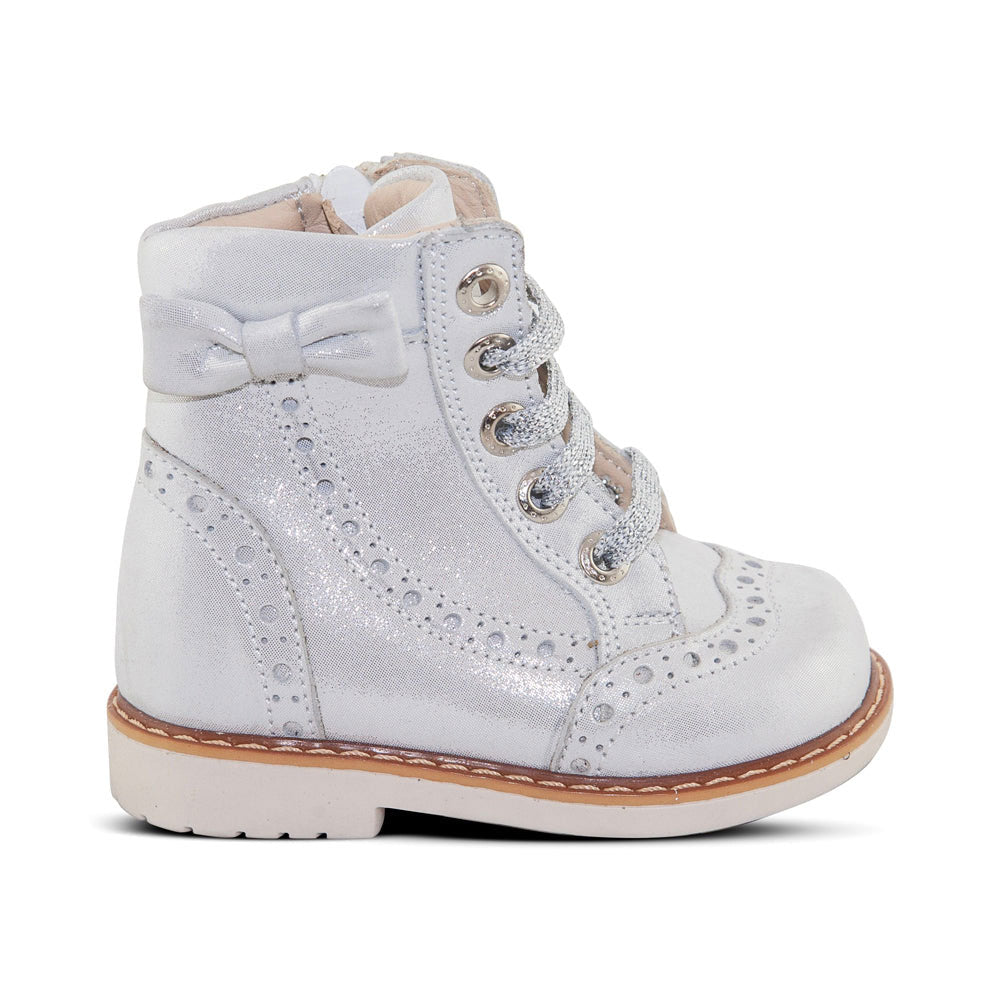
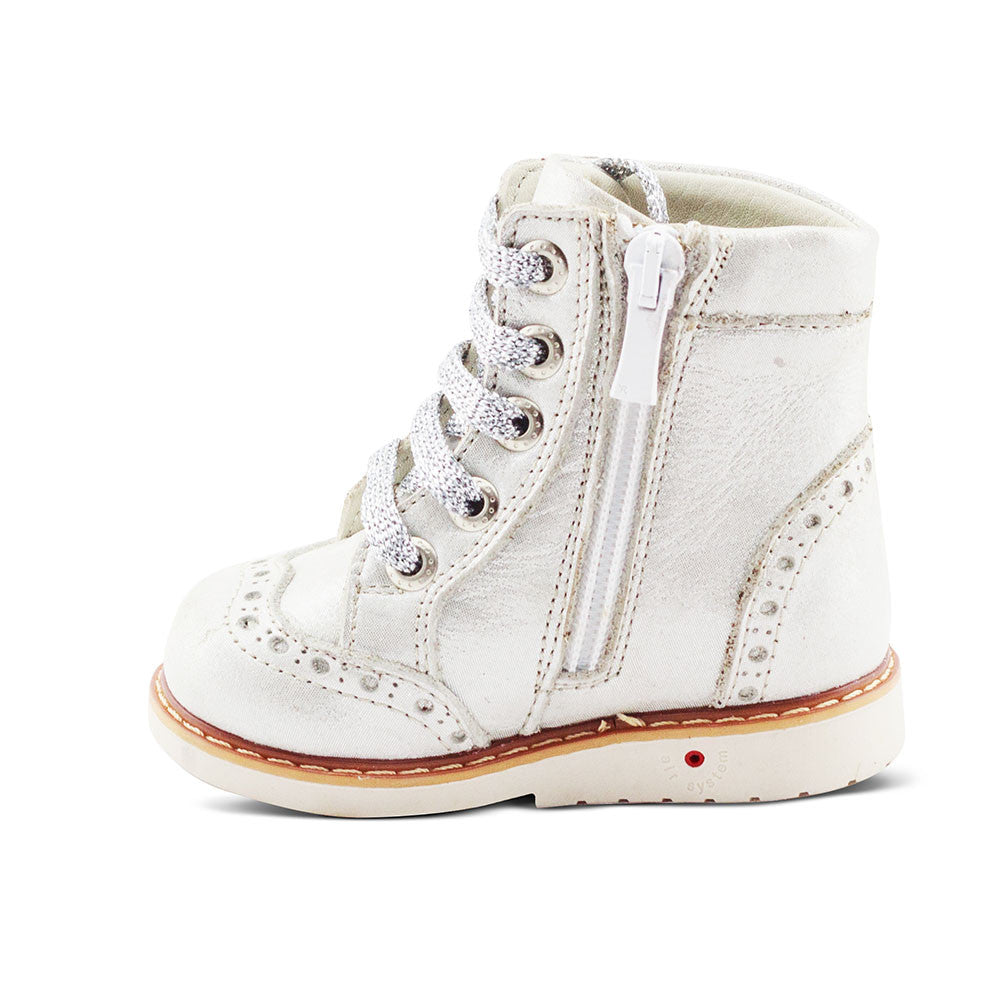
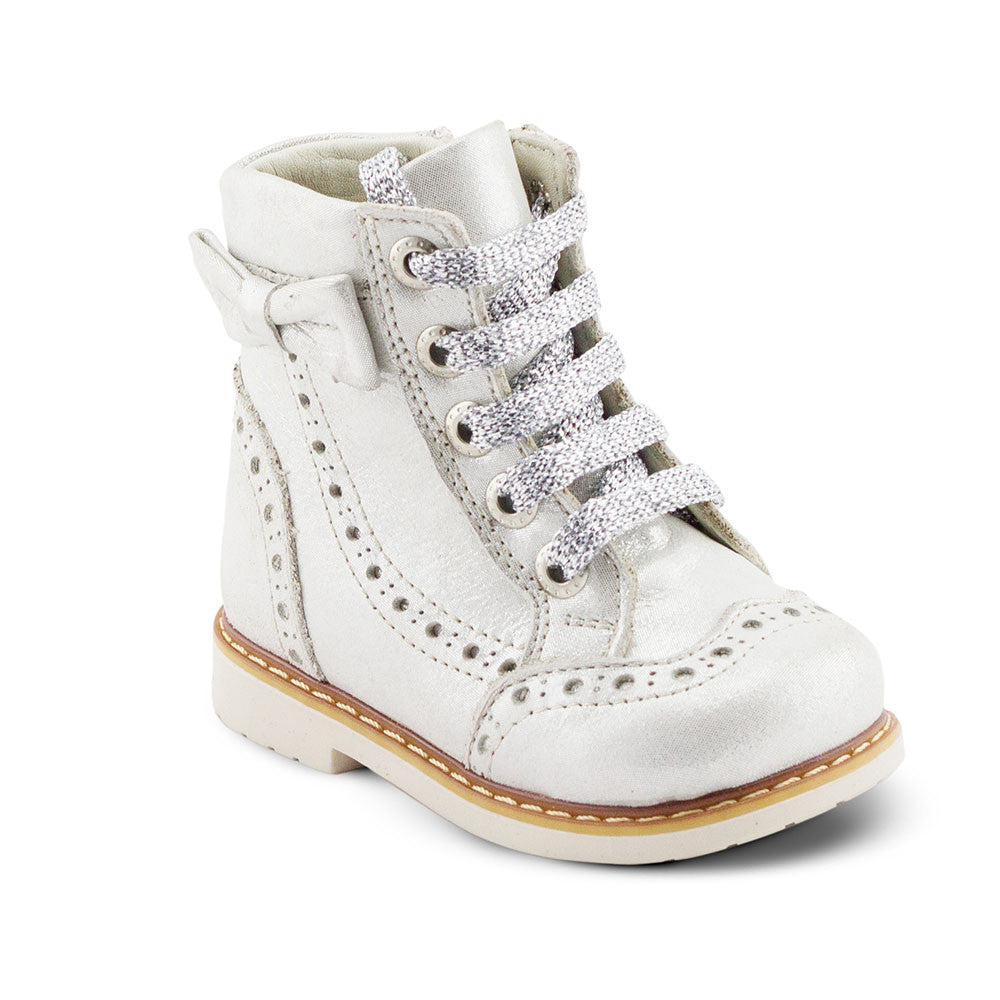
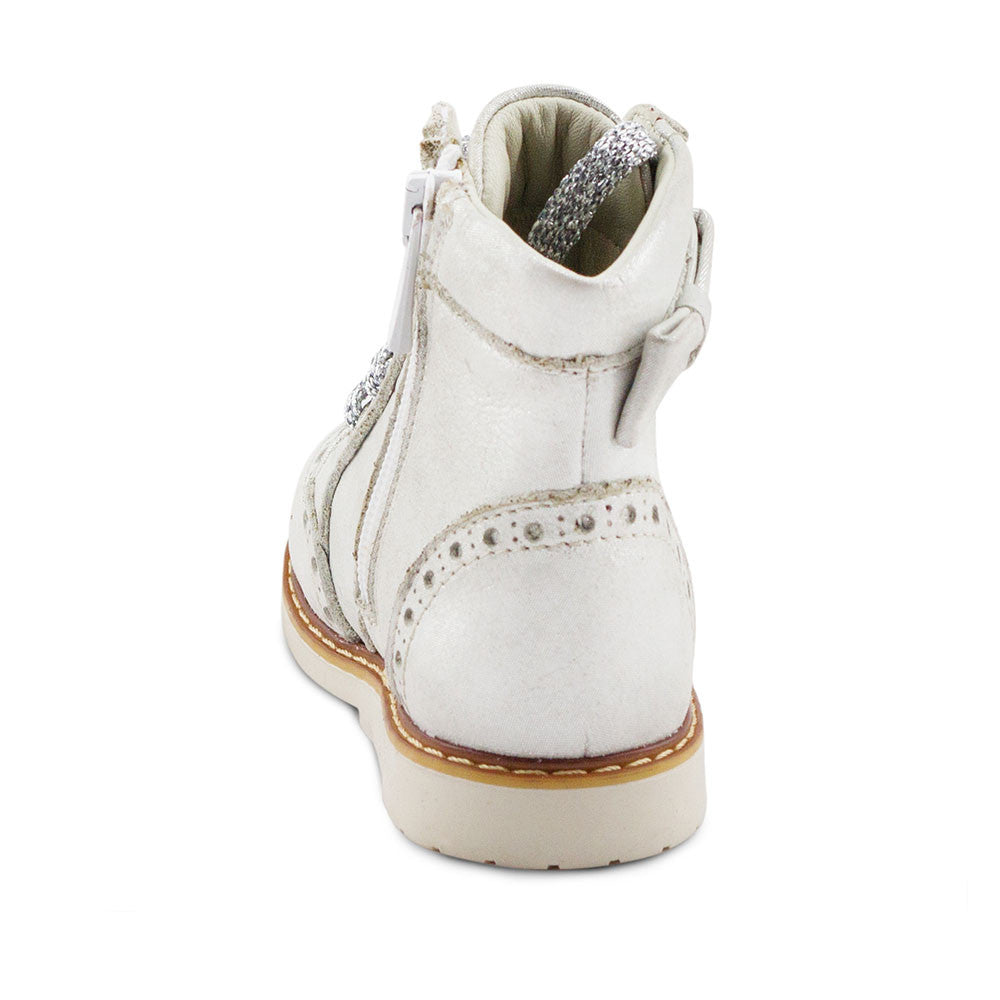
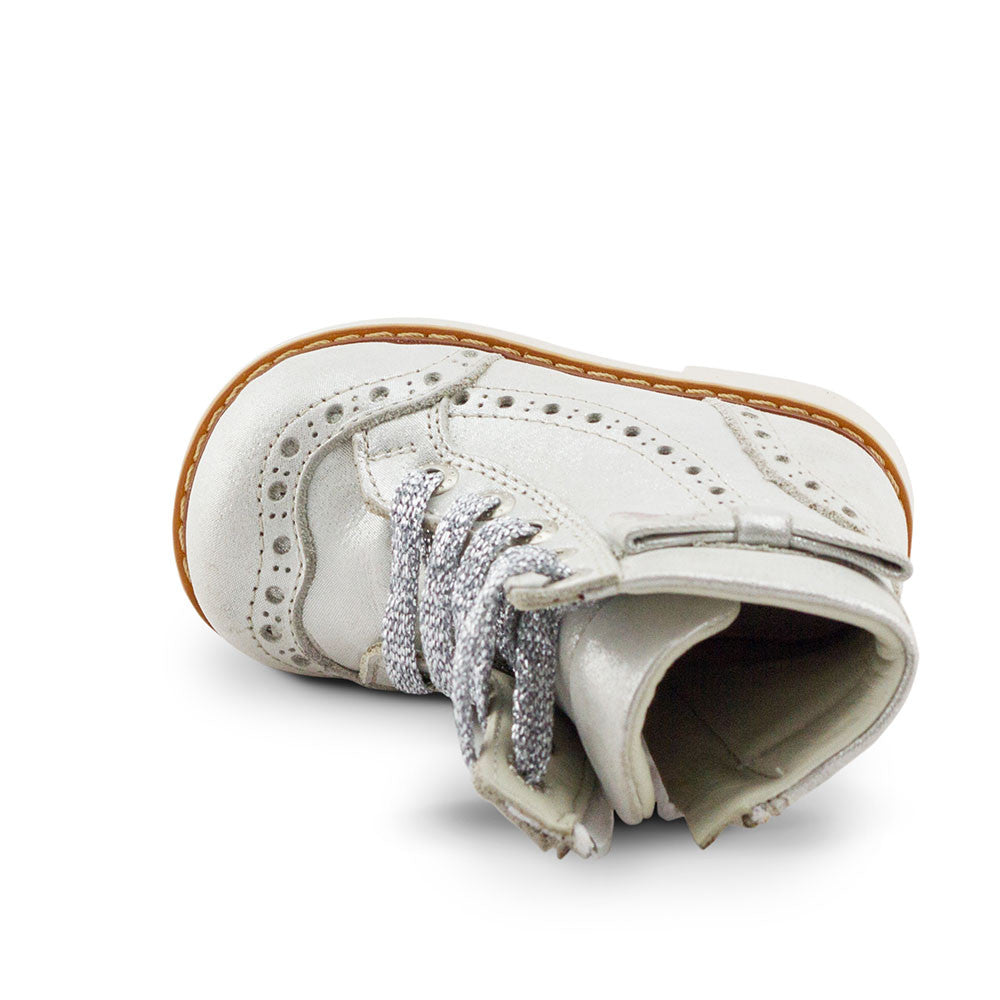
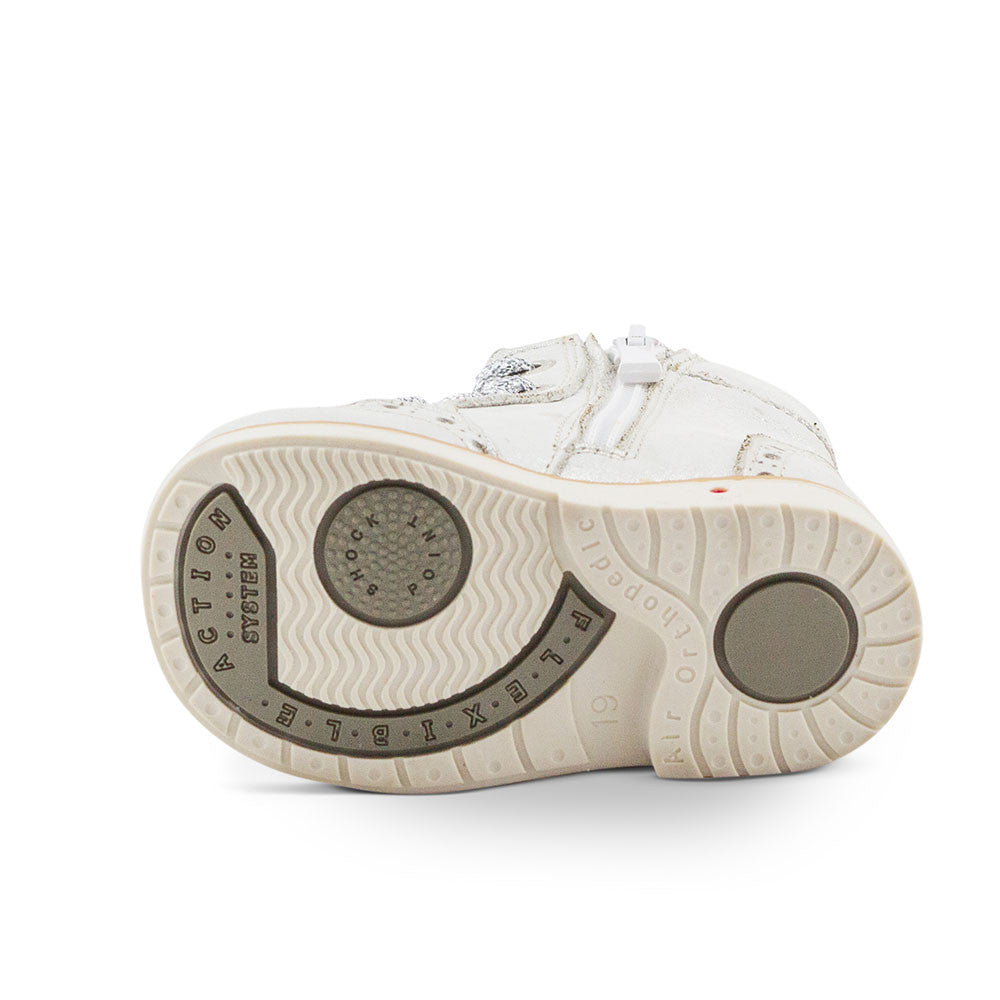
Pearly Sheila Boots
Stylish and supportive with a princess finish that works from nursery to holiday gatherings.
Type
High-top boots
Material
Leather
Sizes
18–30 (EU) | 2–11.5 (UK)
Winter benefits and features
- Lace and side zipper closure
- Extended ankle support
- Extended tongue for AFO fit
- Anti-bacterial insoles
- Shock-absorbent thermoplastic outsoles
- High built-in arch support
- Air valves for moisture reduction
- Thomas heel
Why they're a top choice
The Pearly Sheila is the winter boot for girls who need genuine orthopaedic support without wearing something that looks medical. High built-in arch support cushions the medial arch, while the lace-and-zipper closure lets parents cinch the instep precisely, locking the foot back into the heel to prevent inward rolling.
The extended tongue is shaped for the best AFO fit, making it a strong choice for children wearing ankle-foot orthoses. The silver, lacy upper with side bows is dressy enough for holiday outings yet versatile enough for everyday winter wear.
2
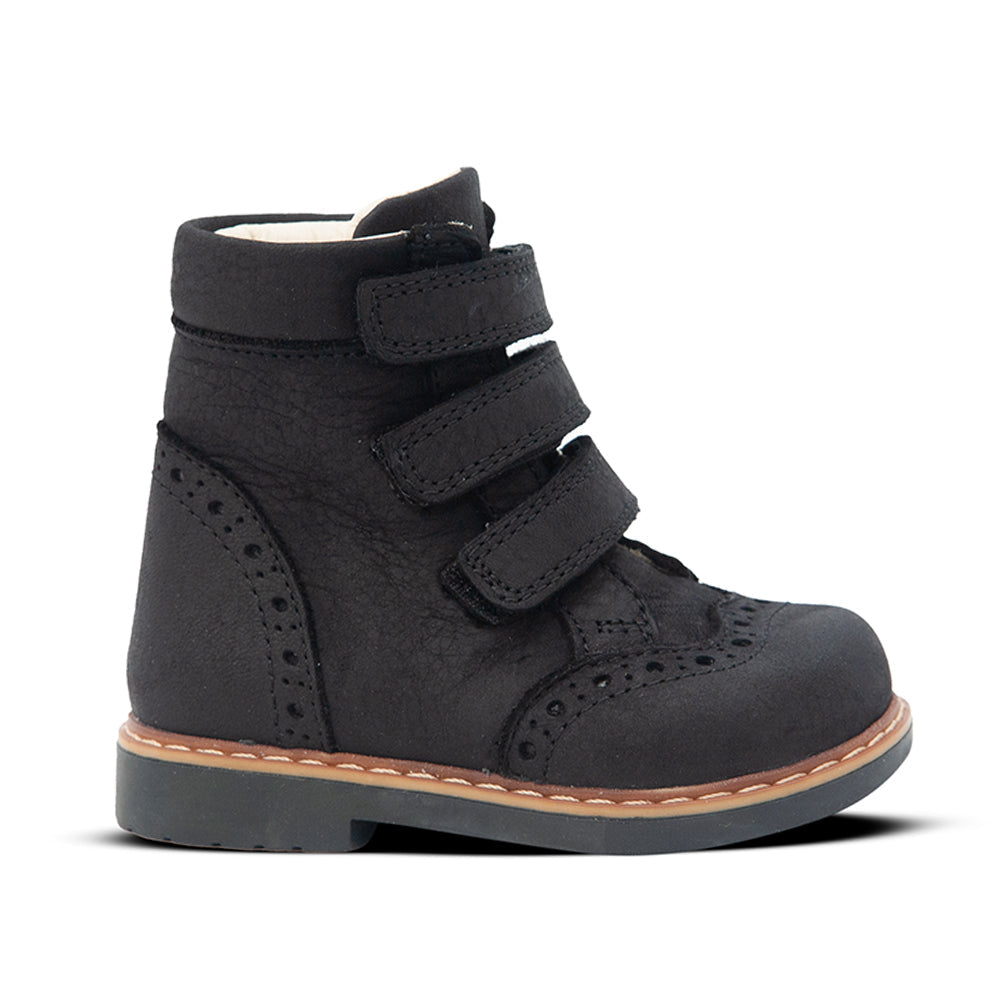
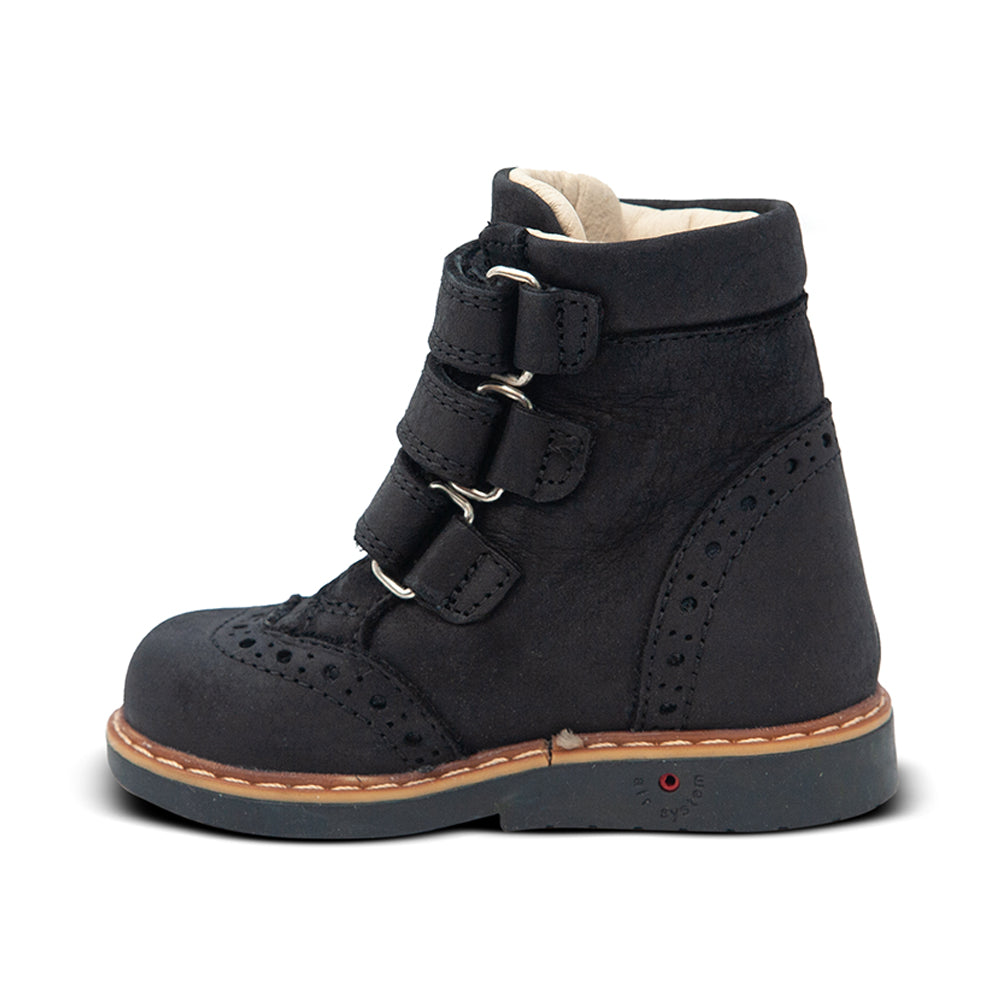
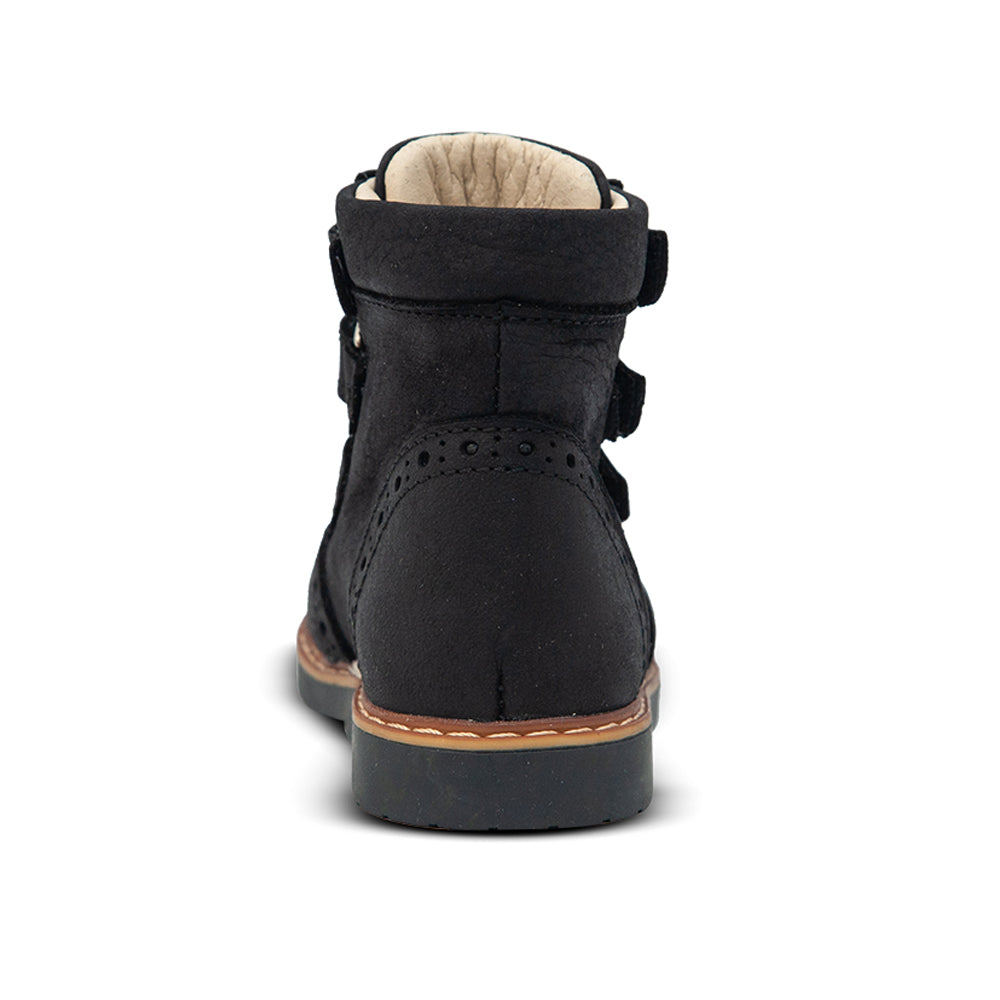
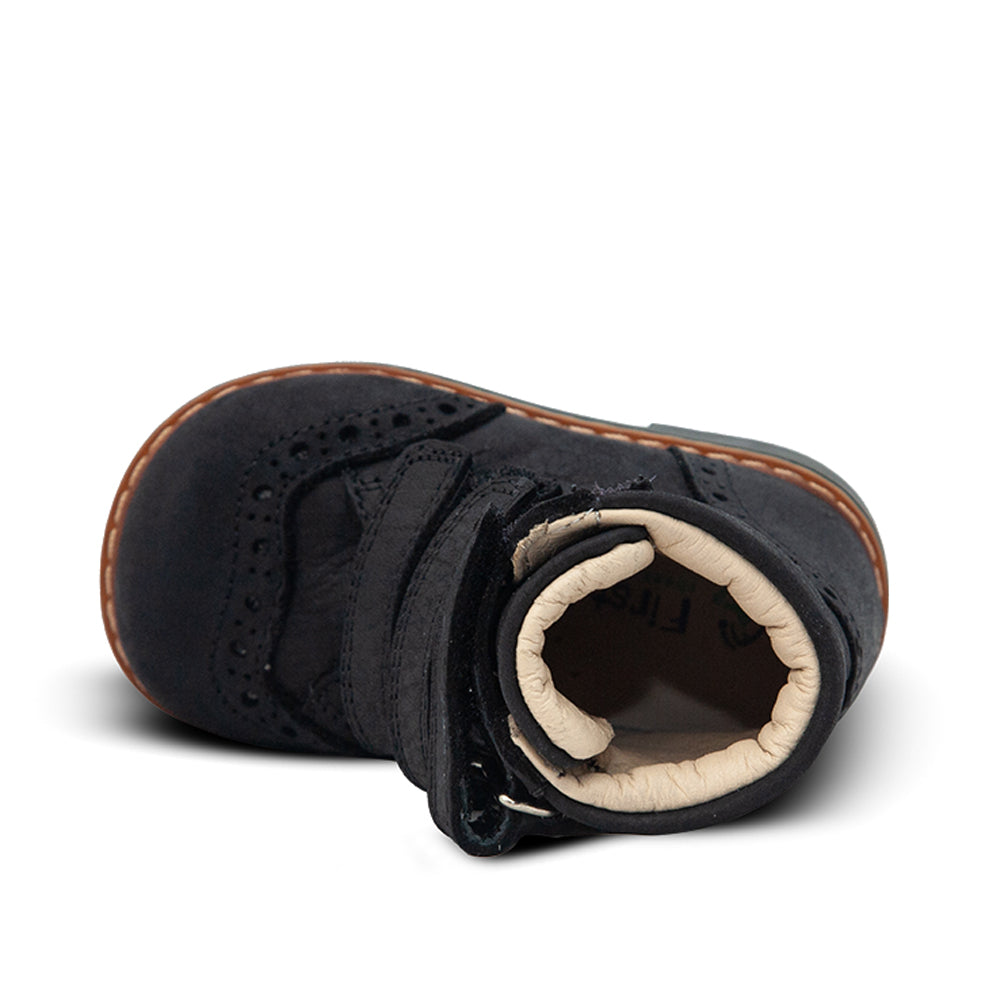
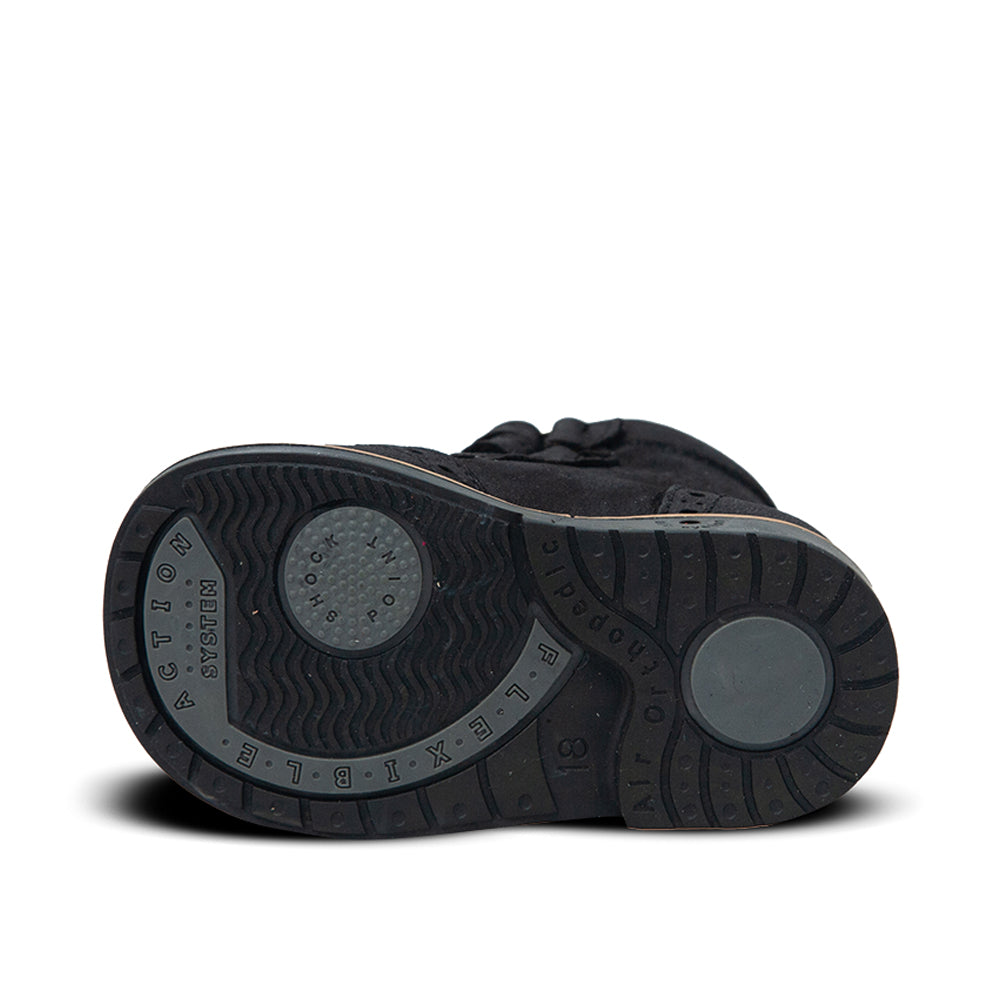
Dacota Trinket Boots
Warm, wind-resistant, and built to last through every cold-season school run.
Type
High-top boots
Material
Leather
Sizes
18–30 (EU) | 2–11.5 (UK)
Winter benefits and features
- Three adjustable Velcro straps
- Extended ankle support
- Removable insole for custom orthotics
- Anti-bacterial insoles
- Shock-absorbent thermoplastic outsoles
- High built-in arch support
- Air valves for moisture reduction
- Thomas heel
Why they're a top choice
The Dacota Trinket is the dependable everyday winter boot for flat-footed toddlers and children using orthotics. A very firm heel cup keeps the rearfoot correctly positioned, while the Thomas heel curbs inward rolling and eases joint pressure through long days of wear.
The three adjustable straps open wide enough to fit a thick thermal sock without cramping the toes, and the removable insole drops out so prescribed orthotics fit easily. Air valves vent heavy toddler perspiration, keeping feet dry and warm from the school run through to the end of the day.
3
Rocky Rick Boots
Tough, supportive, and cool enough that boys actually want to wear them.
Type
High-top boots
Material
Leather + Nubuck leather
Sizes
18–30 (EU) | 2–11.5 (UK)
Winter benefits and features
- Extended ankle support
- Removable insole
- Anti-bacterial insoles
- Shock-absorbent thermoplastic outsoles
- High built-in arch support
- Air valves for moisture reduction
- Thomas heel
Why they're a top choice
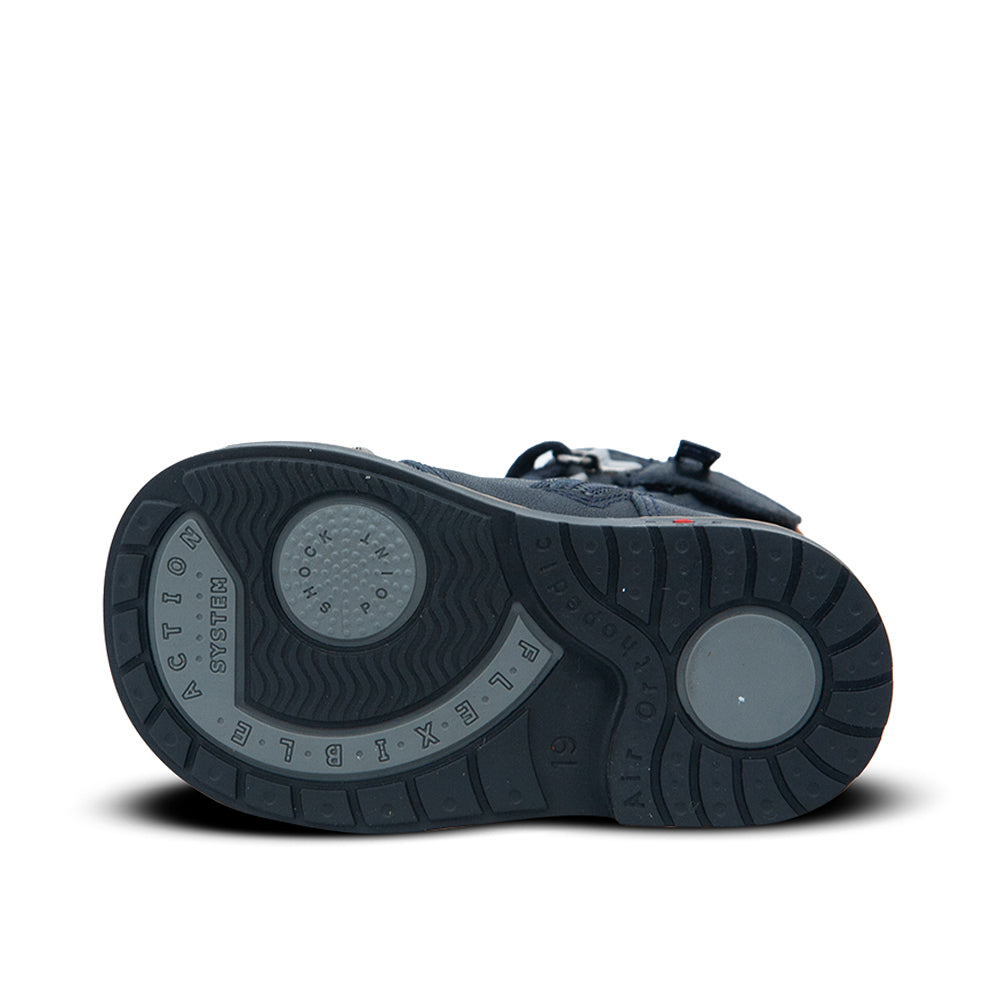
The Rocky Rick is built for the boy who climbs, kicks through slush, and rarely stands still. The high-cut shaft, extended ankle support, and Thomas heel work together to keep a flat foot tracking straight through active play, while the dense leather-and-nubuck upper forms a thick, wind-resistant barrier against cold drafts.
The removable insole lifts out completely to air and dry overnight, keeping the boot fresh for the next day.
4
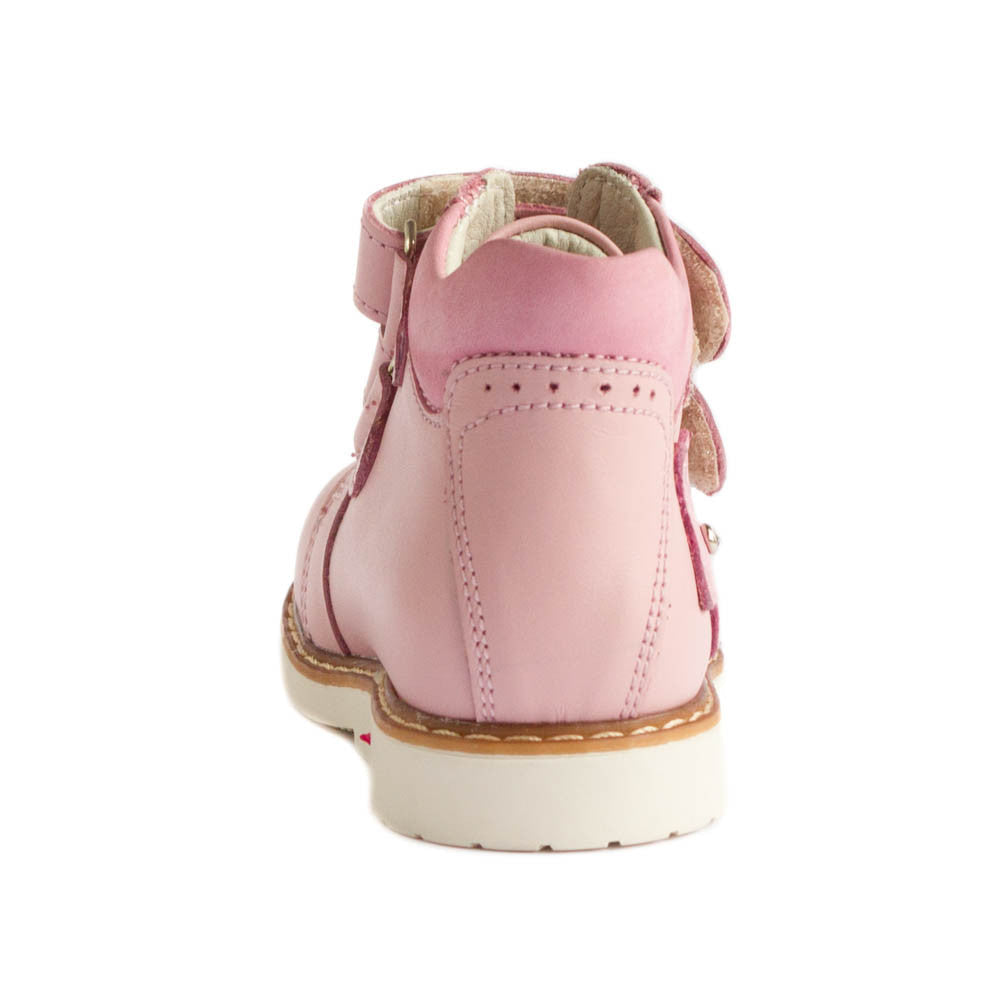
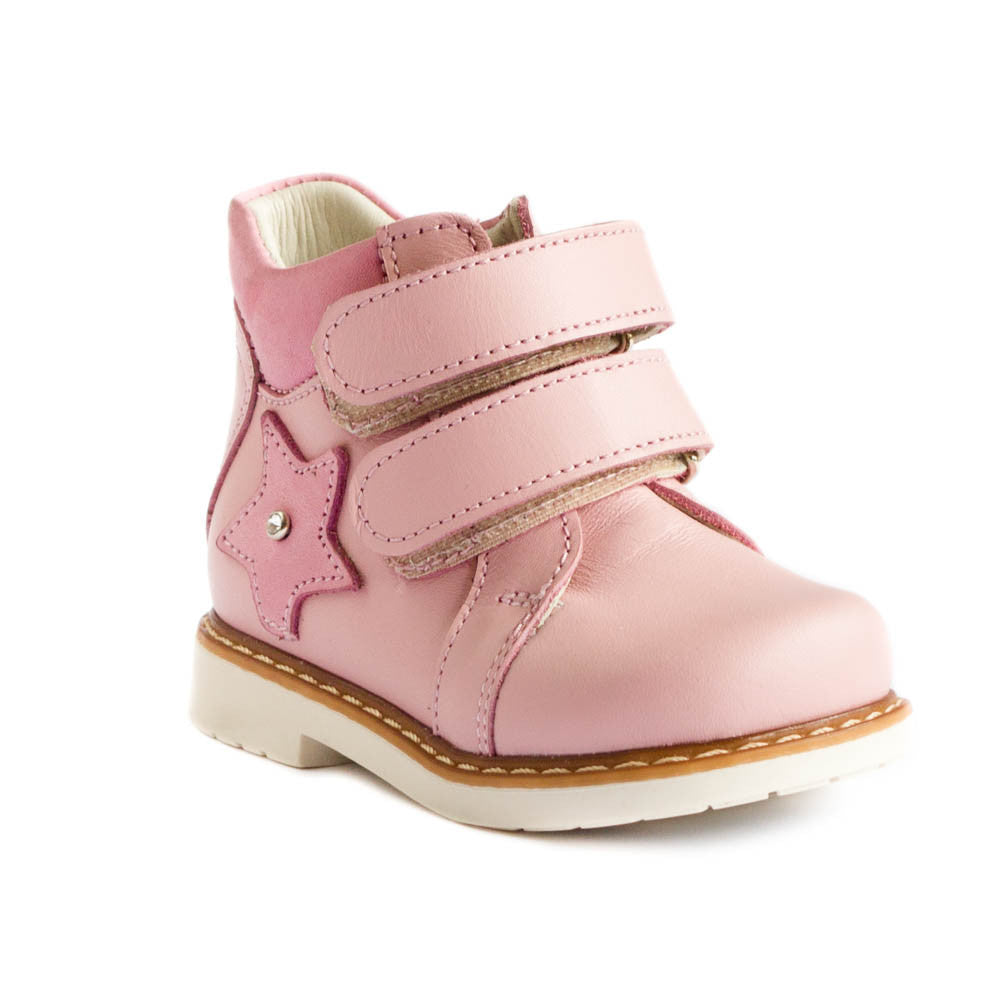
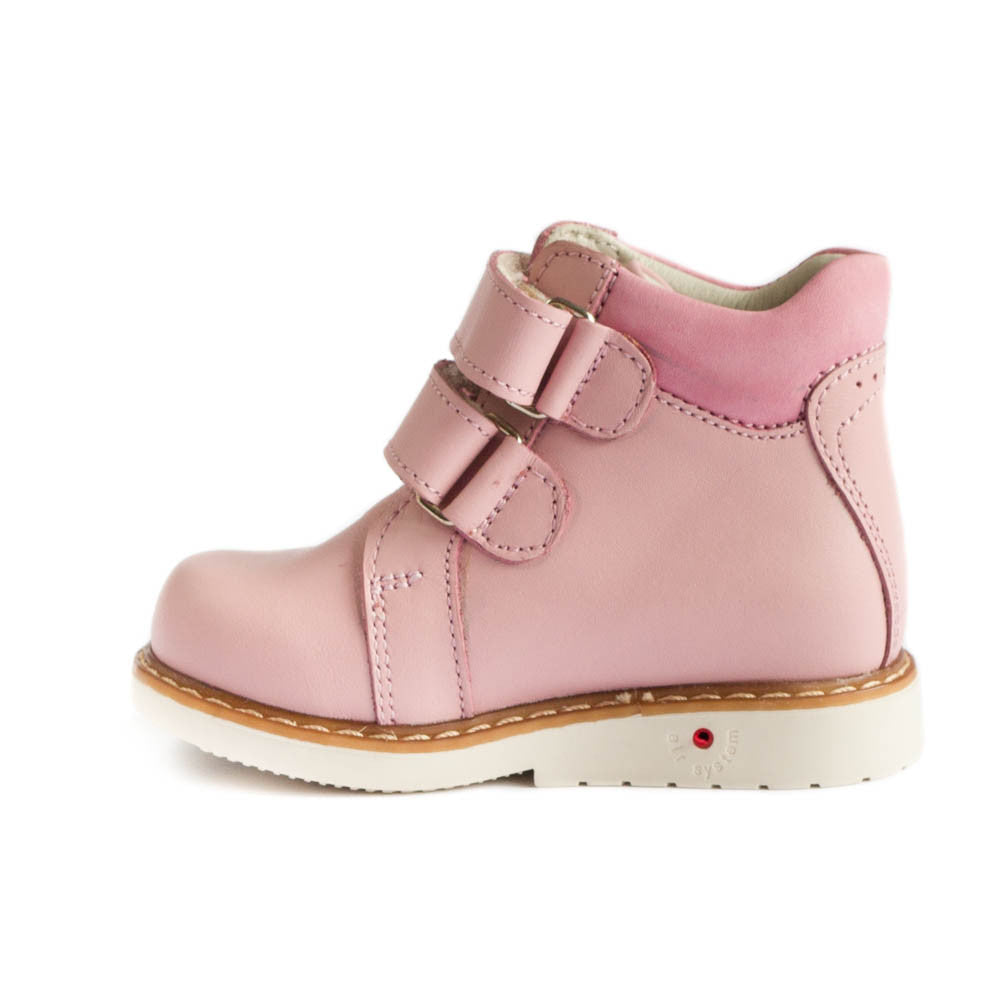
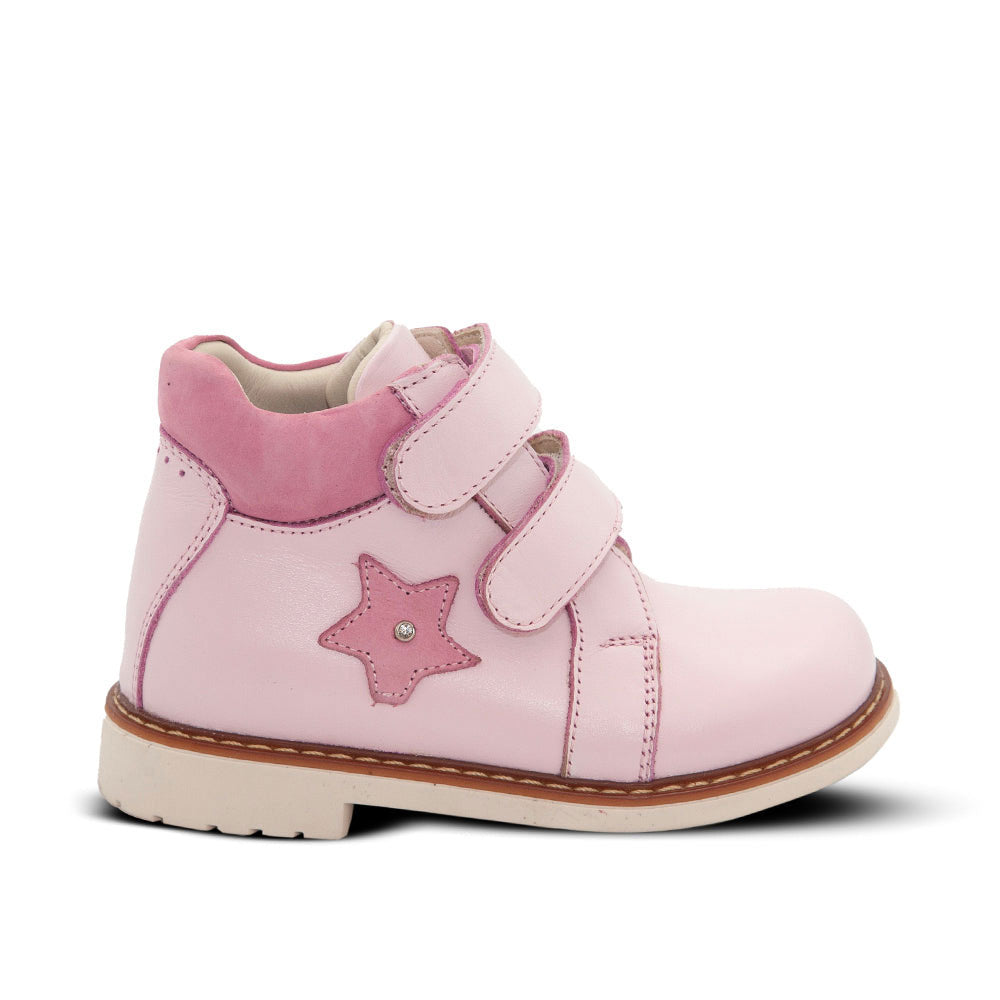
Petit Coralie Boots
Light, supportive, and easy to fasten on even the most squirmy little feet.
Type
High-top boots
Material
Leather
Sizes
18–30 (EU) | 2–11.5 (UK)
Winter benefits and features
- Two adjustable Velcro straps
- Extended ankle support
- Anti-bacterial insoles
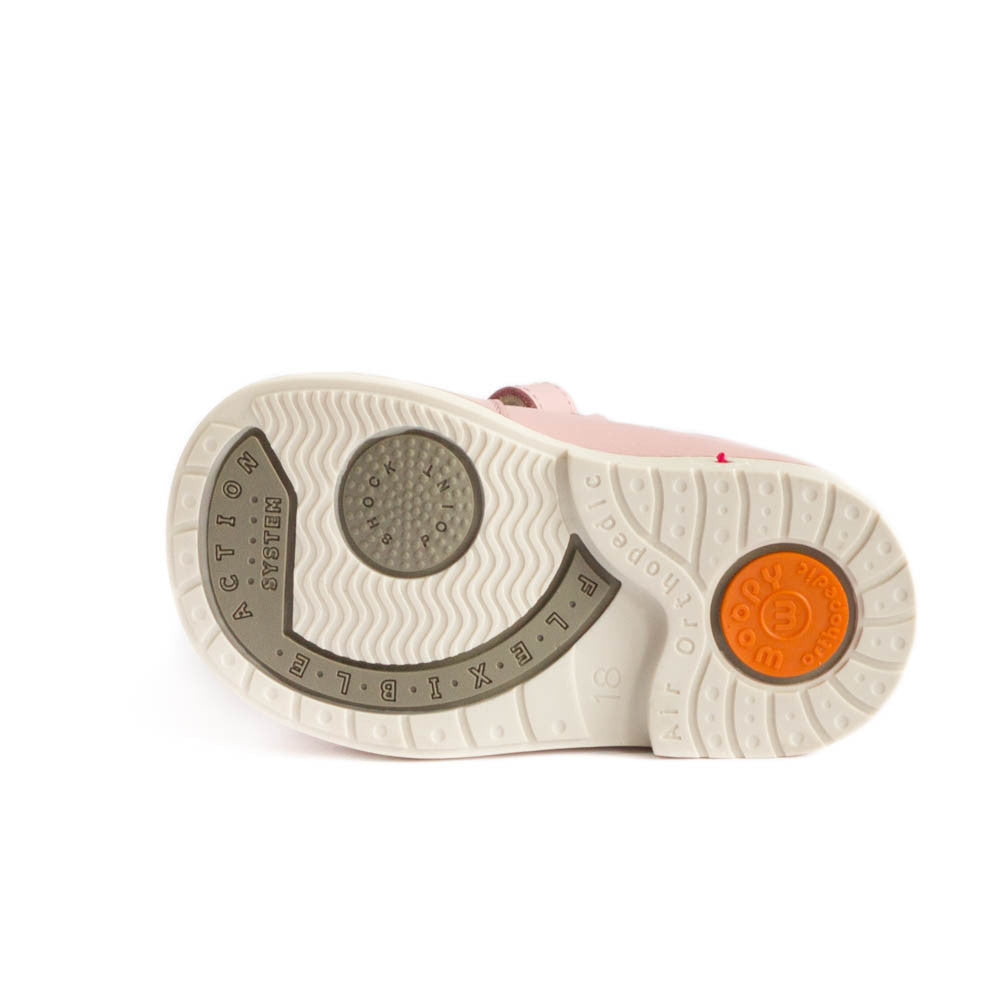
- Shock-absorbent thermoplastic outsoles
- High built-in arch support
- Air valves for moisture reduction
- Thomas heel
Why they're a top choice
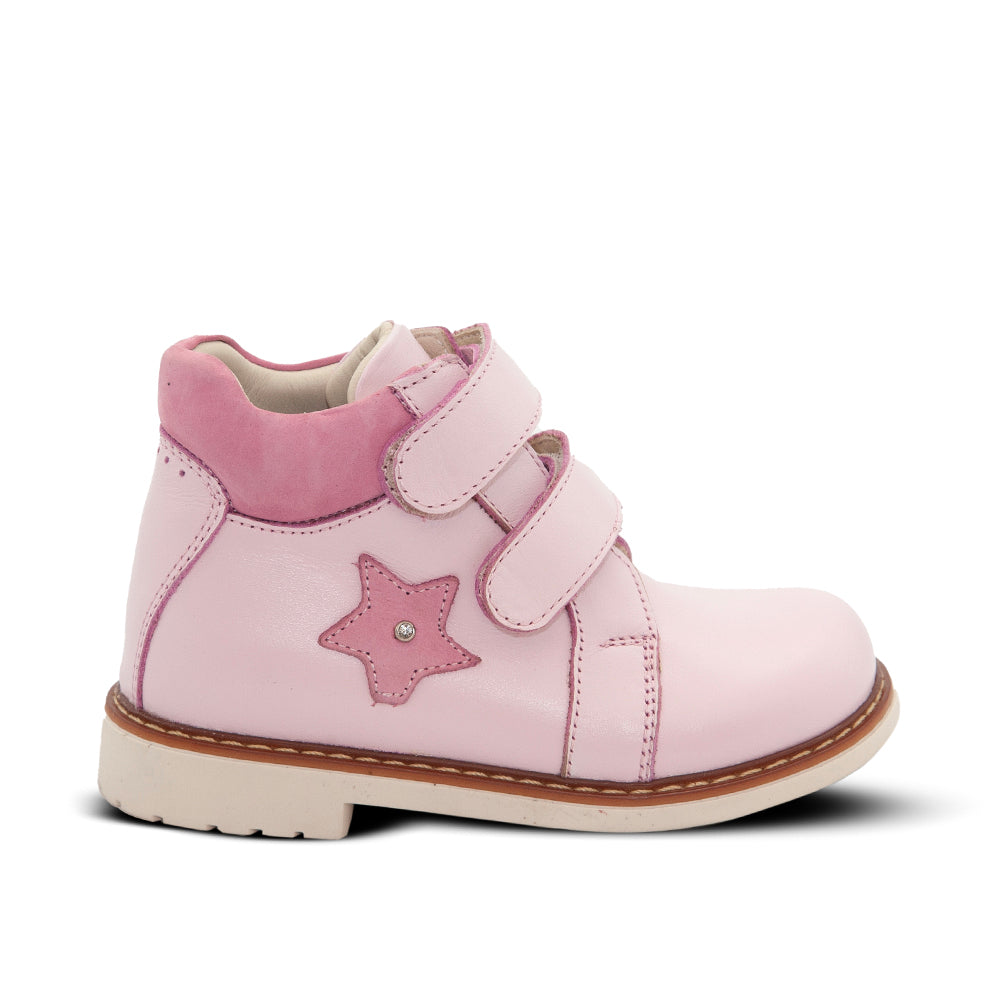
The Petit Coralie is the first supportive winter boot for babies and toddlers just finding their feet. Extended ankle support and a Thomas heel steady the wobbly, inward-rolling foot typical of early walking, while the lower cut keeps the boot light enough not to override a still-developing gait.
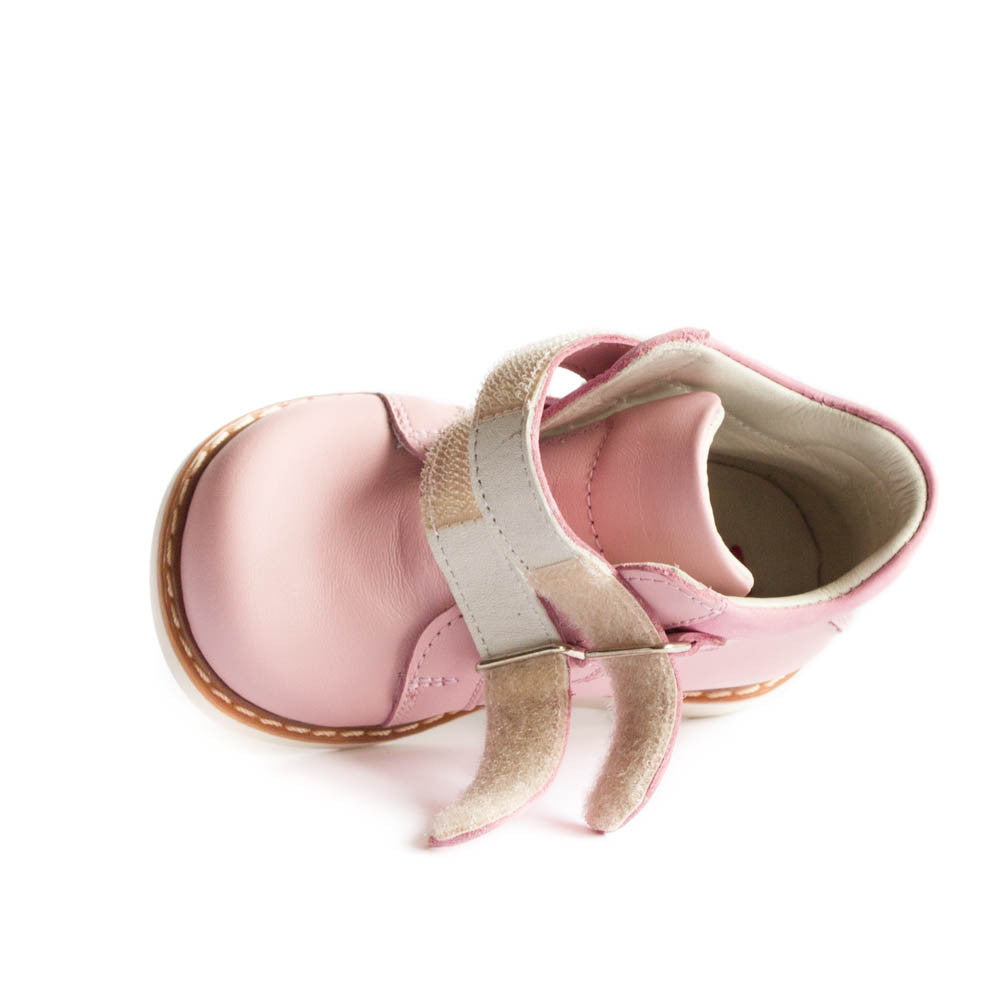
Two Velcro straps secure it in seconds on a squirming foot, and the closed leather wraps the foot snugly to close cold gaps. The soft pink finish looks like a proper little-girl boot rather than corrective footwear, which means children happily keep it on.
5
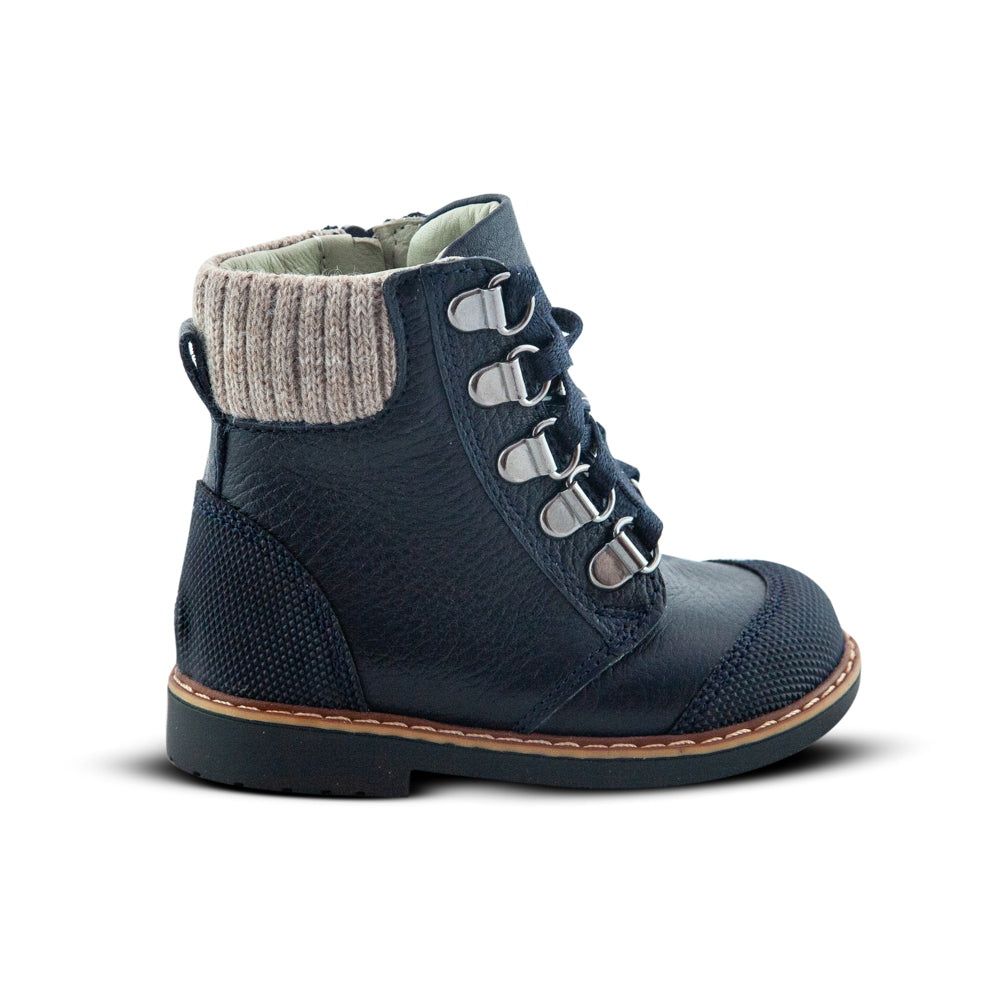
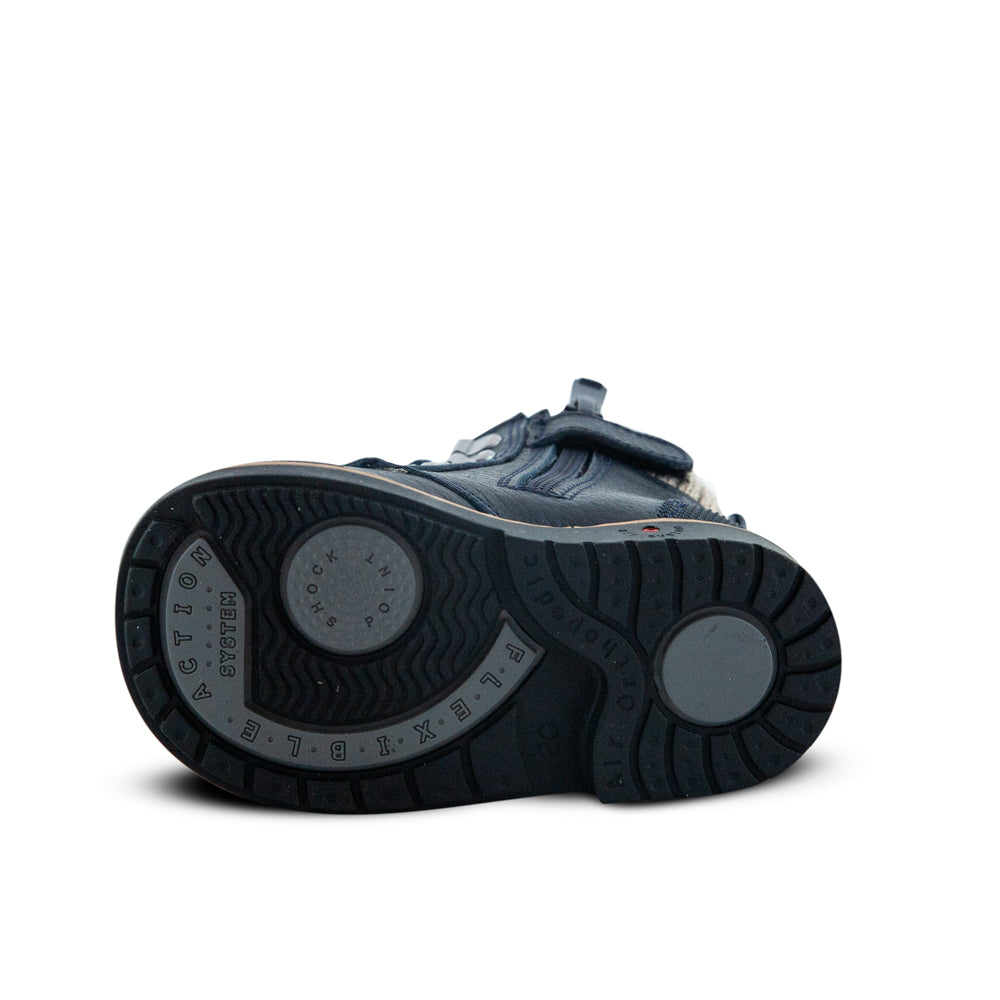
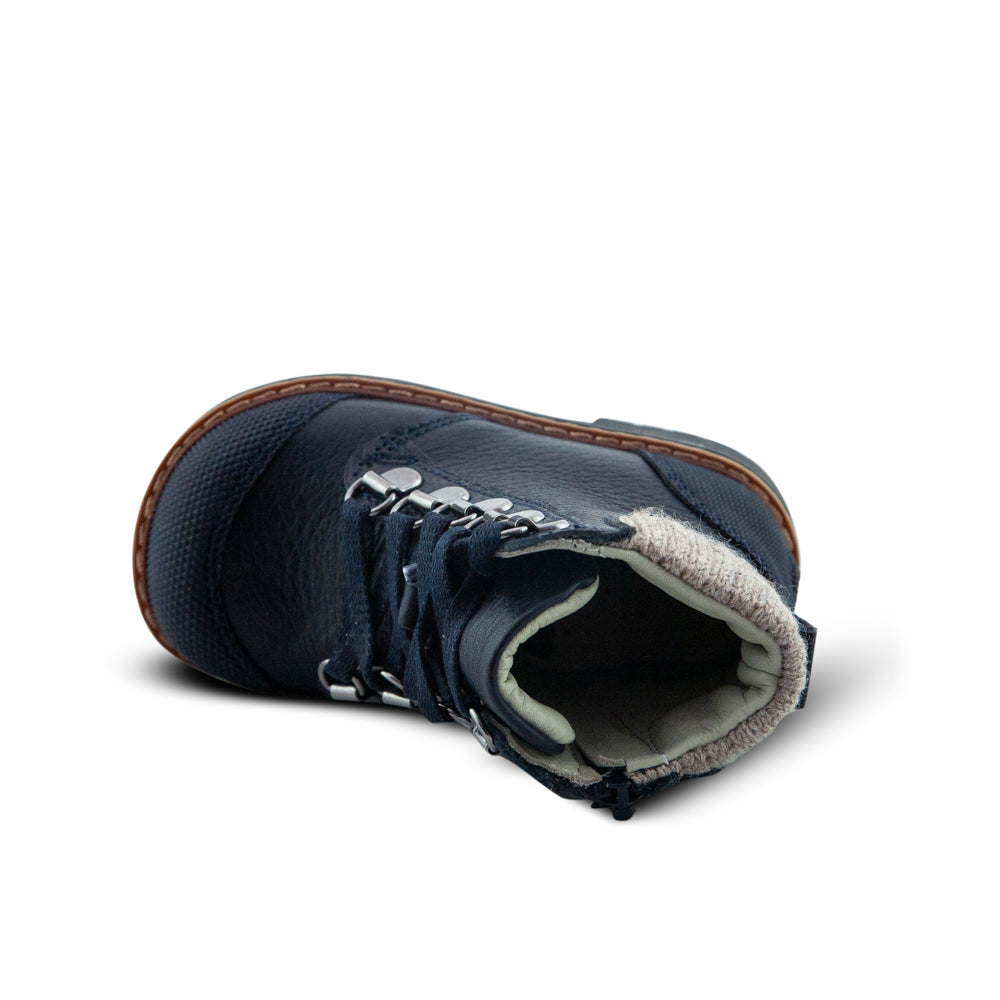
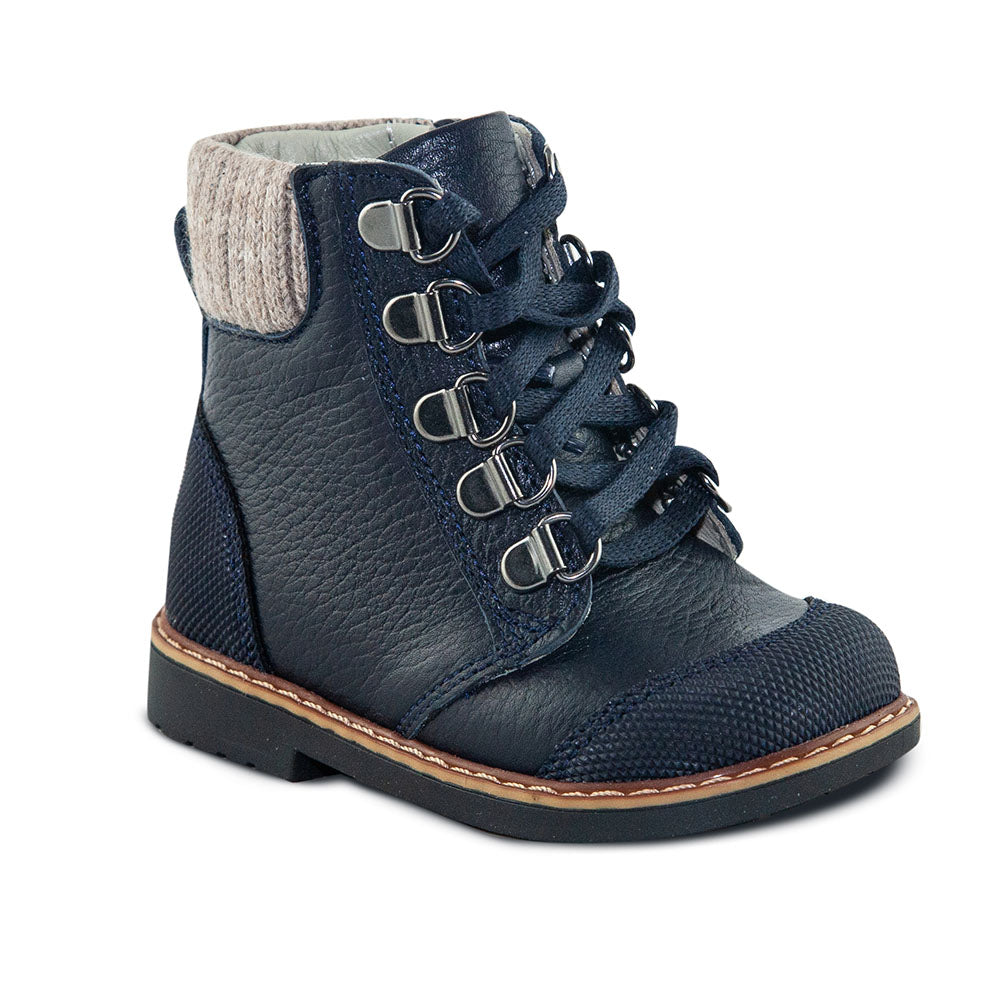
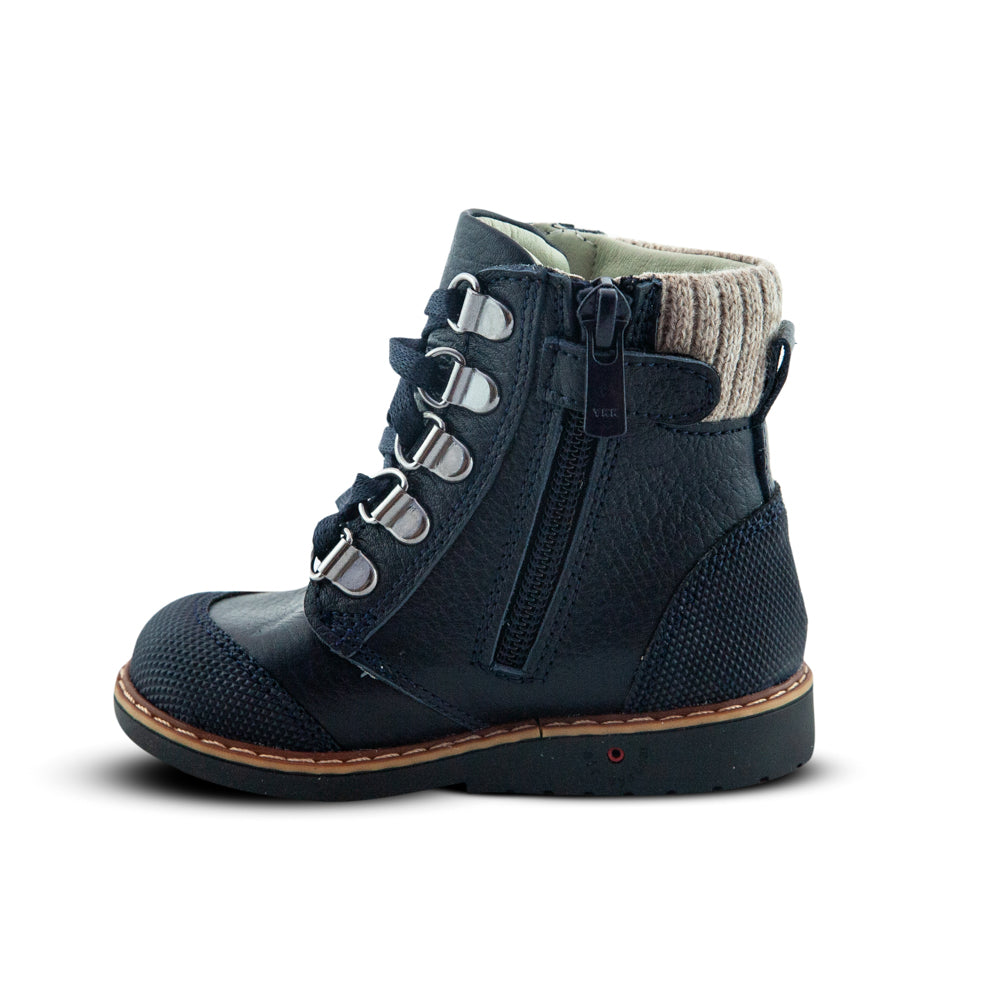
Supreme Josh Boots
Supportive enough for flat feet, flexible enough for kids who hate feeling held back.
Type
High-top boots
Material
Leather
Sizes
18–30 (EU) | 2–11.5 (UK)
Winter benefits and features
- Lace closure with side zipper
- Soft knitted ankle cuff
- Extended tongue
- Toe-cap reinforcement
- Anti-bacterial insoles
- Shock-absorbent thermoplastic outsoles
- High built-in arch support
- Thomas heel
Why they're a top choice
The Supreme Josh is built for the flat-footed active child who resists stiff, restrictive shoes. The Thomas heel steadies the medial column while the soft knitted ankle cuff hugs the joint closely without the hard edge of a rigid collar, giving comfortable support a sensitive child will actually tolerate all day.
The built-to-move construction lets the foot bend and push off naturally, and the extended tongue pads the instep so laces never bite across long, active days. The toe-cap reinforcement keeps the boot looking presentable through constant scuffing.
6
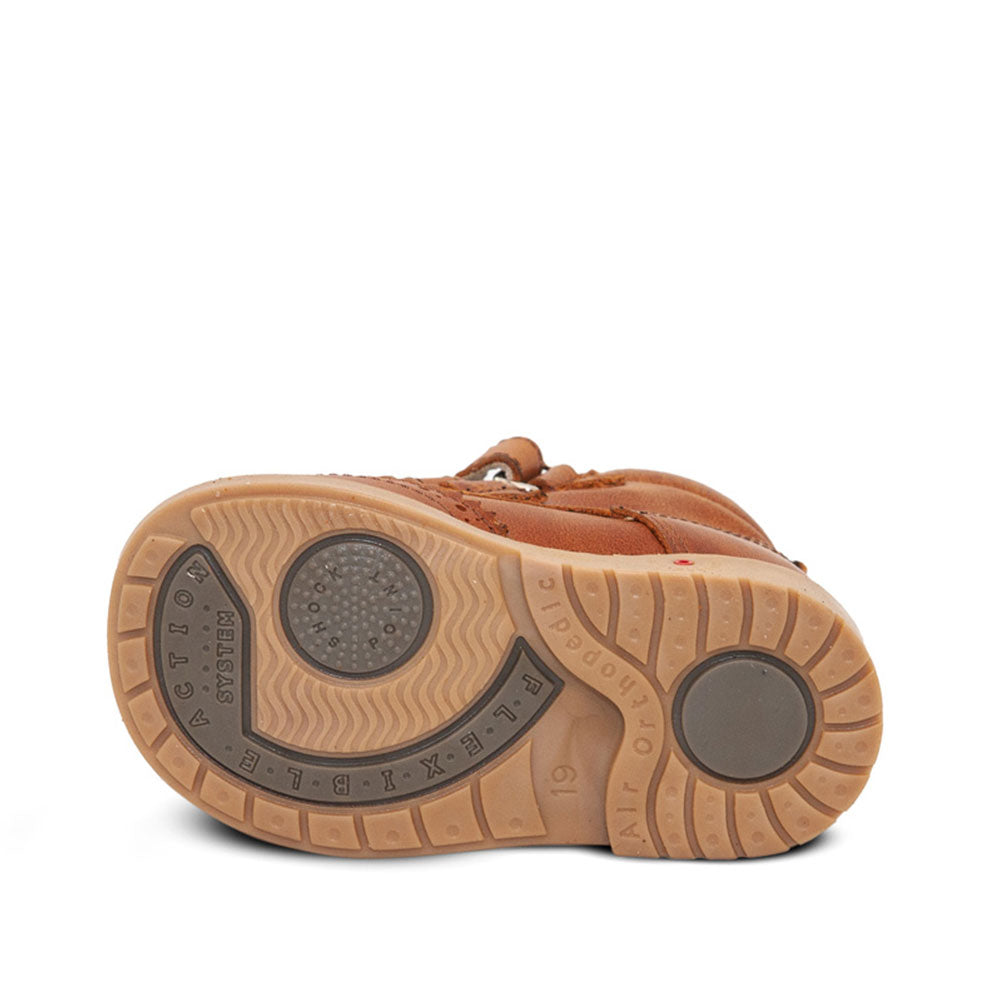
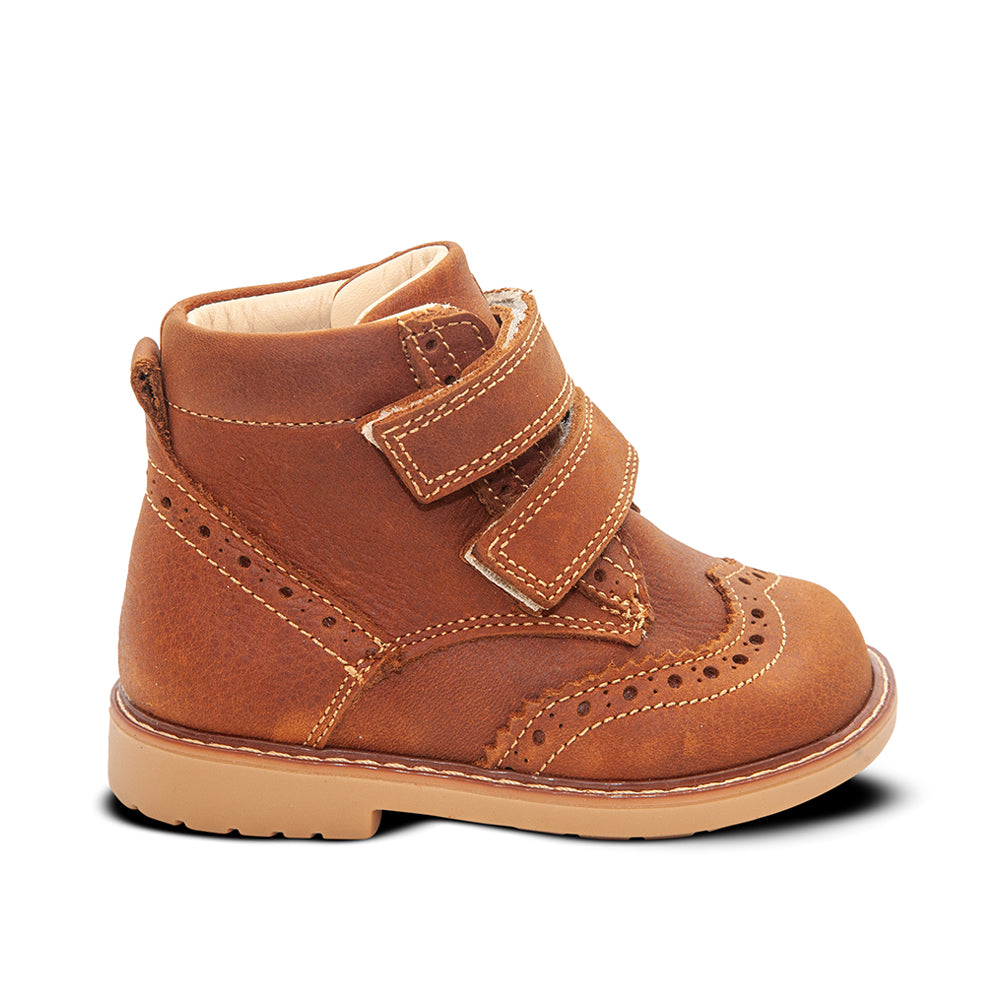
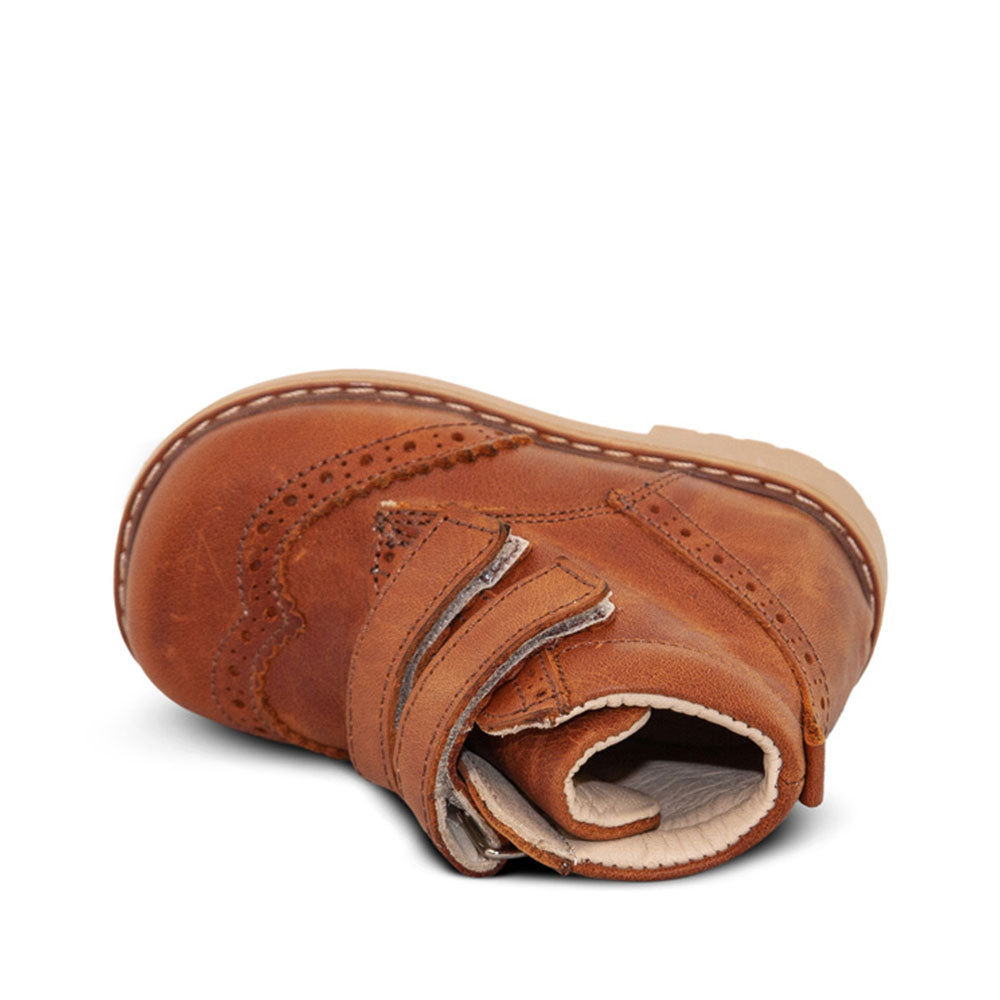
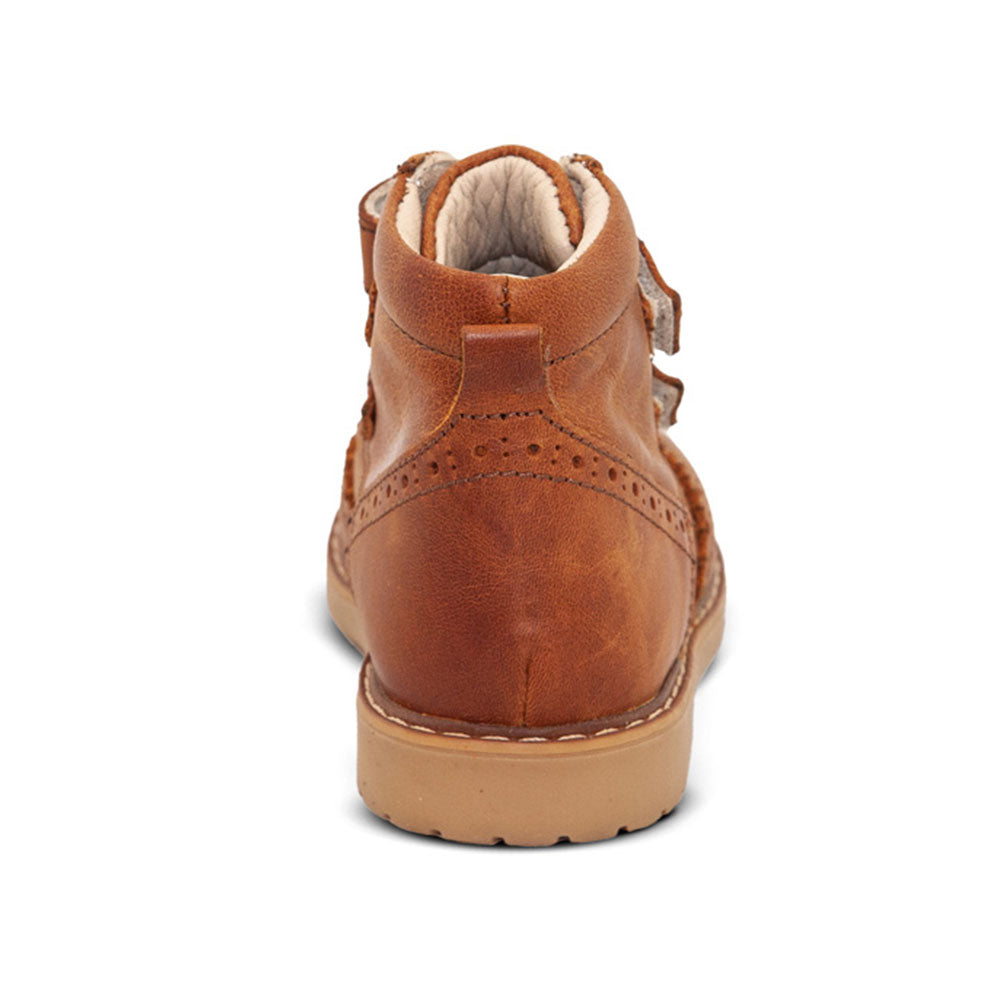
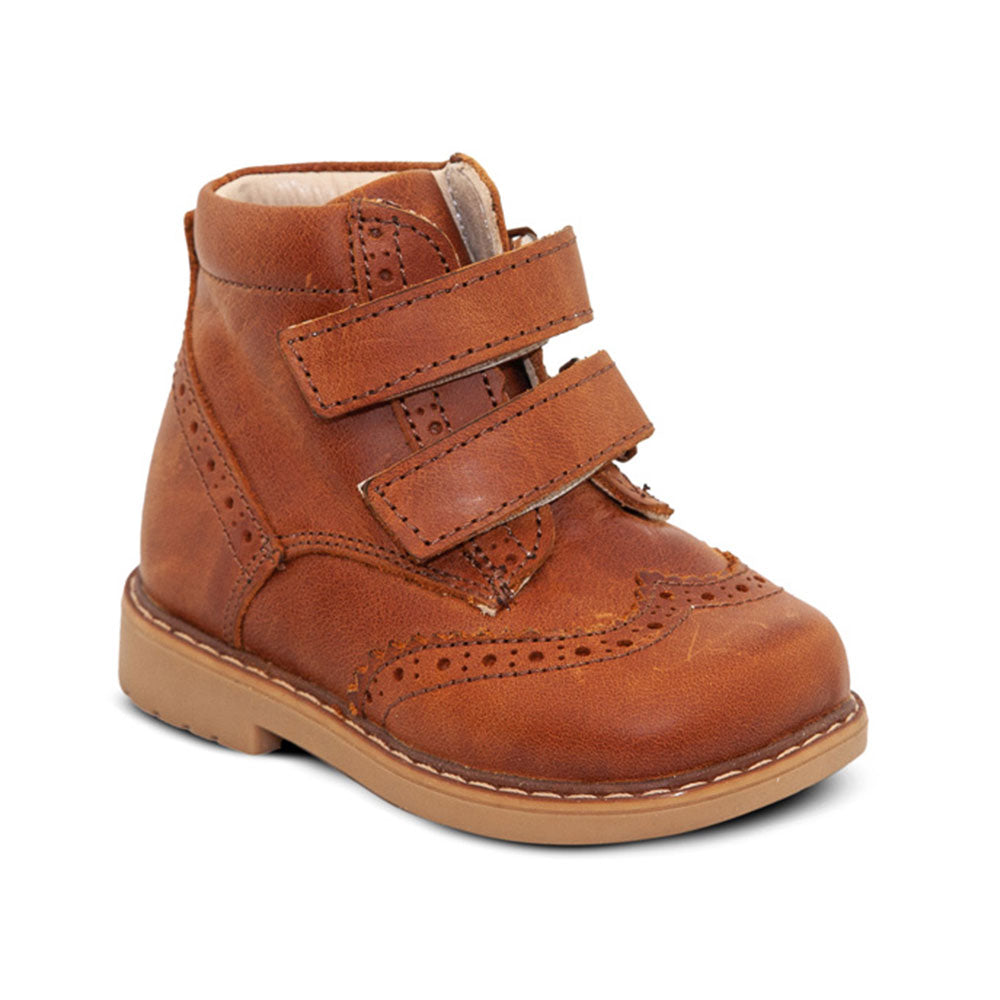
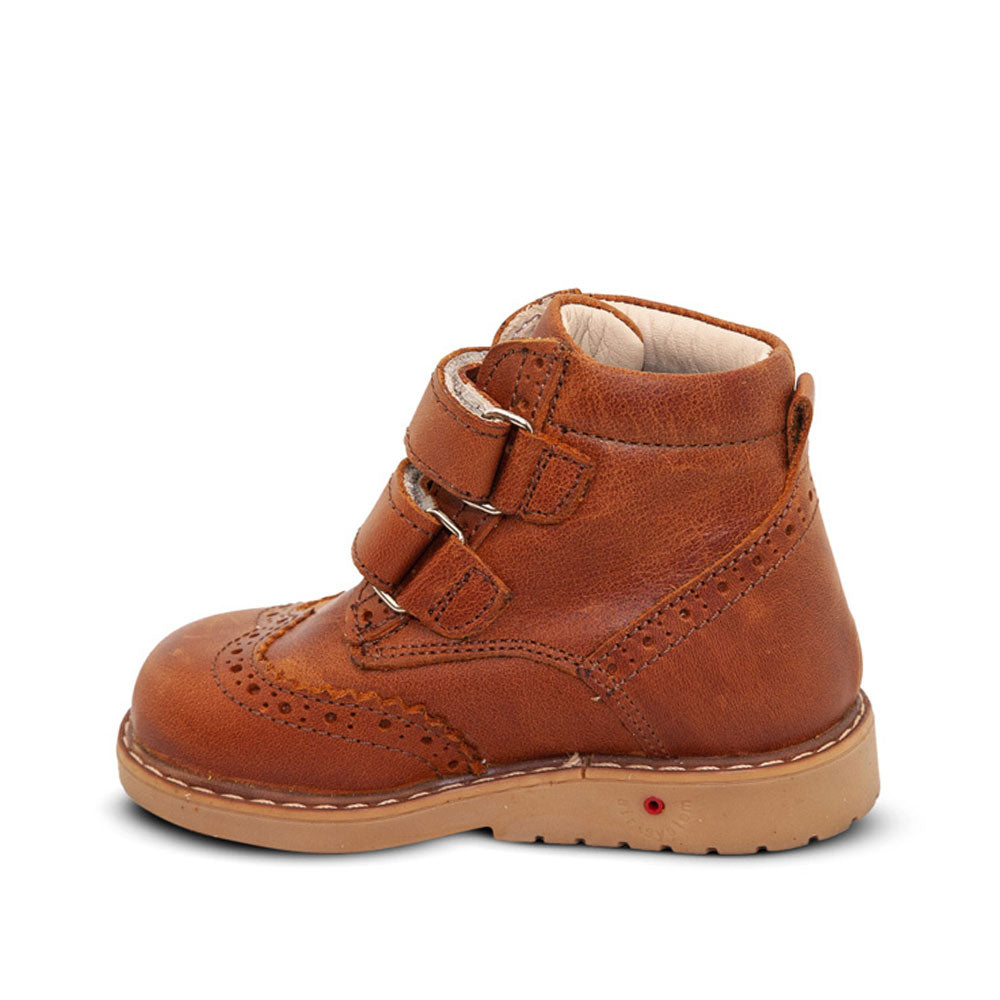
Louis Grim High-Top Boots
Soft, warm, and stylish enough that nobody realises it's orthopaedic.
Type
High-top boots
Material
Calfskin leather
Sizes
18–30 (EU) | 2–11.5 (UK)
Winter benefits and features
- Two adjustable Velcro straps
- Extended ankle support
- Anti-bacterial insoles
- Shock-absorbent thermoplastic outsoles
- High built-in arch support
- Air valves for moisture reduction
- Thomas heel
Why they're a top choice
The Louis Grim is the winter boot for children who need all-day orthopaedic support without the discomfort that cuts tolerance short. The supple calfskin upper flexes with the foot and resists the rubbing and pressure points that make most supportive boots unbearable after a few hours, while the dense grain blocks wind and sheds light moisture.
Two Velcro straps adjust to different foot widths throughout the day, and the removable insole accommodates custom orthotics. The rich walnut vintage styling looks like a trendy fashion boot, with reviewers noting that people stop to compliment them without ever realising they are orthopaedic.
The Best Orthopedic Winter Boots for Kids Start Here
Cold weather shouldn't mean choosing between warmth and foot health. Every boot in this list keeps little feet warm and dry while supporting the natural development that cheap, rigid, or poorly fitted winter boots can quietly undermine.
Whether you need a tough everyday boot for a flat-footed toddler, a stylish option, or a flexible boot for an active child who hates feeling restricted, First Walkers has a winter boot built for it.
References
1. Falk, B., & Dotan, R. (2008). Children’s thermoregulation during exercise in the heat — a revisit. Applied Physiology Nutrition and Metabolism, 33(2), 420–427. https://doi.org/10.1139/h07-185
FAQs
What are the best winter boots for toddlers?
The best winter boots for toddlers combine a firm heel counter, flexible sole, wide toe box, and waterproof leather upper. First Walkers' Dacota Trinket and Petit Coralie are excellent starting points.
Do kids need orthopedic winter boots?
Not every child needs orthopaedic features, but all children benefit from boots with proper heel support, a flexible sole, and a secure fit. Children with flat feet, overpronation, or ankle instability benefit most.
How do I know if my child's winter boots fit correctly?
Fit the sock your child will wear. Use the removable insole test and check for a thumb's width at the longest toe. The heel should not slip when walking.
Are kids waterproof winter boots important?
Yes. Wet feet lose heat much faster than dry ones, making waterproofing one of the most important features in kids' winter boots, not just a comfort bonus.
How often should I replace my child's winter boots?
Check the fit every eight to twelve weeks for children under three. Replace when less than half a thumb's width remains at the toe, when the tread wears smooth, or when the heel counter collapses.
Can kids wear orthopedic winter boots with custom orthotics?
Yes. Boots like the Dacota Trinket and Pearly Sheila have removable insoles specifically to accommodate custom orthotics or AFOs.